-
by sayum
10 August 2026 1:57 PM







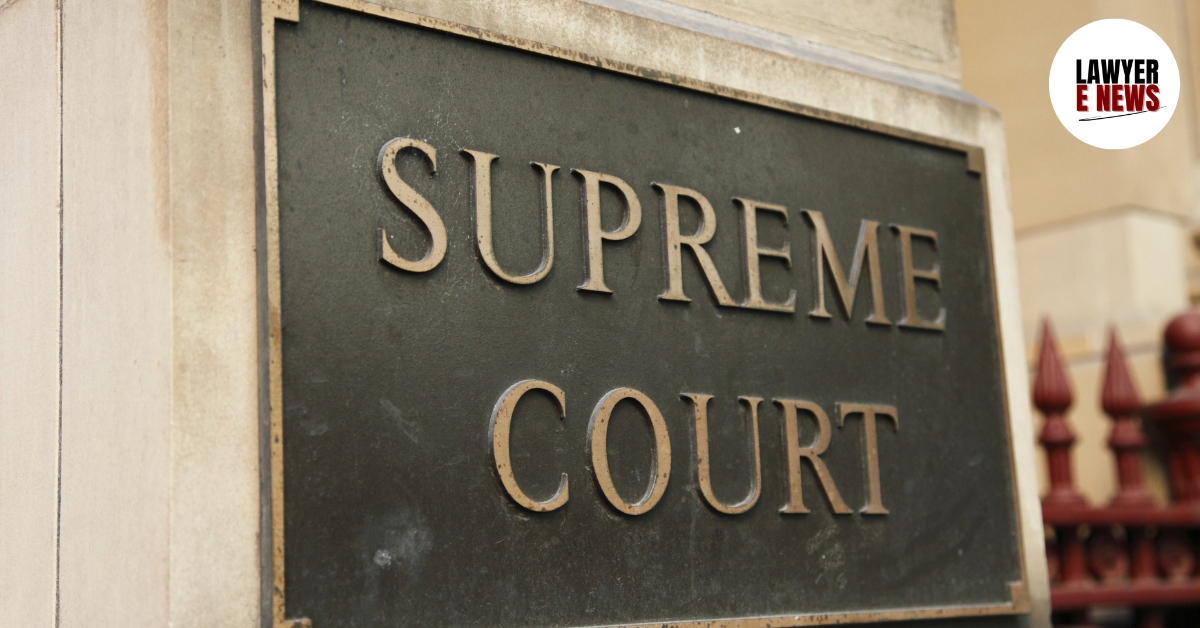
"Waqf is not an essential religious practice... It’s just a form of charity" — SG Tushar Mehta Argues Amid Allegations of Legislative Overreach - In a marathon three-hour hearing, the Supreme Court of India today heard detailed submissions by the Union Government defending the Waqf (Amendment) Act, 2025 against multiple constitutional challenges. The hearing was conducted by a bench led by Chief Justice BR Gavai and Justice AG Masih, who pressed the Centre to clarify the impact of the Act on waqf lands, religious freedoms, and property rights.
At the heart of the controversy is Section 3C, which allows a designated officer to conduct an inquiry to determine if a property claimed as waqf encroaches on government land. Until the inquiry concludes, the waqf status is put on hold.
"It’s Only a Paper Entry — Possession Cannot Be Taken Without Judicial Orders": Centre Denies Takeover Allegations
Solicitor General Tushar Mehta argued that Section 3C does not empower the government to seize waqf land, but merely allows for a correction in revenue records, which can be contested before tribunals or courts.
“The only consequence is revenue records will be corrected. Title determination will still rest with the courts,” Mehta stated, dismissing claims of a “wholesale takeover of waqf property” as “false and misleading.”
When CJI Gavai asked whether the government could take possession without judicial approval, Mehta replied:
“Possession cannot be taken by invoking Section 3C. The government must approach the court for title. It’s only a temporary suspension of waqf status in the revenue books.”
The Solicitor General also drew a sharp line between legal process and perception, warning against a “deliberately misunderstood narrative” that the amendment empowers unilateral land grabs.
“Waqf-by-User is a Statutory Fiction, Not a Constitutional Right”
One of the key amendments under challenge is the abolition of the ‘waqf-by-user’ doctrine, which allowed informal usage of land over time to create waqfs. Mehta declared that:
“Waqf-by-user is a statutory recognition, not a fundamental right. The Parliament is well within its powers to take it away. You cannot legalise what has remained undocumented for a century.”
He emphasized that only registered waqfs will be protected, and pointed out that registration has been a requirement since the 1923 Act.
“Now, a false narrative is being created that waqfs are being snatched. This is nothing but misleading the country,” Mehta said.
“Waqf is Not an Essential Part of Islam” – SG Asserts Religious Neutrality of Reforms
In a significant constitutional stance, the Centre argued that waqf is not protected under Articles 25 or 26 as an essential religious practice.
“Waqf is an Islamic concept, but not essential to the religion. It is simply a form of charity. Charity exists in all religions,” the SG stated.
To reinforce the argument, Mehta cited Dr. B.R. Ambedkar’s views and the John Vallamattom case, underlining the Court’s test of essential religious practice as being indispensable to faith.
“If a majority of Muslims are unable to afford waqfs, would they cease to be Muslims?” he asked rhetorically.
“Waqf Boards Are Administrative Bodies, Not Religious Institutions” – Justifying Non-Muslim Inclusion
Countering criticism of the inclusion of non-Muslim members in Waqf Boards, Mehta maintained:
“The Waqf Boards perform secular duties — managing properties, maintaining registers, auditing accounts. The law allows non-Muslim participation because waqf properties can benefit or impact non-Muslims too.”
“The Boards are not involved in religious functions. Hindu endowments in many states are run by secular Commissioners — and no one objects.”
He cited that in Maharashtra and Gujarat, Charity Commissioners of any religion govern Hindu or Jain trusts as per state laws, drawing a parallel to waqf governance.
“Comparison with Hindu Religious Boards is Flawed” – SG Rebuts Petitioners’ Allegations of Discriminatory Framework
In a direct response to senior advocates from the petitioners’ side, Mehta said:
“Comparing waqf reforms with Hindu endowments is constitutionally flawed. When Hindu Code Bills removed personal rights, Muslims raised no objections because they were governed by the Shariat Act.”
He also referred to the Supreme Court’s decision in Pannalal Bansilal Pitti, which rejected such inter-religious comparisons in legislative design.
Provisions on Scheduled Tribes and Protected Monuments Justified
On Section 3D (barring waqf claims on ASI-protected monuments), Mehta asserted that the amendment was introduced after concerns raised by the Archaeological Survey of India.
On Section 3E, which bars creation of waqfs in scheduled tribal areas, Mehta said:
“It’s not even being challenged by any tribal person. The Constitution mandates protection of these regions — this is not discrimination, it’s affirmative preservation.”
Petitioners Allege “Non-Judicial Capture of Waqf Properties”
In arguments made yesterday, Kapil Sibal, Dr. Abhishek Manu Singhvi, Dr. Rajeev Dhavan, CU Singh, Huzefa Ahmadi, and Nizam Pasha led the charge against the amendment.
Sibal had warned: “The amendment allows waqfs to be captured through a non-judicial process — a mere administrative enquiry can destabilize centuries-old properties.”
He and others also opposed the new registration mandates, arguing that non-registration had never altered the nature of waqf — until now.
Dhavan highlighted that Muslim trusts could now be excluded from Waqf protection under new clauses, while Ahmadi flagged the deletion of safeguards relating to evacuee property.
The Supreme Court had earlier proposed interim directions, such as:
The Court has taken on record the Centre’s assurance that existing waqf lands will not be disturbed, and no fresh non-Muslim appointments will be made to the Boards for now.
Hearing to Continue
The matter is set to continue tomorrow. The Court has reserved directions on interim reliefs. The constitutional validity of several contentious provisions — including abolition of waqf-by-user, restrictions on women members, and property control mechanisms — hangs in balance.
Date of Hearing: May 21, 2025
Case Title: In Re: The Waqf (Amendment) Act, 2025
Lead Case: W.P.(C) No. 276/2025
Bench: Chief Justice BR Gavai and Justice AG Masih
Key Counsel for Union: Solicitor General Tushar Mehta
Next Date of Hearing: May 22, 2025