-
by sayum
25 August 2026 12:32 PM







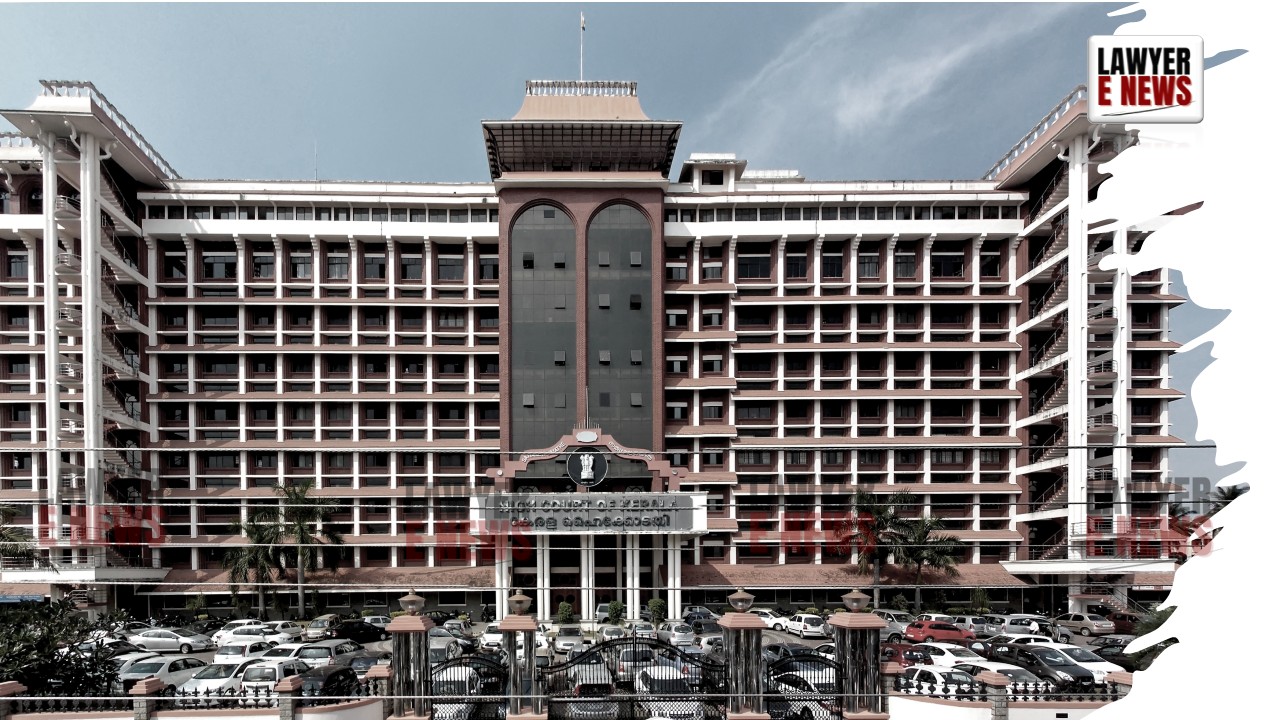
“Surety Cannot Escape Merely Because Principal Debtor Is Dead” – Liability of Guarantor Is Co-Extensive”, In a reportable judgment Kerala High Court firmly reiterated a foundational principle of contract law: a surety’s liability is co-extensive with that of the principal debtor.
A Division Bench comprising Justice Sushrut Arvind Dharmadhikari and Justice P. V. Balakrishnan dismissed a challenge under Article 227 of the Constitution to an order of the Central Administrative Tribunal that had permitted recovery of loan dues from the salaries of employees who had stood as guarantors for their deceased colleague.
The Court made it clear that the death of the principal debtor and the release of his terminal benefits to legal heirs do not extinguish the liability of the sureties.
“Creditor Can Recover from Either”: The Law Under Section 128
The petitioners, employees of BSNL, had stood as sureties for three loans availed by a colleague, Mr. Satheesh, from a Credit Co-operative Society. After default and Satheesh’s tragic death by suicide, the Society initiated recovery proceedings against the guarantors. Deductions were effected from their salaries.
Before the High Court, the petitioners argued that the Society ought to have recovered the outstanding amount from the terminal benefits of the deceased employee. They contended that the failure of the employer to deduct the dues from DCRG and other retiral benefits should not prejudice the sureties.
Rejecting this submission, the Court observed that once the petitioners had admittedly stood as guarantors, the creditor was legally entitled to proceed against them.
The Bench emphasized that under Section 128 of the Indian Contract Act, 1872, the liability of the surety is co-extensive with that of the principal debtor, unless otherwise agreed. In clear terms, the Court held that the creditor “is entitled to recover the amount due to it, either from the principal debtor or from the guarantors.”
There is no legal requirement that the creditor must first exhaust remedies against the estate of the principal debtor before proceeding against the surety.
“Terminal Benefits Paid to Legal Heirs Do Not Discharge Surety”
A central plank of the petitioners’ case was that the entire terminal benefits of the deceased had been released to his legal heirs without adjustment of the loan amount. According to them, this either amounted to negligence on the part of the employer or implied settlement between the creditor and principal debtor, thereby discharging the sureties.
The Court was categorical in rejecting this theory.
It observed that merely because the terminal benefits had been paid to the legal heirs, “it cannot be stated that the petitioners will be absolved from the liability.” The fact that the employer failed to deduct the loan amount from the retiral benefits does not operate as a statutory or contractual discharge of the guarantors.
The Bench further rejected the argument of “composition” between creditor and debtor. The principal debtor had already died, and there was no material to show that the debt itself had been lawfully discharged. On the contrary, the petitioners themselves relied on communications showing that the Society had requested deduction from terminal benefits based on an undertaking executed by the deceased.
In such circumstances, there was no question of the sureties being discharged.
“Remedy Lies Elsewhere”: Guarantors Cannot Seek Immunity from Recovery
Significantly, the Court observed that if the petitioners believed that the employer’s failure to recover the amount from terminal benefits had caused them prejudice, their remedy lay elsewhere. However, that could not serve as a defence against recovery by the creditor.
The legal obligation undertaken by the sureties remained intact.
“No Jurisdictional Error”: Article 227 Cannot Be Invoked to Reappreciate Correct Findings
Exercising its supervisory jurisdiction under Article 227, the High Court found no perversity or jurisdictional error in the Tribunal’s reasoning. The Central Administrative Tribunal had correctly applied settled principles of contract law.
The Division Bench therefore declined to interfere and dismissed the Original Petition.
A Clear Warning to Guarantors
This judgment reinforces a stern but settled proposition: standing as a surety is not a symbolic act. The liability is real, immediate, and enforceable. The creditor may choose to proceed directly against the guarantor without first exhausting remedies against the principal debtor or his estate.
The Kerala High Court’s decision serves as a reminder that “co-extensive liability” under Section 128 is not a technical expression but a substantive legal consequence.
Date of Decision: 13 February 2026