-
by sayum
12 August 2026 1:53 PM







"Temporary Appointments Do Not Confer a Right to Regularization" – Court Upholds Government’s Policy on Special Prosecutors
Introduction
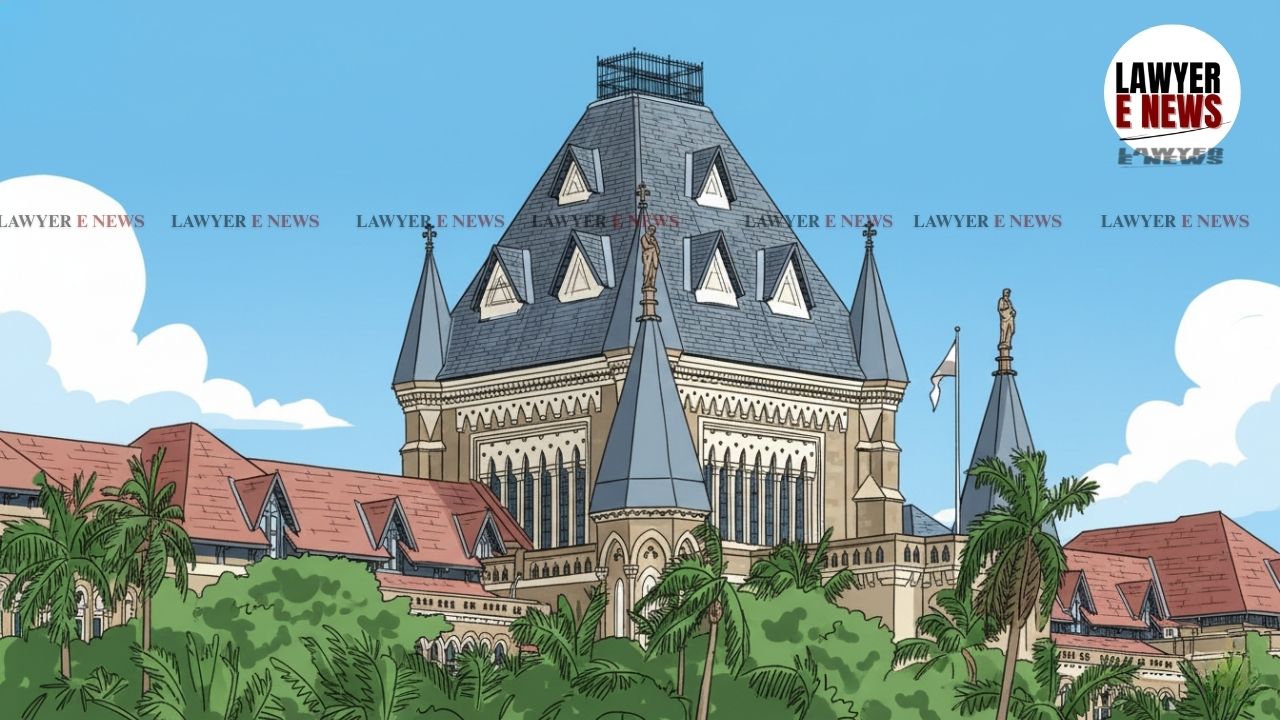
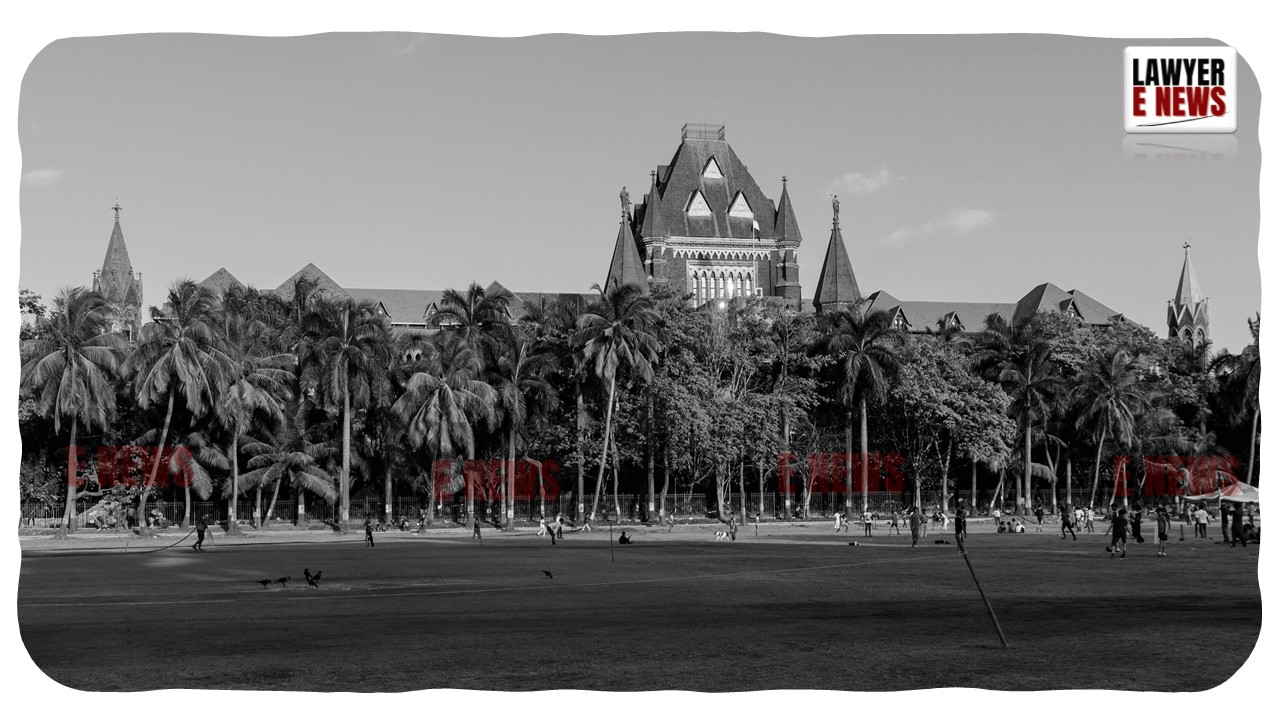
The Bombay High Court (Aurangabad Bench) has ruled that Special Assistant Public Prosecutors (Spl. APPs), appointed under Section 25(3) of the CrPC, are not entitled to regularization or the same service benefits as regular Assistant Public Prosecutors (APPs). The Court dismissed multiple writ petitions, including Writ Petition No. 3084 of 2016, wherein Spl. APPs claimed parity with regular APPs and sought full-time employment under the Maharashtra government.
Justice S. G. Mehare and Justice Shailesh P. Brahme, while delivering the judgment, stated that “appointments under Section 25(3) of CrPC are purely temporary and contingent on necessity, and thus, cannot be treated at par with regular APPs under Section 25(1).” The Court made it clear that "the method of selection, appointing authority, service conditions, and tenure of Special Assistant Public Prosecutors differ significantly from regular APPs, negating any claim for parity."
Background: Special Assistant Public Prosecutors Challenge Their Temporary Status
The petitioners, who were appointed as Special APPs under Section 25(3) of the CrPC, argued that they performed identical duties as regular APPs but were unfairly denied equal pay and benefits. They contended that their work was essential to the judicial process and that their appointments should be recognized as permanent.
The Maharashtra government opposed their plea, asserting that “appointments under Section 25(3) are contractual and temporary, made only when regular APPs are unavailable.” It argued that Spl. APPs “do not go through the rigorous selection process of regular APPs, are not appointed through the Maharashtra Public Service Commission (MPSC), and are not governed by the Maharashtra Civil Services Rules.”
The petitioners also challenged several government resolutions from 2013 to 2018, which sought to replace them with full-time APPs. They claimed that the government’s policy discriminated against them and violated the principle of “equal pay for equal work.”
High Court Rejects Claim for Regularization
The Court firmly rejected the petitioners' demand for regularization, ruling that “appointments of Special APPs are not made against sanctioned posts and do not follow the selection process mandated for regular government servants.” The Court clarified that “temporary employment, created out of necessity, does not generate a legal right to permanent appointment.”
Referring to Supreme Court precedents, the Court observed that “mere continuation of service for a long period does not entitle an employee to claim permanent status, particularly when their appointment itself was contractual and without adherence to the prescribed selection procedure.”
Equal Pay for Equal Work? Court Rules Against Parity with Regular APPs
The petitioners argued that since they handled the same cases and responsibilities as regular APPs, they should receive identical salaries and service benefits. The Court rejected this argument, stating that "the principle of equal pay for equal work does not apply where the mode of appointment, tenure, and conditions of service are fundamentally different."
The Court highlighted key differences between the two roles, noting that “regular APPs are appointed through a competitive selection process via MPSC, while Special APPs are appointed by the District Magistrate without a structured selection process.” It further observed that "regular APPs are full-time government employees under the Maharashtra Civil Services Rules, whereas Special APPs are engaged on a case-to-case basis and are allowed to continue private legal practice."
Referring to government resolutions that replaced Special APPs with regular prosecutors, the Court held that “the government has the right to frame policies for better administration of justice and appointment of prosecutors.” It upheld the legality of these resolutions and stated that “no vested right is created by temporary or contractual appointments.”
Final Judgment: No Legal Right to Regularization or Service Benefits
Dismissing the petitions, the Court upheld the Maharashtra government’s stance and ruled that “the demand for regularization of Special APPs is legally untenable.” It further held that “claims for equal pay and service benefits with regular APPs are unsustainable in law.” The Court concluded that “the petitioners’ engagements were always understood to be temporary and subject to availability of regular appointments. No legal right for regularization arises from such contractual employment.”
A Precedent Against Backdoor Regularization
The Bombay High Court’s judgment reaffirms that “temporary or contractual government appointments do not automatically create a right to permanent employment.” It sets a precedent against "backdoor regularization of temporary appointments" and upholds the state’s discretion in managing its prosecutorial workforce. The ruling ensures that Special APPs remain contingent appointments, governed by necessity rather than permanence, and cannot claim entitlement to regular government positions.
Date of Decision: 20 March 2025