-
by sayum
26 August 2026 5:53 AM







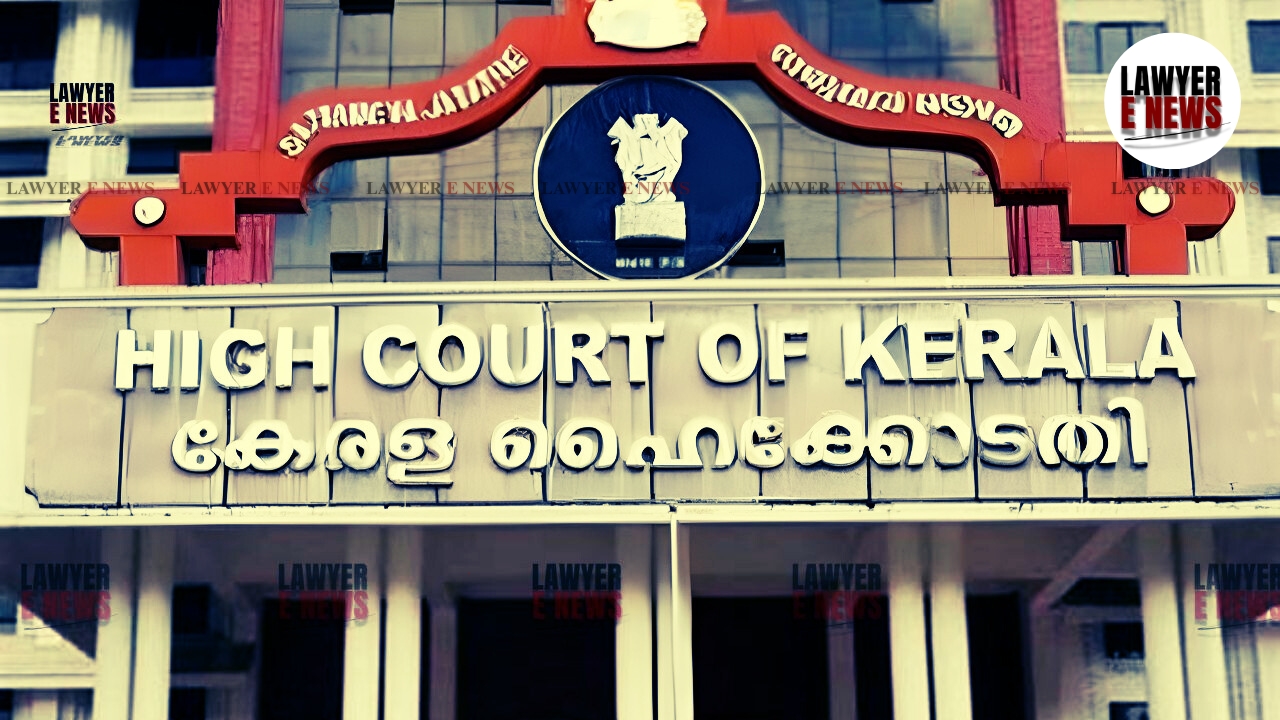
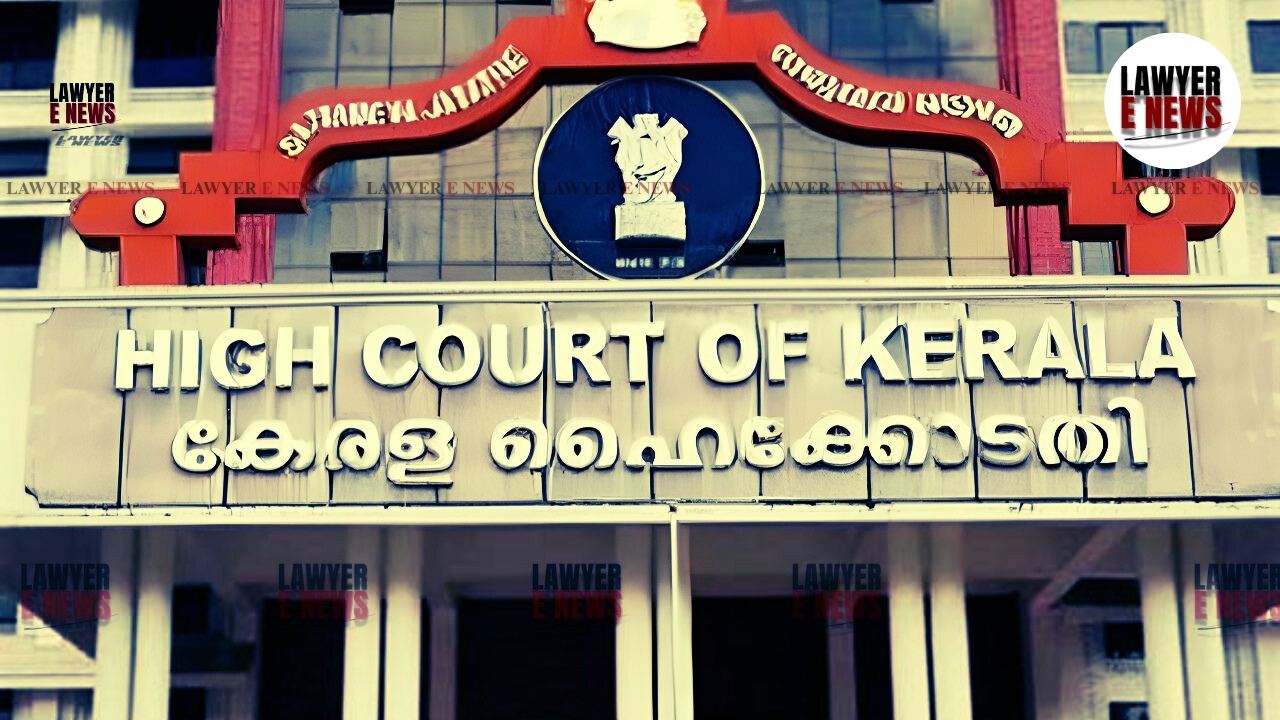
In a significant intervention emphasising accountability in temple administration, the Kerala High Court invoking its jurisdiction under Article 226 of the Constitution of India. Acting on the basis of an Ombudsman’s report highlighting the deplorable condition of the Gosala at Vaikom Mahadeva Temple, the Division Bench comprising Justice Raja Vijayaraghavan V and Justice K. V. Jayakumar issued a series of mandatory directions to ensure the welfare of bulls and cows housed under the control of the Travancore Devaswom Board.
The Court expressed deep anguish over the state of neglect, observing that “it is shocking and disturbing to us that some of the cows died due to starvation and there is nobody in the Devaswom to look after the affairs of these poor animals.” The DBP was disposed of with strict compliance directions, including personal accountability of a designated officer answerable directly to the Court.
“Nandiḥ Maheśasya Vāhanaṁ…” – Court Invokes Nandi Upapurana To Remind Temple Authorities Of Sacred Duty
The proceedings originated from a complaint submitted by one M. Muraleedharan, alleging lack of proper maintenance of the Gosala at the Vaikom Mahadeva Temple. The complaint was forwarded to the learned Ombudsman, who submitted Report No. 48 of 2025 before the High Court on 19 August 2025.
The complainant stated that two Nandis and six cows were being kept in extremely poor conditions within the temple premises. It was alleged that the space was inadequate, the cowshed was dilapidated, drainage facilities were absent, veterinary care was insufficient, and no full-time cowherd (Gopalakan) had been appointed. The animals, donated by devotees through the sacred ritual of ‘nadayiruthal’, were allegedly suffering due to institutional apathy.
The Advocate Commissioner pointed out systemic lapses on the part of the Board and submitted that during the COVID-19 pandemic, two cows had died due to starvation. Photographs produced before the Court revealed what the Bench described as the “sad plight of the poor animals.”
Earlier reports in DBP No. 57/2022 had also noted that the Gosala was situated near a waste disposal area, with no proper drainage system, resulting in accumulation of waste, foul odour and insect infestation.
The central issue before the Court was whether the Travancore Devaswom Board had failed in its administrative and fiduciary duty to ensure proper maintenance and welfare of temple animals, particularly those donated by devotees out of religious reverence.
While the Standing Counsel for the Board submitted that there was a proposal to shift the animals to the Kalikavu Bull Protection Centre, the Court was not inclined to treat the issue lightly in view of the material placed on record.
After examining the Ombudsman’s report, photographs, and submissions of the Advocate Commissioner, the Bench categorically held that the Board was giving “little priority to the welfare of these animals.”
In a remarkable reference to religious texts, the Court quoted from the Nandi Upapurana:
“नन्दिः महेशस्य वाहनं, भक्तानां प्रथमः गुरु:।
मौनेन सेवया चैव, शम्भोः प्रियतमोऽभवत्॥”
The Court explained that the verse describes Nandi as Lord Shiva’s mount, the foremost guru among devotees, and the most beloved due to his silent devotion and service. The Bench observed that Nandi represents “strength, loyalty and dharma” and is always positioned facing Lord Shiva in temples.
Against this spiritual backdrop, the Court found the neglect of bulls and cows within temple premises “shocking and disturbing,” underlining that such animals are objects of reverence and not mere property.
Veterinary Inspection And Board’s Response
Pursuant to an interim order dated 09 January 2026, the Senior Veterinary Surgeon, Veterinary Hospital, Vaikom, conducted a detailed inspection and submitted a comprehensive report with recommendations.
The Assistant Devaswom Commissioner informed the Court that fodder charges had been enhanced from ₹150 per cattle to ₹250 and that steps were being taken to appoint a cowherd.
Further, by proceedings dated 18 February 2026, the Board resolved to maintain one bull symbolically at Vaikom Gosala and shift the remaining animals to the Kalikavu Bull Protection Centre in the Ettumanoor Group. Repairs at Kalikavu were to be completed within three months.
Detailed Mandatory Directions Issued By The Court
While disposing of the DBP, the High Court issued extensive and binding directions to ensure systemic reform.
The Court directed the Travancore Devaswom Board to designate a specific Administrative Officer of the Vaikom Group for maintenance and upkeep of the Gosala and its inmates. The officer’s duties and responsibilities are to be clearly defined, and he shall be “directly answerable to this Court.” The Bench made it clear that “any lapse on the part of the Board or the designated Officer shall be viewed seriously.”
The Court ordered immediate repairs and maintenance of the cowshed, provision of separate feeding spaces for bulls and cows, arrangements for proper fodder including green grass and hay, and the appointment of a full-time cowherd (Gopalakan).
Further directions included ensuring proper drainage and ventilation facilities, and opening a separate bank account exclusively for the protection and maintenance of Gosalas. Funds collected in that account are to be used solely for that purpose.
The designated officer must file an affidavit of compliance within three months.
The Ombudsman was directed to monitor proceedings closely, conduct regular inspections and as many surprise checks as possible, and submit reports before the Court.
In a forward-looking measure, the Court advised the Board to prepare a comprehensive master plan for establishment and maintenance of Gosalas in and around Siva temples, utilising dedicated funds, separate accounts, and even corporate sponsorships where appropriate.
The Kerala High Court’s ruling stands as a stern reminder that temple administration carries with it not only financial and ritual responsibilities but also ethical and spiritual obligations. By invoking both constitutional jurisdiction and scriptural reverence, the Bench reinforced that animals donated to temples are entitled to dignity, hygiene and proper care.
The matter has been posted for compliance reporting on 25 May 2026, signalling that judicial monitoring will continue until meaningful reform is ensured.
Date of Decision: 24/02/2026