-
by sayum
26 August 2026 5:53 AM







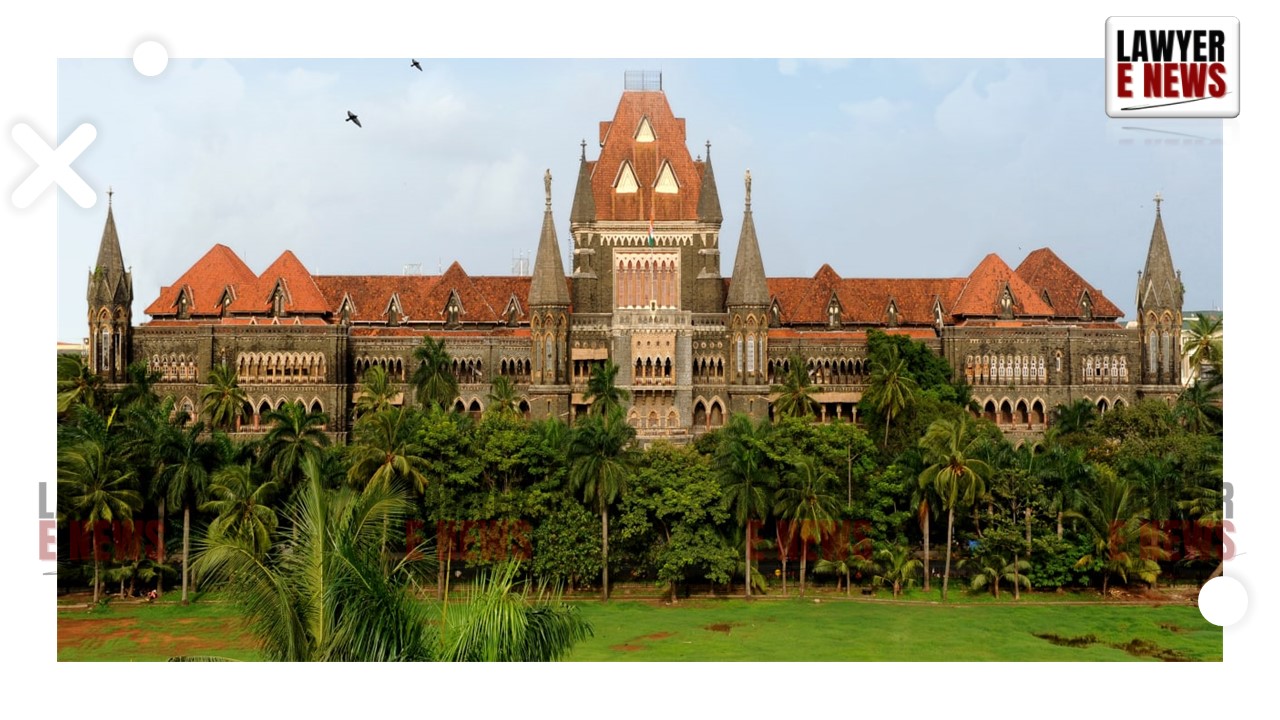
“Leave Under Clause XII Is a Condition Precedent – It Cannot Be Granted After Institution of the Suit”, On 23 February 2026, the Bombay High Court delivered a significant ruling on the scope of Clause XII of the Letters Patent and the consequences of failing to obtain leave before instituting a suit for land.
Justice Firdosh P. Pooniwalla allowed an application under Order VII Rule 11 of the Code of Civil Procedure, 1908 and rejected the Plaint in its entirety, holding that the suit — a partition action concerning HUF properties situated partly outside the ordinary original jurisdiction of the Bombay High Court — was barred by law for want of prior leave under Clause XII.
The Court framed three core questions: whether the suit was a “suit for land”, whether leave under Clause XII was required, and whether the plaint was liable to be rejected. All three were answered in the affirmative.
“A Suit for Partition of Immovable Properties Is a Suit for Land”
Partition by Metes and Bounds and “Handing Over” of Share Makes It a Possession Claim
The Plaintiff had sought declaration of a 1/7th share in ancestral HUF properties listed in Exhibit ‘C’, including land at Dindoshi (Mumbai), agricultural land in Wardha, property in Gujarat, flats in Bandra and other movable assets. Crucially, prayer (b) sought a decree of partition “by metes and bounds” and for the Plaintiff’s share to be “handed over”.
The Defendants contended that the suit was a “suit for land” under Clause XII of the Letters Patent and that since some properties were situated outside the original jurisdiction of the Bombay High Court, leave ought to have been obtained before institution.
Justice Pooniwalla relied heavily on the Division Bench judgment in Shiv Bhagwan Moti Ram Saraoji v. Onkarmal Ishar Dass, where it was categorically held:
“It is well settled that a suit for partition of immovable properties is a suit for land.”
The Court also referred to Vishram Parbat HUF, which reaffirmed that a suit for partition and recovery of possession is a suit for land, and to the Supreme Court in Adcon Electronics Pvt. Ltd. v. Daulat, where it was held:
“A ‘suit for land’ is a suit in which the relief claimed relates to title to or delivery of possession of land or immovable property.”
Further reliance was placed on Sumer Builders Pvt. Ltd. v. Narendra Gorani, where the Supreme Court observed that a controversy over possession “would conceptually fall within the conception of ‘suit for land’”.
Applying these principles, the Court held that the present suit was unmistakably one for partition of land and for delivery of possession of the Plaintiff’s share. The prayer for “handing over” the share demonstrated that possession was sought.
The Court rejected the Plaintiff’s argument that the suit might ultimately result in monetary distribution and therefore was not necessarily one for land. The test, the Court held, is based on the averments and reliefs in the plaint.
Orders in Jagneesh Malhotra and Dipika Hitendra Shah, relied upon by the Plaintiff to argue that partition suits are not suits for land, were held to be mere leave-granting orders without precedential value.
The Court concluded that the present suit was indeed a “suit for land” under Clause XII.
“If Part of the Land Is Outside Jurisdiction, Leave Must Be Obtained Before Institution”
Residence of Defendants Within Jurisdiction Does Not Cure the Defect
The next question was whether leave under Clause XII was required.
Clause XII provides that in suits for land, jurisdiction depends on the situs of the land. If part of the land is outside jurisdiction, leave must first be obtained.
Relying on the Calcutta High Court decision in Benoy Shankar Dhandani v. Choteylal Dhandania, the Court reiterated:
“In a suit for land, if the entire land is not situate within jurisdiction, it is necessary that leave of the Court should be obtained before the institution of the suit.”
The argument that all Defendants resided within jurisdiction and therefore leave was unnecessary was rejected. For suits for land, the situs principle governs.
The Court further relied on Quadricon Pvt. Ltd. v. Shri Bajrang Alloys Ltd., where it was held:
“The leave must be granted at the time of acceptance of the plaint and cannot be granted afterwards.”
“Leave under Clause XII of the Letters Patent is a condition precedent to the maintenance and entertainment of the suit.”
Admittedly, the Plaintiff had not obtained leave prior to institution. The Court held that such leave could not now be granted retrospectively.
“A Suit for Partial Partition Is Not Maintainable”
Absence of Leave Renders Entire Plaint Barred by Law
The final issue was whether the plaint could survive at least in respect of properties situated within Mumbai.
The Plaintiff argued that even if reliefs concerning properties outside jurisdiction were defective, the suit should continue for properties within jurisdiction, especially the Malad/Dindoshi property.
Justice Pooniwalla rejected this contention by invoking the settled principle that:
“A suit for partial partition is not maintainable.”
The Court relied on the Supreme Court decision in Kenchegowda v. Siddegowda, where it was categorically held:
“It is well-settled in law that a suit for partial partition is not maintainable.”
Since leave had not been obtained, the Court lacked jurisdiction over properties outside Mumbai. Proceeding only for properties within jurisdiction would amount to entertaining a suit for partial partition, which is barred by law.
The Court held that prayers (c), (c)(i), (c)(ii) and (c)(iii), though relating to property within jurisdiction, were consequential to the main prayer for partition of the entire estate. Granting them would effectively sanction a partial partition.
The argument that the defect could be cured at final hearing by denying relief for properties outside jurisdiction was rejected. The Court held that the absence of leave strikes at the very jurisdiction of the Court and renders the plaint barred by law at the threshold.
Since the entire suit was rendered non-maintainable, the plaint was rejected as a whole under Order VII Rule 11 CPC.
This judgment underscores three important principles in original side practice of the Bombay High Court.
First, “a suit for partition of immovable properties is a suit for land” under Clause XII.
Second, leave under Clause XII is a condition precedent when any part of the land lies outside jurisdiction, and it must be obtained before institution of the suit.
Third, a suit for partial partition is impermissible; therefore, where jurisdiction fails in respect of some properties and leave was not obtained, the entire plaint is liable to be rejected.
By rejecting the plaint at the threshold, the Bombay High Court has reaffirmed that territorial jurisdiction under Clause XII is not a technicality but a foundational requirement.
Date of Decision: 23 February 2026