-
by sayum
10 October 2026 8:11 AM







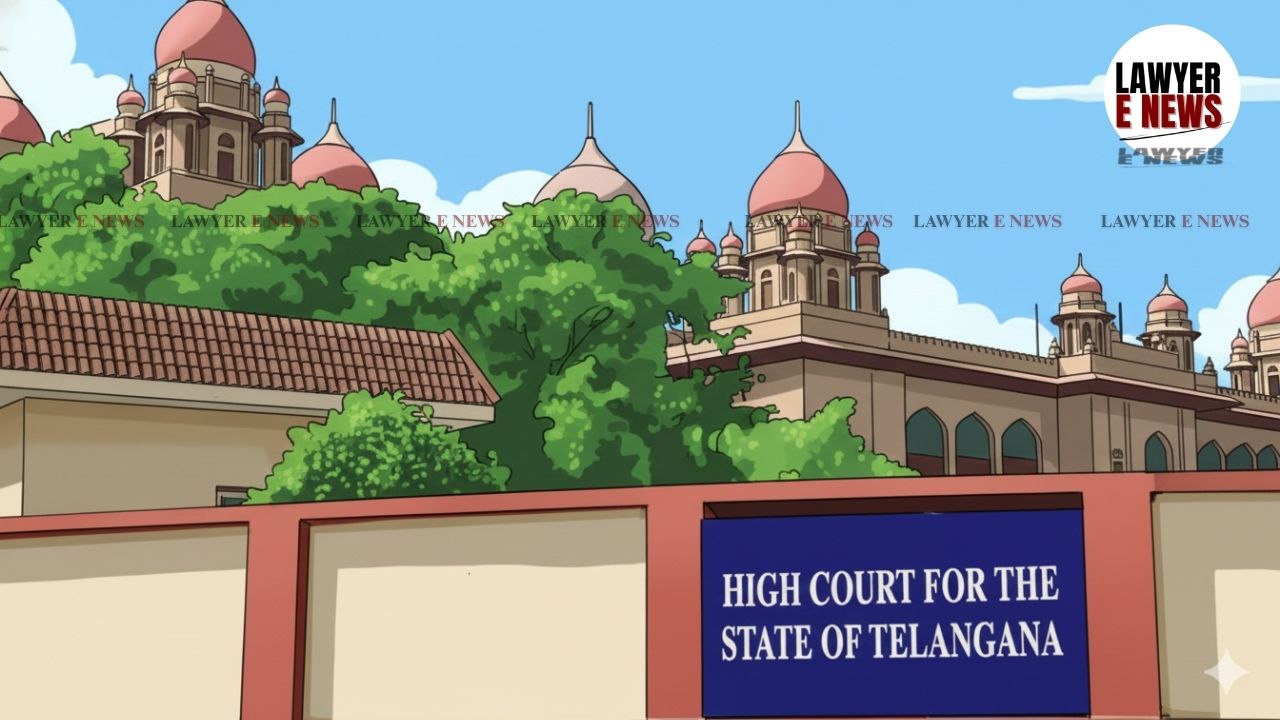
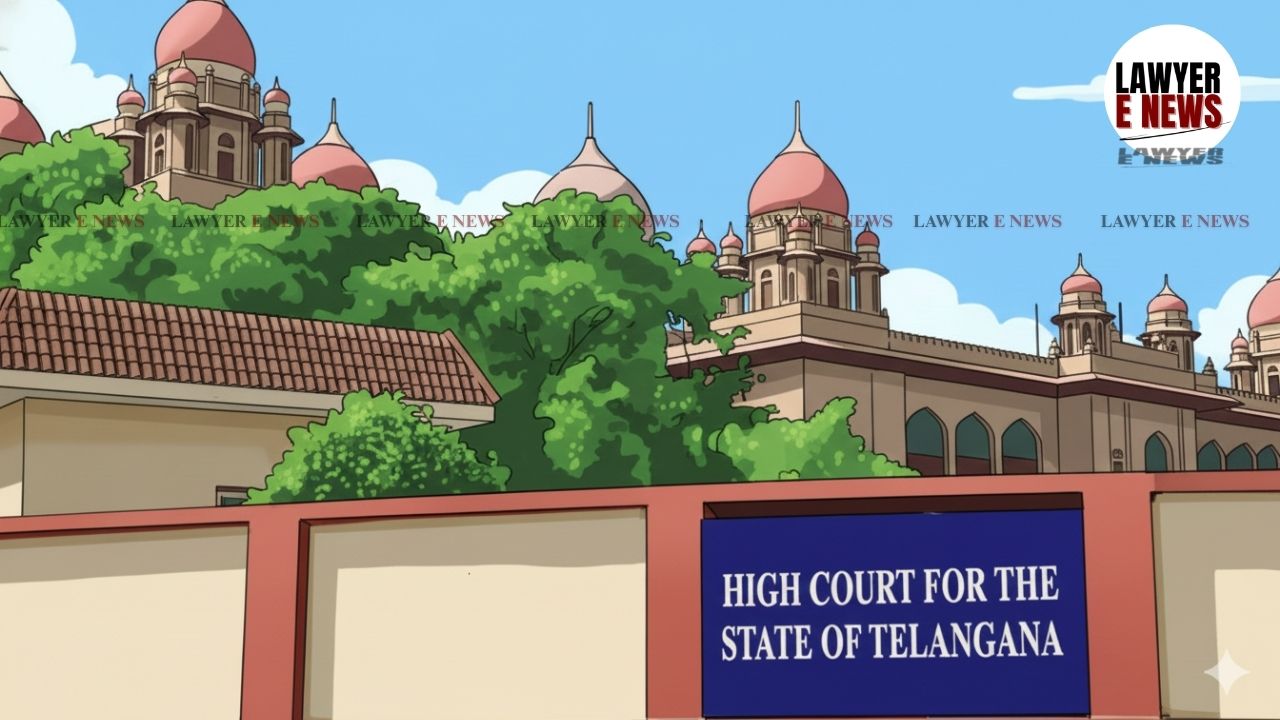
"It is a settled principle of law that an obligation which has crystallized into an enforceable order does not come to an end merely because the person against whom it was passed dies. Such obligation passes to the legal heirs and successors-in-interest to the extent of the estate inherited by them." Telangana High Court, in a significant ruling, held that a maintenance order passed under the Maintenance and Welfare of Parents and Senior Citizens Act, 2007, does not abate upon the death of the respondent.
A bench of Justice G.M. Mohiuddin observed that when a maintenance obligation has crystallized into a final, enforceable order, it survives against the legal representatives of the deceased to the extent of the estate inherited by them.
The petitioner, a senior citizen, had transferred her properties to her son (the original respondent) under the expectation of care and maintenance. Following the son's failure to provide basic necessities, the Revenue Divisional Officer (Respondent No. 3) passed an order in 2022 directing the son to provide accommodation, medical care, and maintenance. Although this order was confirmed on appeal, it remained unimplemented until the son passed away in 2025, leading the petitioner to seek enforcement against her daughter-in-law and minor grandchildren.
The primary questions before the court were whether a maintenance order under the 2007 Act lapses upon the death of the respondent and whether legal representatives—specifically a daughter-in-law and minor grandchildren—can be compelled to fulfill the maintenance obligations of the deceased. The court also addressed whether the daughter-in-law, despite not being a "child" under the Act, could be held liable due to her status as a party to the initial order.
Maintenance Obligations Survive Death
The court underscored that the 2007 Act is a beneficial legislation, and its provisions must be interpreted to ensure the security and dignity of senior citizens. Relying on the principle that maintenance obligations do not terminate with the death of the judgment-debtor, the court ruled that the estate inherited by the legal heirs remains burdened with the duty to maintain the parents.
Liability of Legal Representatives
The bench clarified that while a daughter-in-law may not fall under the strict definition of "children" under Section 2(a) of the Act, her liability in this instance was distinct. Because she was a party to the initial tribunal proceedings and had not challenged the final order, she was bound by its directions. Her liability arose from her role as a legal representative and natural guardian, coupled with the fact that she had benefited from the family property transfers.
"The obligation under the order dated 09.06.2022 was not a mere personal obligation which died with respondent No.5. It had crystallized into an enforceable order. Such an obligation is binding on the estate of the deceased."
No Evasion Through Definitions
The court rejected the respondents' attempt to escape liability by citing the definition clause. It held that once an order attains finality, a respondent cannot collaterally challenge it. The court also reiterated that under Section 23 of the 2007 Act, property transfers made by senior citizens are often implicitly subject to the condition of maintenance; thus, heirs cannot retain the benefit of the transferred estate while disowning the corresponding burden of support.
"The widow and children of the deceased son are, therefore, bound to maintain the aged parents out of the estate. This principle is consistent with the object of the 2007 Act, which is a beneficial legislation meant to protect the life and property of senior citizens."
Mandatory Enforcement Directions
The court declared the inaction of the authorities in implementing the Section 11 application to be illegal. It directed the Revenue Divisional Officer to ensure the construction of the required rooms or to implement an alternative lump-sum financial arrangement for the petitioner's maintenance. Furthermore, the court placed a restraint on the legal heirs from alienating the involved properties until the maintenance directions are fully satisfied, ensuring that the senior citizen’s security is not compromised.
The High Court allowed the writ petition, mandating that the maintenance order be enforced against the legal representatives to the extent of the inherited estate. This judgment reinforces that the death of an obligor is not a shield for heirs to deny the survival of pious and statutory maintenance duties towards senior citizens.
Date of Decision: 30 September 2026