-
by sayum
10 October 2026 8:11 AM







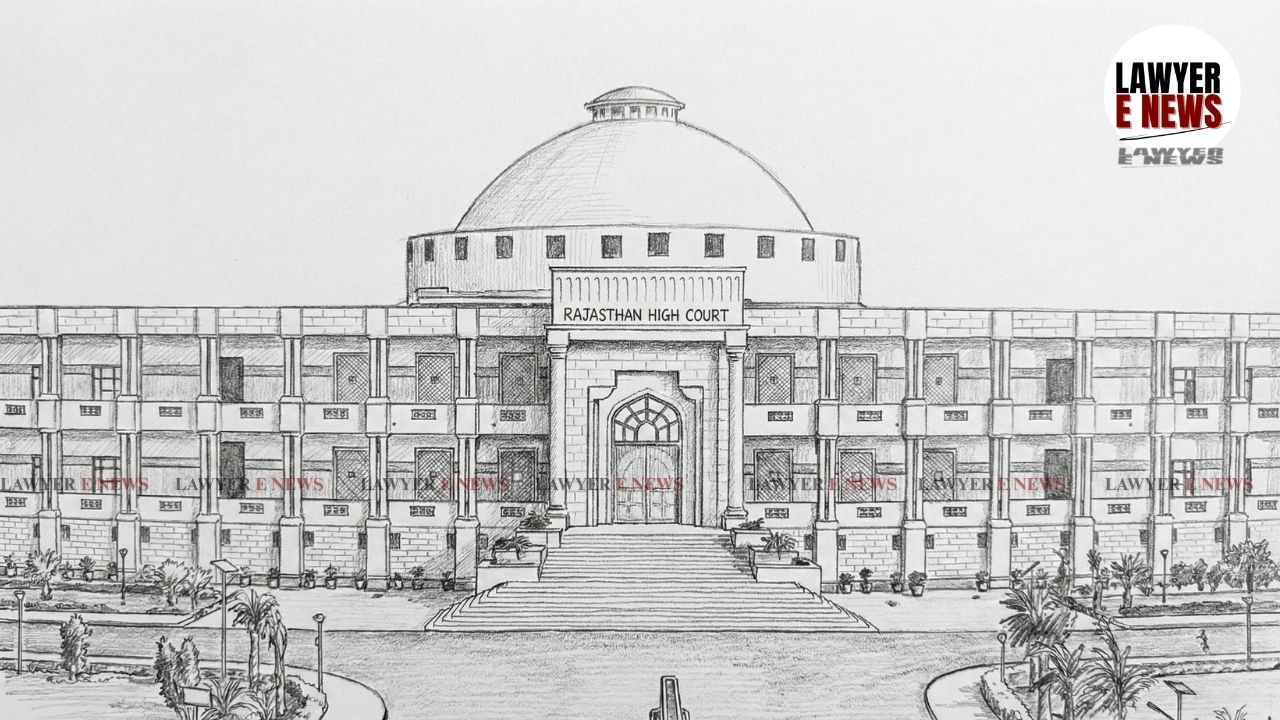
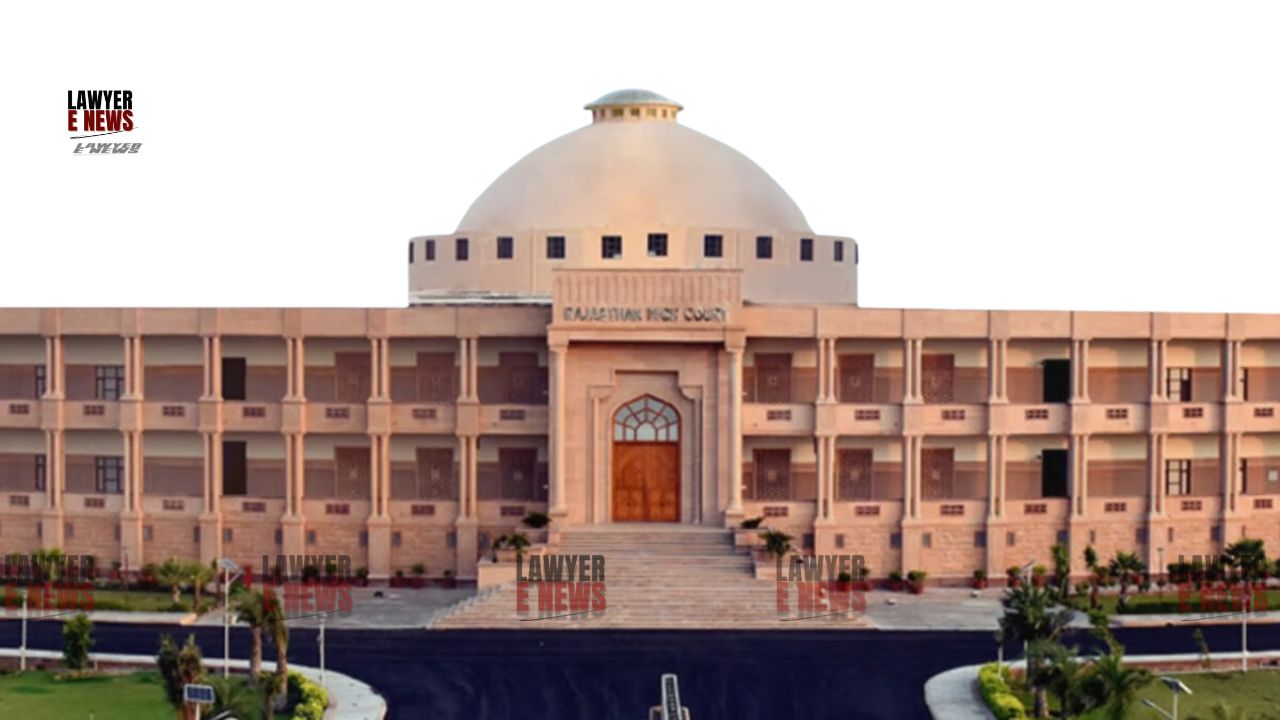
"Where two persons, after traversing the difficult path of discord, voluntarily choose to walk together once again, the law should, wherever permissible, facilitate that journey towards peace and restoration." Rajasthan High Court, in a significant ruling, held that an appellate court is empowered to set aside a decree of divorce if the parties, post-decree, have voluntarily reconciled and expressed a mutual desire to restore their matrimonial relationship.
A division bench of Justice Uma Shanker Vyas and Justice Sameer Jain observed that matrimonial litigation should not be treated as a mere adversarial contest, but as a human process where the law must facilitate reconciliation to protect familial sanctity and the welfare of children.
The appellant and respondent were married on 23 October 2015. Following matrimonial discord, the Family Court at Hanumangarh dissolved their marriage vide decree dated 30 November 2024, acting upon a petition filed by the respondent-husband under Section 13(1)(ia) of the Hindu Marriage Act, 1955. The wife subsequently challenged this dissolution before the High Court.
The primary question before the court was whether an appellate court, while seized of an appeal under Section 28 of the Hindu Marriage Act, 1955, possesses the jurisdiction to set aside a divorce decree based on a reconciliation achieved between the parties subsequent to the impugned order. The court was further tasked with determining whether the welfare of a minor child constitutes a compelling ground for the restoration of a dissolved marriage.
Court Emphasizes Reconciliation Over Litigation
The court underscored that marriage is not merely a contract but a sacred sanskara. The bench noted that while life may be fraught with discord, the legal system should not stand as an impediment when parties choose to heal their past wounds. Quoting the epic narratives of Nala and Damayanti, the court highlighted that temporary separation need not result in a permanent end if hearts seek reunion.
"The essence of matrimonial adjudication is not merely to determine the existence of a legal wrong, but, wherever circumstances permit, to facilitate a just and humane resolution of the dispute."
Welfare of the Minor Child as a Paramount Consideration
The bench laid significant stress on the impact of divorce on the couple's minor daughter. The court observed that the parents’ voluntary decision to reconcile was driven by a commitment to provide the child with emotional security and the combined care of both parents. The court held that the welfare of the child is best served when parental conflict is replaced by mutual respect and familial stability.
"The Court is further of the considered view that the paramount consideration in the peculiar facts of the present case is the welfare of the minor girl."
Exercise of Appellate Jurisdiction Post-Settlement
The court reasoned that because the dispute was essentially private and lacked larger public consequence, there was no legal bar to giving effect to the parties' changed circumstances. Relying on the precedent set in Kamlesh Devi v. Vijay Kumar Soni, the bench concluded that failing to acknowledge the reconciliation would be contrary to the interests of justice, as the underlying cause of the litigation had effectively ceased to exist.
"Where the parties themselves have found a path from discord to reconciliation, the law should, wherever permissible, facilitate peace rather than perpetuate conflict."
Restoration of Marriage
Consequently, the High Court set aside the judgment and decree dated 30 November 2024. The court declared that the marriage solemnized on 23 October 2015 stands restored as if the divorce decree had never been passed. The Registrar (Judicial) was directed to communicate this order to the Family Court to update its records, thereby finalizing the restoration of the marital status of the parties.
Date of Decision: 15 September 2026