-
by sayum
10 October 2026 8:11 AM








"A person aggrieved cannot be expected to exercise the right of review conferred by the provision unless the order is communicated to or is known to him either actually or constructively." Delhi High Court, in a recent judgment, held that the period of limitation for filing an appeal under Section 101 of the Juvenile Justice (Care and Protection of Children) Act, 2015 (JJ Act) commences from the date of communication or actual/constructive knowledge of the order, rather than mere knowledge of the factum of the disposal of the complaint.
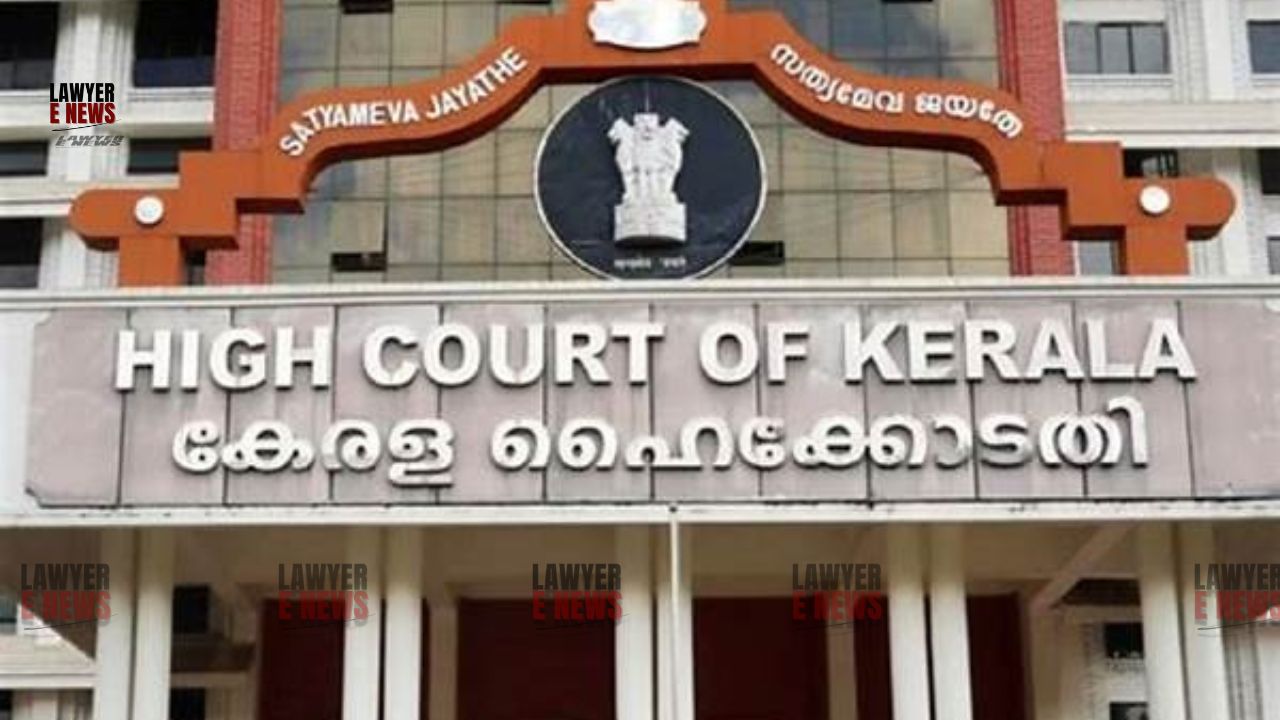
A bench of Justice Chandrashekharan Sudha emphasized that unless an aggrieved party is provided with the contents of the order, they cannot effectively exercise their right of appeal.
The dispute arose after the Child Welfare Committee (CWC) dismissed a complaint filed by students against their school alleging discriminatory treatment and intimidation during examinations. The students filed an appeal before the Sessions Court with an application to condone a 125-day delay in filing. The appellate court allowed the application, finding that the appeal was filed within the statutory period of 30 days from the date the order was received. The school challenged this, contending that the respondents were aware of the order much earlier, rendering the appeal time-barred.
The primary question before the court was whether the appellate court erred in condoning the delay by accepting the respondents' contention regarding the date of knowledge. The court was further tasked with determining whether "knowledge of disposal" of a complaint is equivalent to "knowledge of the order" for the purpose of computing the limitation period under the JJ Act.
Defining Sufficient Cause
The Court observed that the proviso to Section 101 of the JJ Act empowers the appellate court to condone delays upon being satisfied that the appellant was prevented by "sufficient cause." Referring to the Supreme Court's mandate in Maniben Devraj Shah v. Municipal Corpn. of Brihan Mumbai, the court noted that while a justice-oriented approach is necessary, the court must balance the rights of the successful litigant against the bona fide nature of the applicant’s explanation for the delay.
Knowledge of Disposal vs. Contents of Order
The Court clarified that mere awareness that a case has been disposed of does not trigger the limitation period. Addressing the school's reliance on a "citizen remark" made by a parent regarding the disposal of the complaint, the court held that such a remark failed to establish that the respondents were furnished with the actual order. Without the order, the party remains effectively disabled from drafting an informed appeal.
Scope of Limitation under Section 101 JJ Act
The Court relied upon the dictum in D. Saibaba v. Bar Council of India, reiterating that limitation statutes must be construed to ensure that the remedy is not lost due to administrative lapses or the non-communication of orders. The court rejected the appellant's argument that the period of limitation commenced from the date of disposal, noting that such an interpretation would deprive an aggrieved person of their legal remedy without them even knowing the grounds upon which their complaint was dismissed.
"The remark made by one of the parents under the heading 'Citizen Remarks' would only show that he was aware of the disposal of the complaint by the CWC... Mere knowledge of the factum of disposal, however, cannot be equated with receipt or knowledge of the contents of the order itself."
Procedural Accuracy in Filing
The Court further addressed the contention regarding an alleged "unexplained delay" of 23 days. Upon reviewing the record, the court found that the appeal was uploaded via the e-portal on August 14, 2024, despite being physically received by the court on August 31, 2024. Finding that the respondents had acted with due diligence following the receipt of the order on August 2, 2024, the court found no procedural infirmity in the appellate court’s decision to condone the delay.
Finding no merit in the school's challenge to the order condoning the delay, the High Court dismissed the appeal. The ruling reinforces the principle that the right to appeal is a substantive right that cannot be defeated by the absence of formal communication of the impugned order, protecting litigants against the risk of losing their remedy due to lack of access to the formal judgment.
Date of Decision: 31 August 2026