Judicial Review Is Not A Substitute For Examiner’s Judgment: Delhi High Court Rejects DJSE Candidate’s Plea Over Alteration of Marks Part-Payments Extend Limitation - Each Payment Revives Limitation: Delhi High Court Non-Stamping Renders A Document Inadmissible, Not Void – Defect Is Curable Once Duty Is Paid: Punjab & Haryana High Court Upholds Specific Performance MP High Court Upholds Ladli Behna Yojana Criteria; Rules Registration Deadlines and Age Limits Fall Under Executive Domain Criminal Courts Are Not Recovery Agents: Orissa High Court Grants Bail in ₹3.5 Crore Land Fraud Cases Citing Article 21 and Terminal Illness 304 Part I IPC | Sudden Fight Between Brothers Over Mud House Construction: Jharkhand High Court Converts Murder Conviction To Culpable Homicide When Rape Fails, Section 450 Cannot Stand: Orissa High Court Acquits Accused of House-Trespass After Finding Relationship Consensual Concurrent Eviction Orders Will Not Be Reopened Under Article 227: Madras High Court Section 128 Contract Act | Surety’s Liability Is Co-Extensive: Kerala High Court Upholds Recovery from Guarantors’ Salary Custodial Interrogation Not Warranted When Offences Are Not Punishable With Death or Life: Karnataka High Court Grants Anticipatory Bail to Deputy Tahsildar in Land Records Case Order VIII Rules 3 & 5 CPC | Silence Is Admission: State’s Failure To Specifically Deny Hiring Amounts To Acceptance: JK HC Consumer | No Complete Deficiency In Service — Excess Rainfall Also To Blame: Supreme Court Halves Compensation In Groundnut Seed Crop Failure Case Development Cannot Override The Master Plan: Supreme Court Nullifies Cement Unit CLU In Agricultural Zone Negative Viscera Report Is Not a Passport to Acquittal: Madras High Court Confirms Life Term of Parents for Poisoning Mentally Retarded Daughter Observations Have Had a Demoralising and Chilling Effect: Allahabad High Court Judge Recuses from Bail Matter After Supreme Court’s Strong Remarks Controversial YouTube Remarks On ‘Black Magic Village’ Not A Crime: Gauhati High Court Quashes FIR Against Abhishek Kar “Failure To Specifically Deny Allegations Amounts To Admission”: J&K High Court Reiterates Law Under Order VIII CPC Section 293 Cr.P.C. Does Not Bar Examination of Expert When DNA Report Is Disputed: MP High Court Medical Evidence Trumps False Alibi: Allahabad HC Upholds Conviction In Matrimonial Murder Where Strangulation Was Masked By Post-Mortem Burning Helping Young Advocates Is Not A Favour – It Is A Need For A Better Justice System: Rajasthan High Court Section 82 Cr.P.C. | Mere Non-Appearance Does Not Ipsi Facto Establish Absconding: Punjab & Haryana High Court Sets Aside Order Declaring Student Abroad as Proclaimed Person

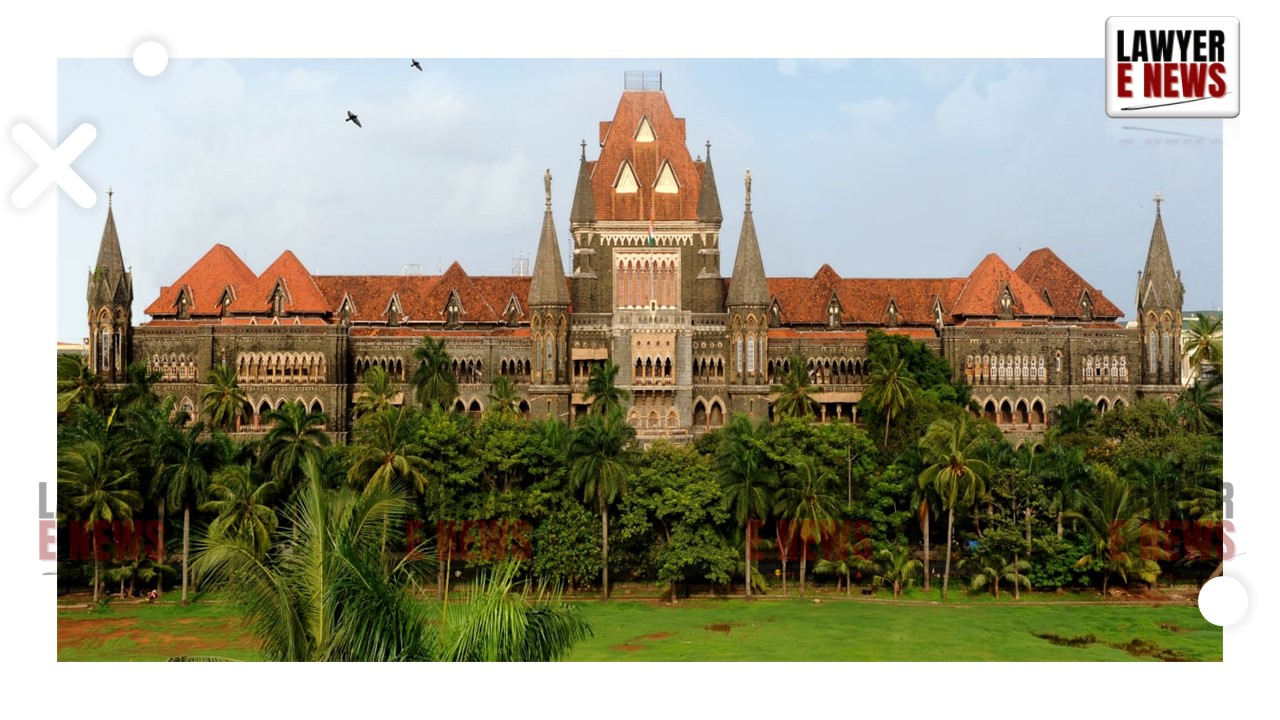
Reference To Larger Bench Does Not Freeze Binding Precedent: Bombay High Court

01 December 2025 2:52 PM

By: Admin


“It is necessary for continuity, certainty and productivity in the administration of justice that the decision is followed without awaiting a decision by the larger Bench”— Upholding the sanctity of judicial discipline, the High Court of Judicature at Bombay has ruled that a Supreme Court judgment remains binding law even if its correctness has been doubted and referred to a larger bench for reconsideration.

THE HARIHARAN DEFENSE: ATTEMPT TO BYPASS PRECEDENT

The observation came during a high-stakes seniority dispute where the petitioners sought to evade the application of the Supreme Court’s Constitution Bench judgment in K. Meghachandra Singh v. Ningam Siro (2020). The petitioners argued that the Meghachandra verdict—which ruled that seniority counts from the date of appointment, not the date of vacancy—had lost its binding character.

Their contention rested on a subsequent development in Hariharan & Ors. v. Harsh Vardhan Singh Rao, where a different bench of the Supreme Court expressed doubts regarding the correctness of the Meghachandra ruling and referred the matter to a larger bench. The petitioners submitted that due to this pending reference, the High Court should not rely on Meghachandra to determine seniority disputes.

CONTINUITY OVER CHAOS: THE DOCTRINE OF PRECEDENT

Rejection this submission, the Division Bench comprising Chief Justice Shree Chandrashekhar and Justice Gautam A. Ankhad delivered a lecture on the doctrine of stare decisis. The Court held that a "reference" merely indicates that a coordinate bench has doubted a view; it does not amount to a stay or an overruling of the judgment.

The High Court emphasized that if courts were to pause the application of settled law every time a reference was made to a larger bench, it would lead to legal paralysis. The Bench cited the Supreme Court’s prior ruling in Union Territory of Ladakh v. Jammu and Kashmir National Conference, reiterating that a decision by a Constitution Bench is binding on all courts under Article 141 of the Constitution until it is specifically set aside.

THE LAW STANDS UNTIL OVERRULED

The Court clarified the distinction between a judgment being "overruled" and being "referred." While the correctness of K. Meghachandra Singh is under scrutiny, it has not been stayed. Therefore, it remains the law of the land.

"Judicial discipline demands that the decision in K. Meghachandra Singh is followed," the Court asserted. By refusing to freeze the application of the precedent, the Bombay High Court has sent a clear signal: administrative and judicial processes cannot be held in limbo in anticipation of a future verdict; the law as it stands today must govern current adjudications.

Date of Decision: 27th November 2025

Latest Legal News