
-
by sayum
25 August 2026 12:32 PM







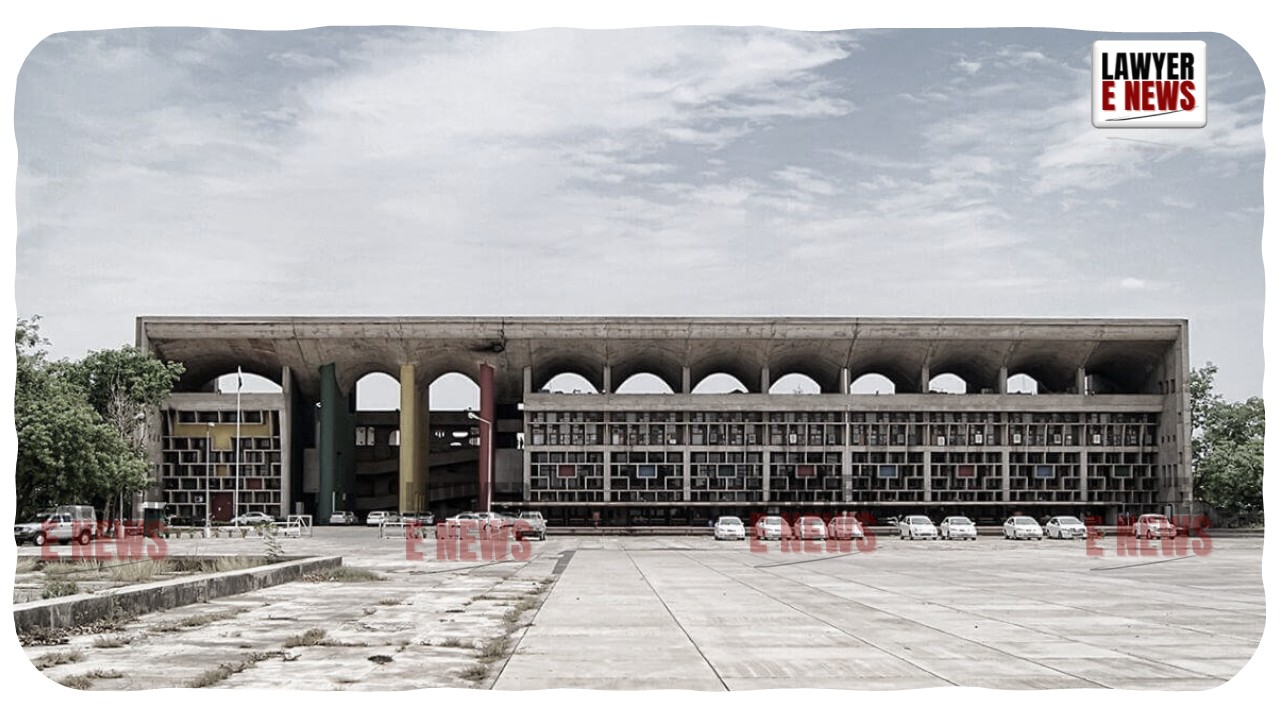
"Prima Facie Title Must Precede Injunctive Relief – Ongoing Consolidation Dispute Cannot Be Basis for Interim Order", In a recent judgment delivered Punjab and Haryana High Court dismissed a civil revision petition filed by one Ramkishan, who had challenged concurrent orders of the Trial Court and Appellate Court refusing interim injunction against Jaibir and others in an agricultural land dispute involving claims of ancestral ownership and forged revenue entries.
Justice Mandeep Pannu held that the petitioner had failed to establish a prima facie case, and the alleged forgery of land records, without any conclusive adjudication from the Consolidation Officer, could not form the basis for disturbing the respondents' long-standing possession.
Claim of Ancestral Land and Alleged Forgery During Consolidation
The petitioner, Ramkishan, alleged that the land in dispute originally belonged to his grandfather, Nand Ram, and was wrongly allotted during consolidation proceedings in 1957–58 in favour of the defendants’ lineage, allegedly by collusion with revenue officials. He asserted that the respondents had no traceable ownership in the revenue records of 1885–86 and had obtained illegal entries in their names, further selling portions of the land over decades through fraudulent transactions.
Seeking to restrain the defendants from raising construction of a poultry farm, the petitioner filed an application under Order 39 Rules 1 and 2 read with Section 151 CPC, claiming urgent need for protection of his ancestral land. He also submitted that a separate petition challenging the consolidation allotment was pending before the competent authority.
The defendants, however, countered with records showing their continuous ownership and possession since the 1960s, including a registered sale deed dated 19.09.1966, electricity connections, and Jamabandis reflecting their title and use of the land.
Plaintiff Failed All Three Tests for Injunction
In its order dated 30.07.2025, the Trial Court found that the plaintiff did not produce any cogent title documents to support his claim. The existing revenue entries, extending back several decades, consistently named the defendants and their predecessors as owners or co-sharers. The Court emphasized that the petitioner’s own pleadings admitted that the defendants were in possession, and his challenge to the consolidation allotment was still sub judice.
The Court also held that balance of convenience lay with the defendants, who had been in settled possession and had already established a poultry farm on part of the land. The Court reasoned that disrupting the status quo on the basis of an unestablished title would be inequitable.
Further, it was observed that irreparable loss was not made out, especially since the petitioner was not in possession and his rights were contingent on the outcome of pending consolidation proceedings. The interim relief was thus denied.
Long-standing Possession and Revenue Record Cannot Be Overturned Through Injunction
Affirming the Trial Court's findings on 16.10.2025, the Appellate Court underscored that the Jamabandi entries since 1957–58 supported the defendants' ownership, and the plaintiff’s title remained unproven. The Appellate Court also took note of the delayed assertion of rights, observing that the plaintiff had "slept over his alleged rights for decades" while the property had changed hands multiple times.
The Court rejected the notion that interim injunction could be used to "indirectly reopen consolidation proceedings," which were pending before the appropriate authority. The injunction was denied on all three legal tests – prima facie case, balance of convenience, and irreparable harm.
Interlocutory Relief Cannot Prejudge Title Disputes or Forgery Allegations
Justice Mandeep Pannu, dismissing the revision under Section 115 CPC, agreed that the plaintiff's case involved "triable issues which cannot be adjudicated at the interlocutory stage." The Court held:
“Mere allegation of forgery, without a finding from the competent forum, cannot be treated as sufficient to disturb settled possession through an interlocutory order.”
The Court also found no material irregularity or jurisdictional error in the decisions of the courts below. Reiterating that revisional jurisdiction is not a platform for reappreciation of facts, the High Court observed:
“The petitioner has not been able to demonstrate any ground warranting interference in revisional jurisdiction, which is limited to examining jurisdictional error or material irregularity and does not extend to re-appreciation of facts.”
The claim that recent construction amounted to irreparable harm was also rejected, noting that the poultry farm had been in existence for years and any loss, if ultimately proven, could be remedied through legal remedies.
Pending Consolidation Challenge Bars Interim Relief
Ultimately, the High Court concluded that the plaintiff’s assertions were premature and could not override the presumption attached to existing revenue entries, especially when his claim of forgery was pending determination.
"Until the petitioner succeeds in that challenge [before the Consolidation Officer], his claim to exclusive title cannot be treated as established for the purpose of granting interim injunction."
The revision petition was dismissed in limine, and all pending miscellaneous applications stood disposed of.
Date of Decision: December 4, 2025





