-
by sayum
24 August 2026 3:22 PM







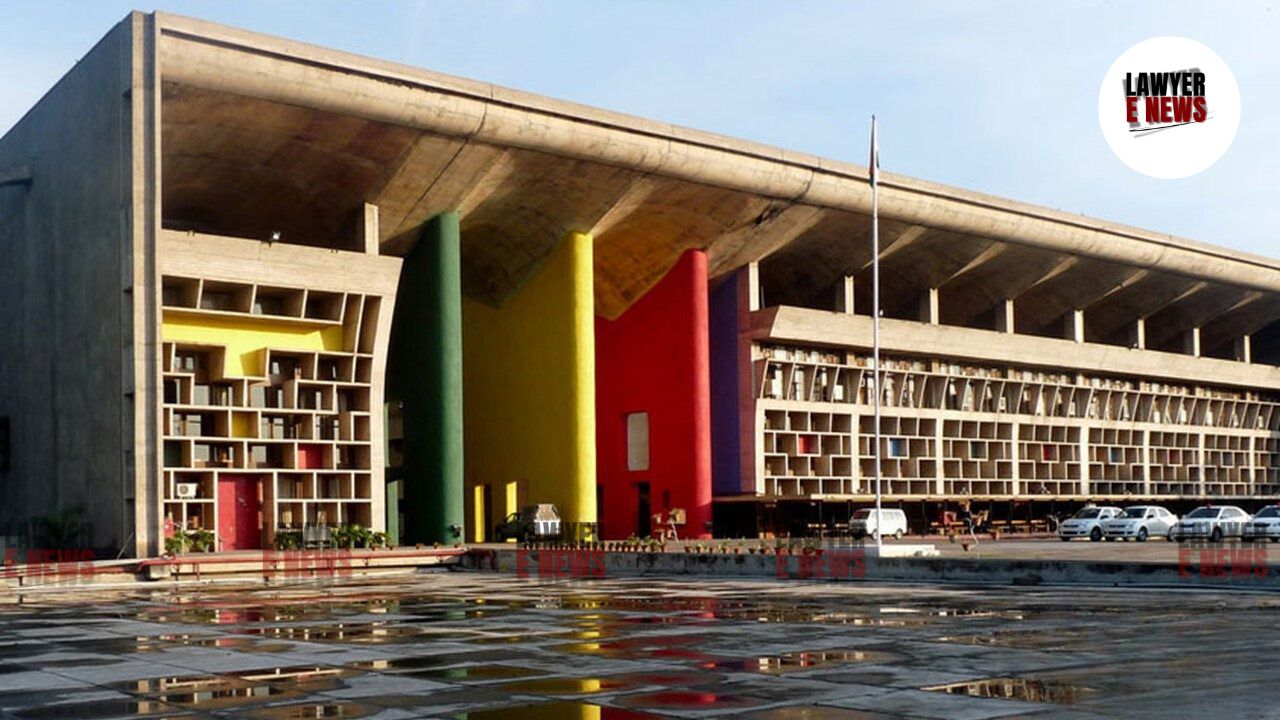
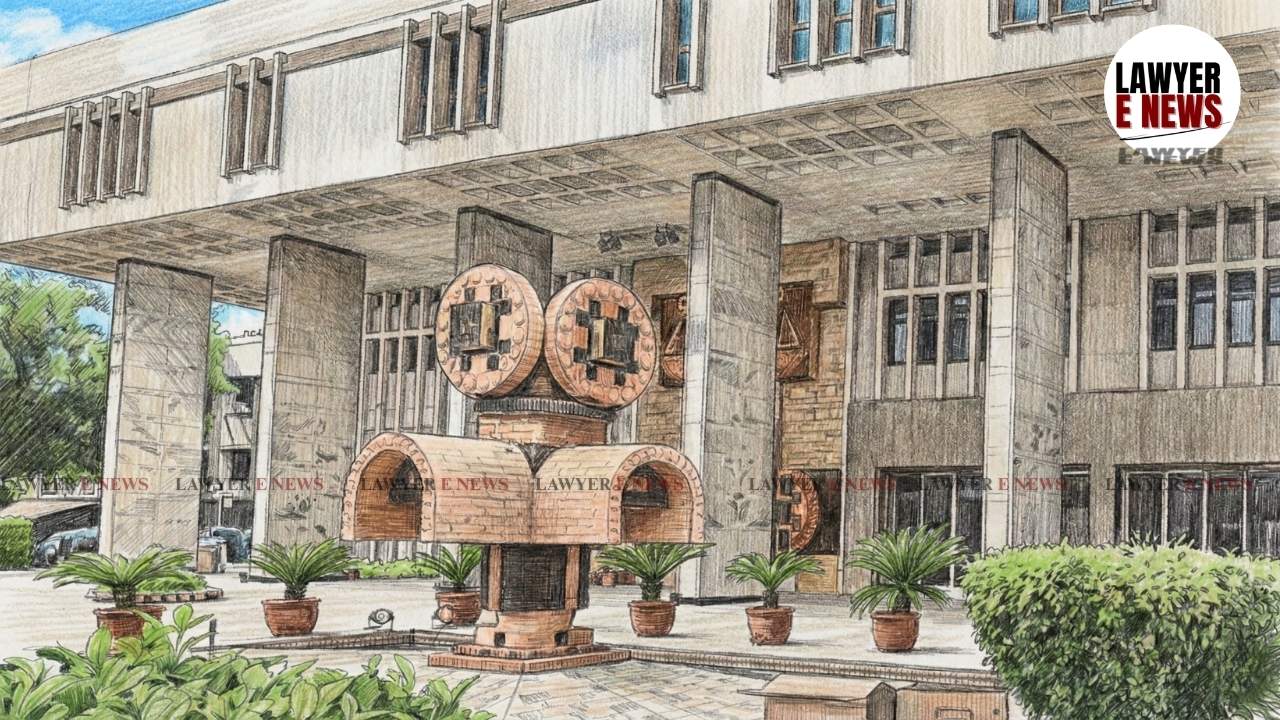
“When obstruction of a common passage is alleged and supported by site plans and photographs, appointment of Local Commissioner is not only permissible but essential for fair adjudication” — Punjab and Haryana High Court set aside an order of the Civil Judge (Junior Division), Rajpura, which had rejected a request for appointment of a Local Commissioner in a suit for permanent and mandatory injunction. The petitioner had claimed that the respondents had obstructed a common passage by raising unauthorized walls and sought a spot inspection to bring the ground reality before the Court.
Justice Amarinder Singh Grewal, allowing the civil revision under Article 227 of the Constitution, held that the Trial Court had failed to exercise discretion judiciously under Order XXVI Rule 9 CPC, and reiterated that “a Local Commissioner is the eyes and ears of the Court, not a tool for private evidence collection.”
“In Disputes Involving Physical Obstructions, On-Site Inspection Is Necessary to Assist the Court in Discovering Truth”
The petitioner had filed a civil suit seeking injunctive relief against obstruction and possession interference, specifically alleging that a common passage, left during oral partition, had been blocked by the defendants. Photographs and a site plan were submitted, but the Trial Court rejected the application for appointment of a Local Commissioner, terming it an attempt to collect evidence.
The High Court rejected this view, holding:
“The purpose of appointing a Local Commissioner is to assist the Court in ascertaining the true and correct physical features or factual position of the property in dispute, and not to collect evidence on behalf of any party.”
Justice Grewal emphasized that in matters involving pathways, encroachments, or structural alterations, a commissioner's visit is a judicial tool, and not an adversarial move. The failure of the Trial Court to appreciate this distinction warranted interference under Article 227.
“Discretion Must Advance Justice, Not Obstruct It”: Trial Court Criticised for Non-Application of Mind
While acknowledging that the power to appoint a Local Commissioner is discretionary, the High Court cautioned that such discretion is meant to further the cause of justice, not to block it.
The Court cited its own precedents, including:
Applying these principles, Justice Grewal held:
“Refusal to appoint a Local Commissioner has the effect of stifling adjudication of the real controversy.”
He further noted that the Trial Court had ignored key documents, including photographs and site plans, that prima facie supported the petitioner’s allegations of blockage.
“Commissioner's Report Does Not Prejudice Either Party — It Only Clarifies the Factual Dispute”: High Court Reinstates Application
The judgment makes clear that the Local Commissioner’s report is not conclusive evidence, but merely an objective snapshot of the physical condition, which helps the Court adjudicate issues without relying solely on partisan versions.
Justice Grewal observed:
“Such appointment would not cause any prejudice to the respondents; rather, it would aid in effective adjudication and avoid future multiplicity of proceedings.”
Accordingly, the High Court allowed the revision, set aside the Trial Court’s order dated 11.09.2025, and directed that:
“The learned Trial Court shall appoint a competent Revenue Officer or any other suitable Local Commissioner to inspect the spot, demarcate the area, and submit a report regarding the existing position of the property and passage in dispute within a stipulated period.”
The judgment ensures that real controversies are resolved with judicial assistance, not suppressed through procedural misapplications.
This ruling in Gurcharan Singh v. Harjinder Kaur & Others clarifies and reasserts the judicial purpose behind appointment of Local Commissioners — particularly in property and passage obstruction disputes. The High Court’s intervention ensures that fact-finding tools available to courts are not denied due to misplaced procedural objections, especially where such tools are indispensable to doing complete justice.
The Court also reiterated that Article 227 exists to correct such failures of discretion, where the refusal to allow procedural tools obstructs meaningful adjudication.
Date of Decision: 15 October 2025