-
by sayum
26 July 2026 9:07 AM







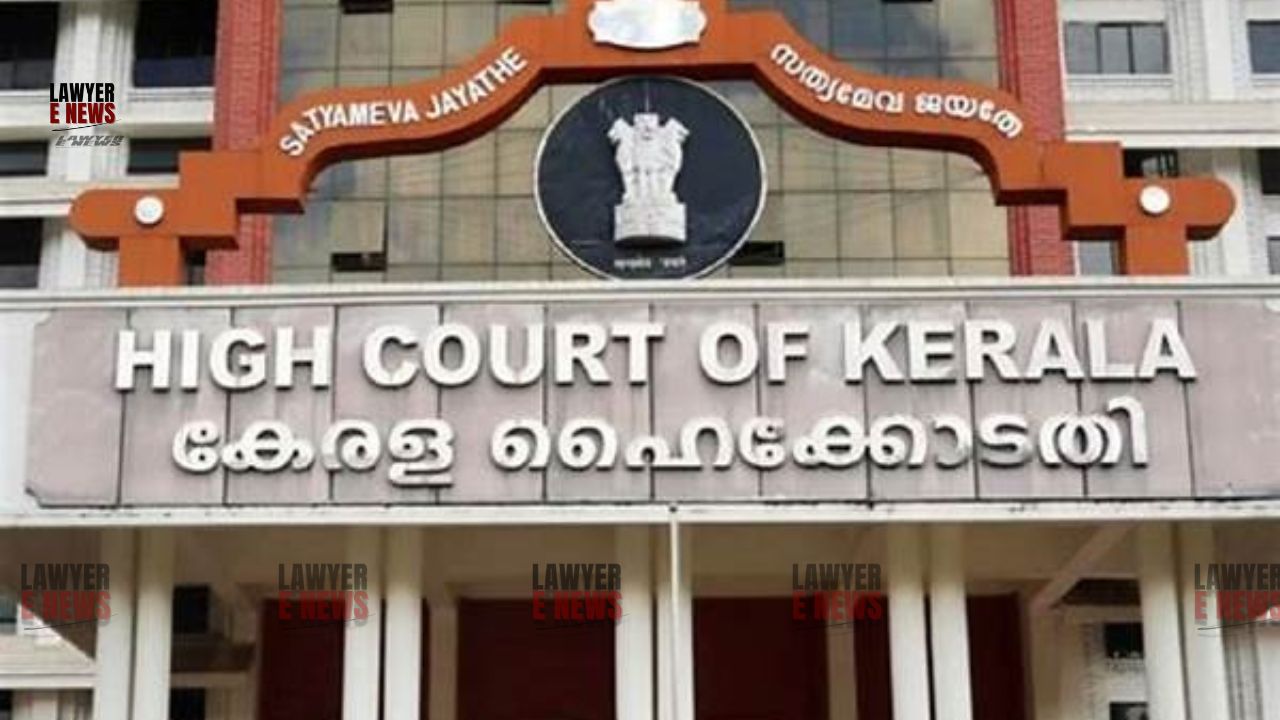
In a significant ruling on March 14, 2025, the Kerala High Court set aside an interim maintenance order granted by the Family Court, Kollam, in the case of O.P.(Crl.) No. 104 of 2025. The High Court held that the Family Court’s failure to ensure compliance with the Supreme Court’s mandatory guidelines in Rajnesh v. Neha [(2021) 2 SCC 324]—which require both parties in maintenance proceedings to file affidavits disclosing their assets and liabilities—made the order legally unsustainable. The case was remitted for fresh adjudication, directing strict compliance with the prescribed guidelines.
Background of the Case
The petitioner, husband of the first respondent and father of the second respondent, challenged an interim maintenance order issued by the Family Court, Kollam, in M.C. No. 115/2019, granting Rs. 5,000 per month each to the wife and child under Section 125 of the Code of Criminal Procedure, 1973 (Cr.P.C.).
The petitioner contended that the Family Court granted interim maintenance without insisting on the mandatory Affidavit of Disclosure of Assets and Liabilities from both parties, as mandated by the Supreme Court in Rajnesh v. Neha. The petitioner sought to have the order set aside on the grounds of procedural non-compliance.
The respondents, on the other hand, argued that the Family Court had sufficient material on record to determine maintenance and that failure to file the affidavit should not render the order invalid.
Legal Issues at Hand and Court Observations
Mandatory Requirement of Financial Disclosure in Maintenance Cases
The High Court reiterated that in Rajnesh v. Neha, the Supreme Court prescribed a uniform format for financial disclosure affidavits to prevent concealment of income and ensure fairness in maintenance proceedings.
The Court also referred to Aditi alias Mithi v. Jithesh Sharma [(2023) SCC OnLine SC 1451], where the Supreme Court expressed concern that many courts were failing to enforce these disclosure requirements.
The guidelines in Rajnesh v. Neha were declared mandatory and binding on all courts dealing with maintenance cases across India.
Effect of Non-Compliance with Supreme Court Guidelines
The Family Court, Kollam, granted maintenance without requiring either party to file the mandated affidavit, making its order legally untenable.
The High Court clarified that even if the petitioner (husband) failed to submit his affidavit, this did not absolve the respondent (wife) from her obligation to disclose her financial status before seeking maintenance.
Details of the Judgment
The Kerala High Court, presided over by Hon’ble Dr. Justice Kauser Edappagath, held as follows:
“Since neither party filed the disclosure affidavit, the Family Court’s order is legally unsustainable and must be set aside.”
The case is remitted back to the Family Court for reconsideration, strictly ensuring compliance with Rajnesh v. Neha guidelines.
The petitioner is directed to file an affidavit disclosing his assets and liabilities within 10 days from the date of appearance before the Family Court.
If the petitioner fails to file the affidavit, the Family Court may decide the matter based on the available records and the affidavit filed by the respondent.
All Family Courts in Kerala are directed to mandatorily enforce the requirement of financial disclosure before passing maintenance orders.
Conclusion
The Kerala High Court’s ruling reinforces the Supreme Court’s mandate that maintenance proceedings must adhere to strict financial disclosure norms. By setting aside the Family Court’s interim maintenance order, the High Court has emphasized the importance of procedural fairness and transparency in maintenance cases.
This decision serves as a reminder to all courts across India to ensure strict compliance with Rajnesh v. Neha and related precedents, thereby promoting judicial consistency and fairness in maintenance adjudication.
Date of Decision: March 14, 2025