-
by sayum
24 August 2026 3:22 PM







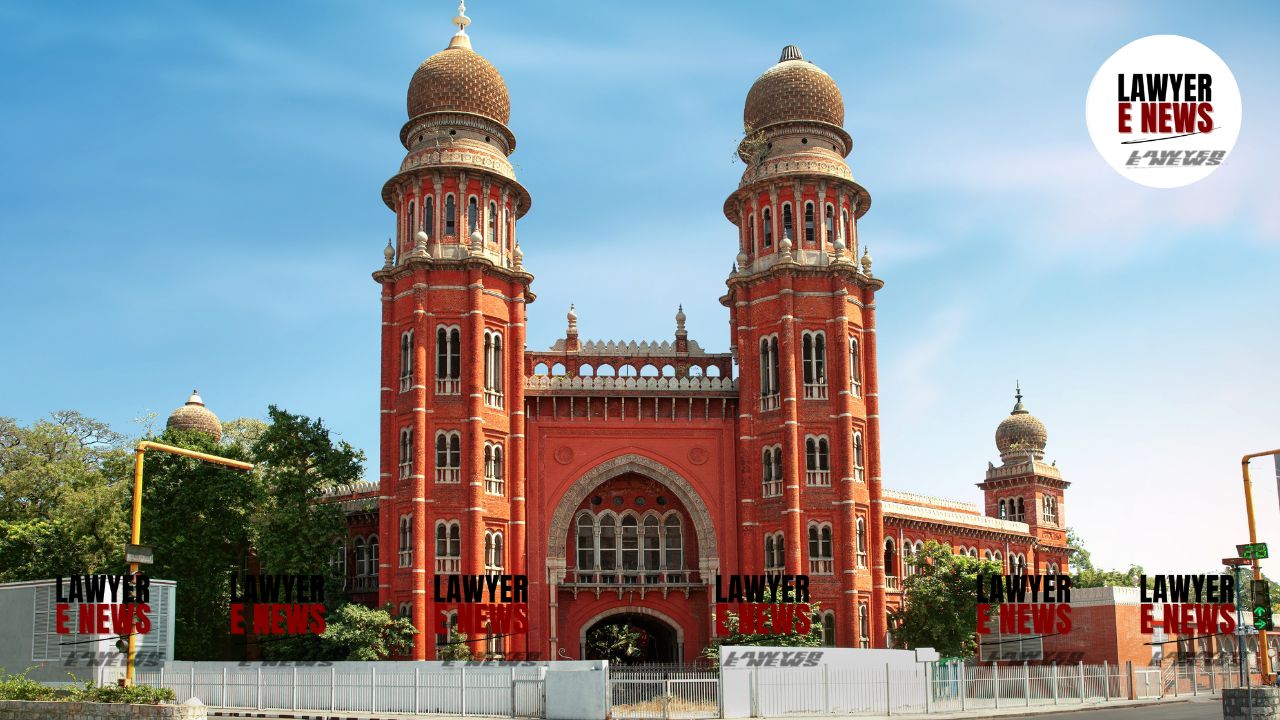
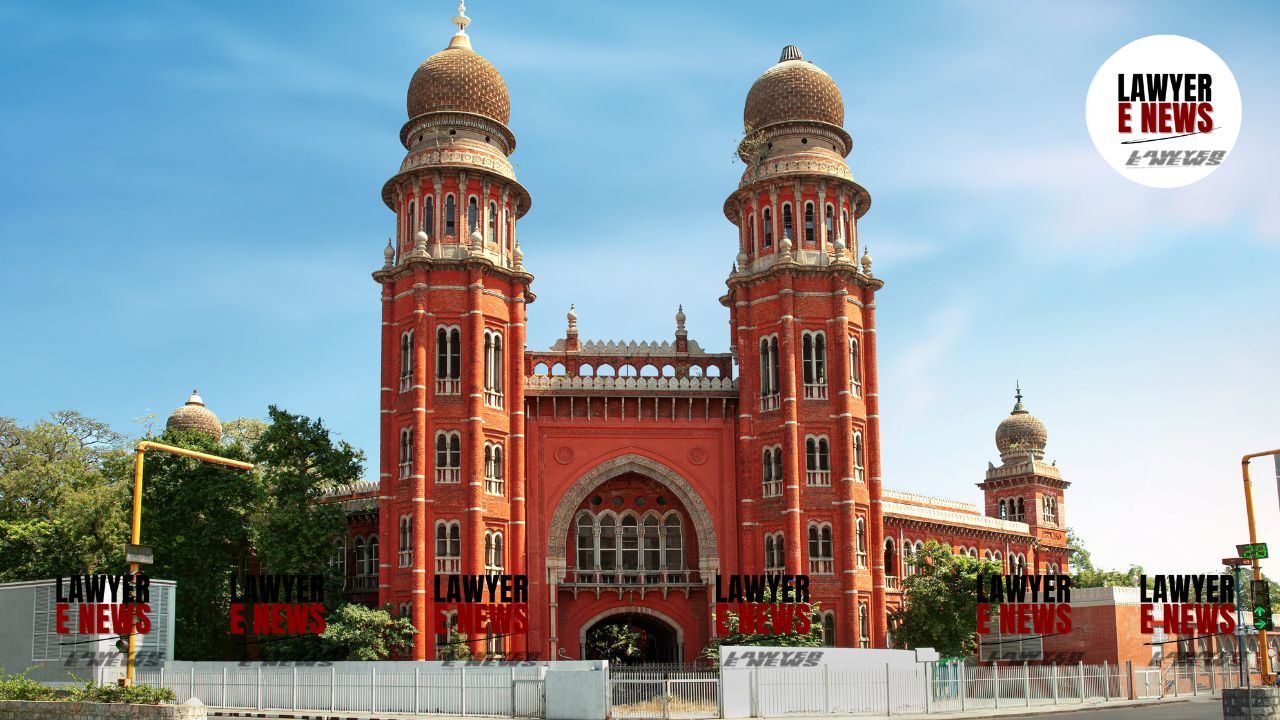
“Right to Speedy Trial Is Not a Dead Letter in the Constitution” – In a significant judgment that brings closure to one of the most turbulent chapters in Tamil Nadu's legal history, the Madras High Court on 27 November 2025, quashed all criminal proceedings against five police constables who were accused of assaulting lawyers during the 2009 Madras High Court violence. Justice M. Nirmal Kumar held that a 16-year delay in taking cognizance of charges, absence of credible identification, and the blind prosecution of low-ranking constables acting under superior orders amounted to nothing more than "an abuse of process and an exercise in futility."
The Court noted emphatically:
“The blaming game is over, long time passed by, the incident of 19.02.2009 is now in oblivion.”
“You Can’t Identify a Face Behind a Helmet – Much Less Prosecute It”
The case arose from the tragic and chaotic events of 19 February 2009, when a clash between lawyers and police inside the Madras High Court spiraled into a full-blown confrontation. The violence left several lawyers, judges, staff, and even a sitting High Court Judge injured. Following this, the CBI was directed to investigate and file charges. Five constables were named as accused based solely on blurry media photographs and video clips, without any Test Identification Parade, or certification under the Information Technology Act.
In a strongly worded observation, the Court stated:
“How they put a name to the face is highly doubtful. The photographs are blurred and the lathi-wielding police all wore helmets with visors. No identification parade was conducted.”
Noting that the prosecution’s case lacked legal foundations, the Court criticized the subjective nature of visual identification and emphasized that it is “not just unreliable but impermissible in criminal law without due procedural safeguards.”
“Obeying Orders in Chaos Cannot Be a Crime – When the State Itself Was on Fire”
The Court acknowledged the volatile law and order situation on the day of the clash, describing the High Court campus as a “war zone”. The petitioners, all low-ranking police constables, were part of a larger police force mobilized in anticipation of a violent escalation. The Bench noted that they acted on commands from senior officers and had no personal enmity against anyone.
“The petitioners are constables at the lowest rung… Their service motto is to obey orders. They were not aggressors but responders. Prosecution against such personnel serves no purpose.”
Justice Nirmal Kumar reminded the court that deterrence cannot be built by targeting scapegoats, and that discipline in law enforcement must go hand in hand with accountability at the top, not just the bottom.
“Justice Delayed Is Injustice Lived – 16 Years of Uncertainty Cannot Be Called a Trial”
One of the most damning observations in the judgment came in reference to the unexplained 16-year delay in the magistrate court taking cognizance of the case, despite the charge sheets having been filed way back in 2010. The Court called it a “procedural paralysis” that "crippled the lives and careers of the accused."
“Due to the pendency of the prosecution, they are black marked and their service prospects are affected. One of them even died during service and his family is denied terminal benefits,” the Court recorded.
Citing Supreme Court precedents like Raj Deo Sharma v. State of Bihar and Pankaj Kumar v. State of Maharashtra, the Court reaffirmed that the right to speedy trial is not aspirational, but a fundamental right under Article 21 of the Constitution. It observed:
“Inordinate delay, not attributable to the accused, is sufficient to terminate prosecution, especially when evidence is lacking and the continuation is futile.”
“Police and Lawyers Are Not Rivals – They’re Pillars of the Justice System”
Drawing from the Full Bench judgment of 2009, the Court concluded with a reminder that "reconciliation and institutional harmony" must be the guiding principle going forward. Extracting from paragraph 603 of the earlier order, the Court observed:
“Police and lawyers are two wings of the institution. Functioning of courts depends upon the harmonious relationship between the two.”
Justice Nirmal Kumar noted that the incident is now a part of history, and efforts should be focused on healing and forward movement rather than digging up old animosity:
“Let better counsel prevail. The time to bury the hatchet came long ago. Keeping this prosecution alive would only revive old wounds with no gain for justice.”
The Madras High Court’s decision sends a clear message – that justice must not only be done, it must be timely, and that prosecution cannot become persecution. In quashing the proceedings, the Court protected the spirit of fair trial, the dignity of uniformed service, and above all, the constitutional guarantee of due process.
“This case leads to a path of nowhere. In the interest of justice, the proceedings are quashed,” the Court concluded, acquitting all the petitioners.
The matter that once shook the corridors of justice has now been laid to rest — not in silence, but in constitutional clarity.
Date of Decision: 27 November 2025