-
by sayum
26 August 2026 10:38 AM








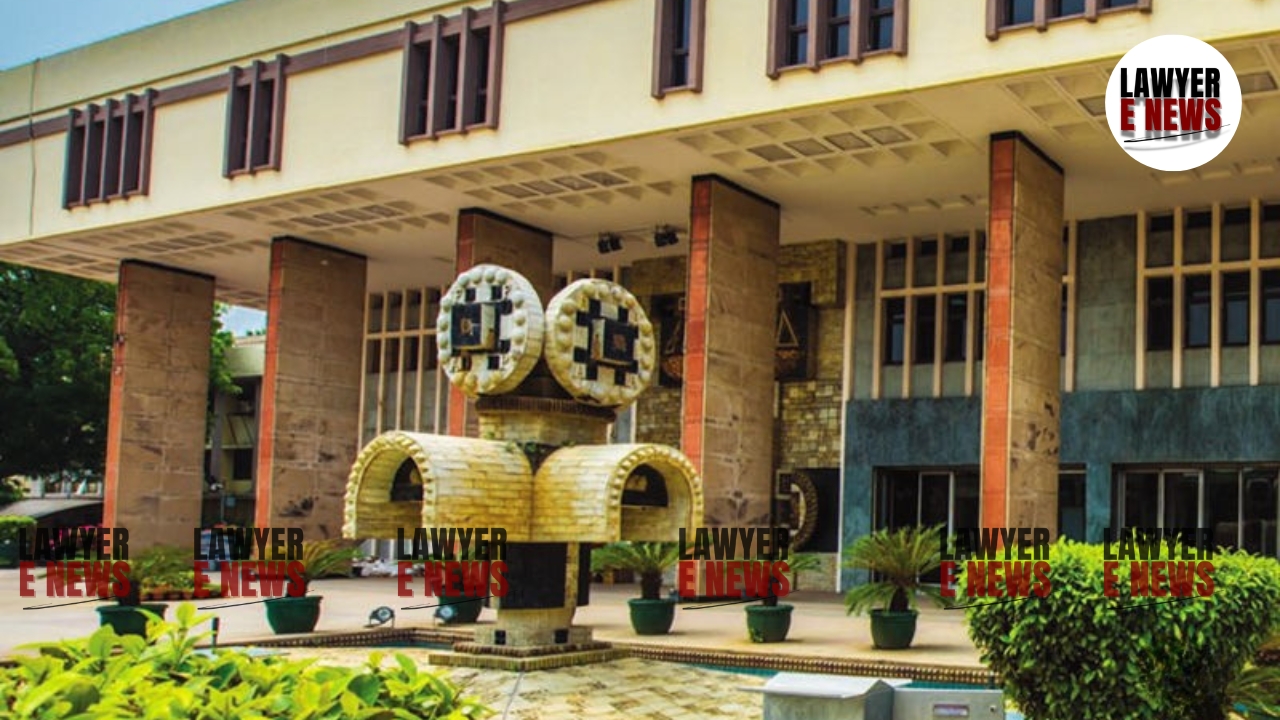
"Financial Dependence Must Be Genuine, Not a Choice" – The Delhi High Court has ruled that an educated and capable woman cannot seek maintenance solely by remaining unemployed, reinforcing the principle that maintenance under Section 125 CrPC is meant for those genuinely unable to sustain themselves, not for those who deliberately choose financial dependence. Dismissing a plea seeking interim maintenance, the Court upheld the Family Court's order rejecting the wife’s claim, stating that her ability to earn and past employment history proved that she was not financially destitute.
Delivering the judgment in Megha Khetrapal v. Rajat Kapoor, Justice Chandra Dhari Singh emphasized that the purpose of maintenance is to provide support to those in genuine financial distress, not to encourage idleness. The Court noted that the petitioner was highly qualified, holding a Master's degree from the University of Wollongong, Australia, and had previously worked as an Audit Associate at KPMG Dubai before marriage. The Court stated, "A person who is educated, capable, and has a history of gainful employment cannot claim financial helplessness merely to extract maintenance from a spouse."
A Failed Marriage Turns Into a Legal Battle Over Maintenance Claims
The petitioner, Megha Khetrapal, married the respondent, Rajat Kapoor, on December 11, 2019, in New Delhi. The couple soon moved to Singapore, where Rajat was employed. However, the marriage soured, and Megha alleged that she faced cruelty from her husband and in-laws, forcing her to return to India on February 20, 2021. She claimed that her husband revoked her spousal visa, leaving her stranded in Singapore without financial support, compelling her to sell her jewelry to return home.
After her return, she began living with her maternal uncle due to financial difficulties. In June 2021, she filed a petition under Section 125 CrPC, seeking maintenance from her husband and claiming that she had no independent income. She sought ₹3,25,000 per month, citing her husband's high earnings in Singapore. However, the Family Court dismissed her application for interim maintenance on November 5, 2022, leading her to challenge the decision before the High Court.
Delhi High Court Finds No Justification for Granting Maintenance to an Educated and Employable Woman
The High Court upheld the Family Court’s ruling, emphasizing that Megha Khetrapal was highly educated, capable of earning, and had deliberately avoided seeking employment. The Court noted that she had concealed details of her professional qualifications and previous employment in her income affidavit, which was only revealed through her LinkedIn profile and the respondent’s submissions.
Justice Chandra Dhari Singh, citing Supreme Court precedents in Rajnesh v. Neha (2021) 2 SCC 324 and Shailja v. Khobbanna (2018) 12 SCC 199, observed that "capable of earning and actually earning are two different things, but when a person is qualified, employable, and has prior work experience, the burden shifts on them to show genuine financial incapacity."
The Court took into account WhatsApp conversations between the petitioner and her mother, where her mother advised her not to take up a job as it would affect her alimony claims. The Court remarked that "this conversation, along with her refusal to disclose her full qualifications, indicates that the claim for maintenance is motivated by an attempt to extract financial support rather than genuine need."
Court Rejects Claim That Husband's Job Loss Nullifies His Financial Responsibility
The petitioner argued that her husband was financially well-off, earning ₹27,22,723 per month in Singapore, while she was left without support. However, the respondent countered that he had lost his job and was currently unemployed. The Court noted that while the husband's financial status was relevant, the wife’s ability to earn was equally important. The burden of proof to demonstrate financial distress was on the petitioner, and she failed to establish it.
Justice Chandra Dhari Singh stated that "a husband’s obligation to maintain his wife does not automatically end with job loss, but at the same time, a wife who is capable of self-sufficiency cannot deliberately remain unemployed to claim maintenance."
The Court also referred to Manish Jain v. Akanksha Jain (2017) 15 SCC 801, where the Supreme Court held that maintenance should not become a tool for financial oppression. It noted that maintenance is meant for those who genuinely require support and not for educated individuals choosing idleness as a strategy for financial gain.
Final Judgment: Maintenance Denied, Petitioner Encouraged to Seek Employment
Upholding the Family Court’s order dated November 5, 2022, the High Court dismissed the revision petition and ruled that the petitioner was not entitled to interim maintenance. The Court reasoned that since she possessed a foreign master's degree, had a successful professional background, and had no physical or legal impediment to seeking employment, she could not claim financial helplessness.
Justice Chandra Dhari Singh, in his concluding remarks, stated, "Section 125 CrPC is designed to protect those who are genuinely in need, not to perpetuate dependence when self-sufficiency is possible. The petitioner is well-qualified and capable of earning; she must make efforts to sustain herself instead of seeking maintenance from her husband."
A Precedent That Reinforces Personal Responsibility in Maintenance Cases
The Delhi High Court’s ruling in Megha Khetrapal v. Rajat Kapoor reinforces the legal principle that maintenance is meant for genuine financial assistance, not for those who intentionally avoid employment to claim monetary support. The judgment serves as a strong precedent ensuring that educated and capable individuals take responsibility for their own financial well-being rather than relying on maintenance as a substitute for employment.
Date of Decision: 19 March 2025