Judicial Review Is Not A Substitute For Examiner’s Judgment: Delhi High Court Rejects DJSE Candidate’s Plea Over Alteration of Marks Part-Payments Extend Limitation - Each Payment Revives Limitation: Delhi High Court Non-Stamping Renders A Document Inadmissible, Not Void – Defect Is Curable Once Duty Is Paid: Punjab & Haryana High Court Upholds Specific Performance MP High Court Upholds Ladli Behna Yojana Criteria; Rules Registration Deadlines and Age Limits Fall Under Executive Domain Criminal Courts Are Not Recovery Agents: Orissa High Court Grants Bail in ₹3.5 Crore Land Fraud Cases Citing Article 21 and Terminal Illness 304 Part I IPC | Sudden Fight Between Brothers Over Mud House Construction: Jharkhand High Court Converts Murder Conviction To Culpable Homicide When Rape Fails, Section 450 Cannot Stand: Orissa High Court Acquits Accused of House-Trespass After Finding Relationship Consensual Concurrent Eviction Orders Will Not Be Reopened Under Article 227: Madras High Court Section 128 Contract Act | Surety’s Liability Is Co-Extensive: Kerala High Court Upholds Recovery from Guarantors’ Salary Custodial Interrogation Not Warranted When Offences Are Not Punishable With Death or Life: Karnataka High Court Grants Anticipatory Bail to Deputy Tahsildar in Land Records Case Order VIII Rules 3 & 5 CPC | Silence Is Admission: State’s Failure To Specifically Deny Hiring Amounts To Acceptance: JK HC Consumer | No Complete Deficiency In Service — Excess Rainfall Also To Blame: Supreme Court Halves Compensation In Groundnut Seed Crop Failure Case Development Cannot Override The Master Plan: Supreme Court Nullifies Cement Unit CLU In Agricultural Zone Negative Viscera Report Is Not a Passport to Acquittal: Madras High Court Confirms Life Term of Parents for Poisoning Mentally Retarded Daughter Observations Have Had a Demoralising and Chilling Effect: Allahabad High Court Judge Recuses from Bail Matter After Supreme Court’s Strong Remarks Controversial YouTube Remarks On ‘Black Magic Village’ Not A Crime: Gauhati High Court Quashes FIR Against Abhishek Kar “Failure To Specifically Deny Allegations Amounts To Admission”: J&K High Court Reiterates Law Under Order VIII CPC Section 293 Cr.P.C. Does Not Bar Examination of Expert When DNA Report Is Disputed: MP High Court Medical Evidence Trumps False Alibi: Allahabad HC Upholds Conviction In Matrimonial Murder Where Strangulation Was Masked By Post-Mortem Burning Helping Young Advocates Is Not A Favour – It Is A Need For A Better Justice System: Rajasthan High Court Section 82 Cr.P.C. | Mere Non-Appearance Does Not Ipsi Facto Establish Absconding: Punjab & Haryana High Court Sets Aside Order Declaring Student Abroad as Proclaimed Person

Higher Qualification No Ground for Dismissal: Kerala HC Sets Aside Disciplinary Proceedings Against Bank Employee for Possessing SSLC Qualification

07 May 2024 8:19 AM

By: Admin


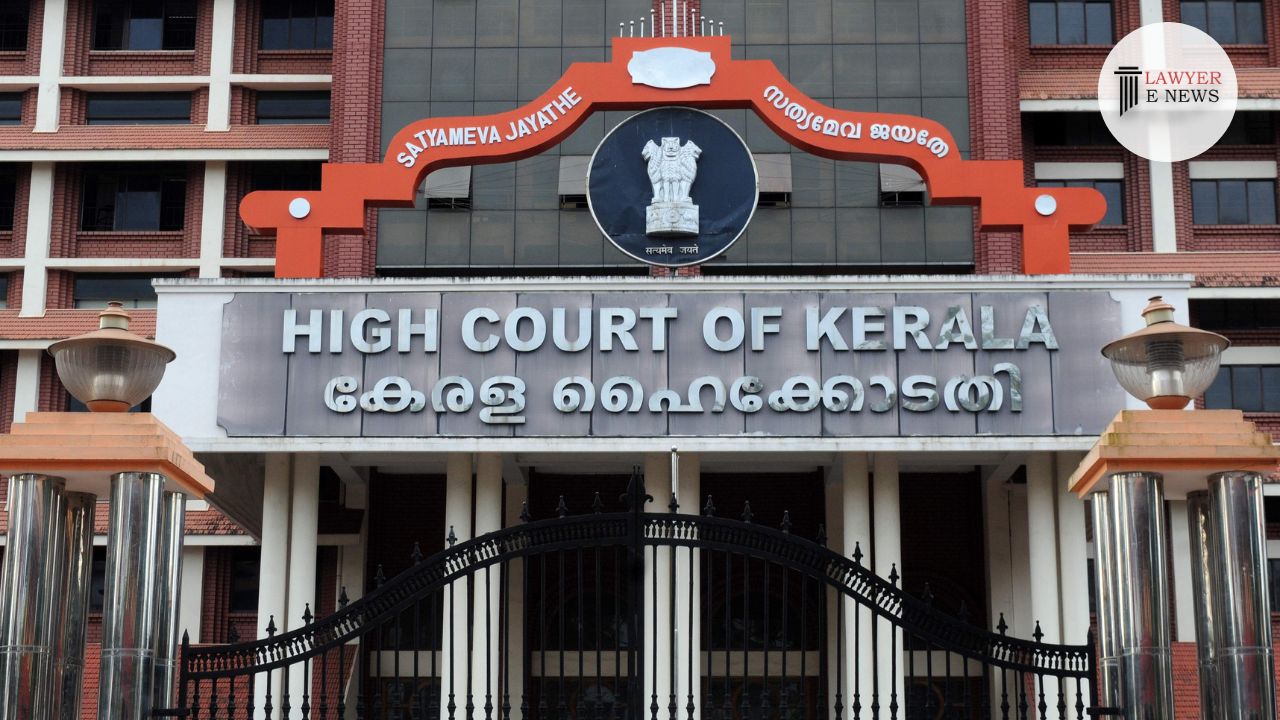
The High Court of Kerala, in a significant judgment, has quashed the disciplinary proceedings against a bank employee, T.D. Sreejakumari, who was dismissed from service for possessing higher educational qualifications than required for her post.

The court highlighted the critical issue of whether possessing higher educational qualifications can be a ground for dismissal from service. It addressed the principles of natural justice in disciplinary proceedings, especially the employee’s right to respond to an enquiry report before the disciplinary authority reaches a conclusion.

T.D. Sreejakumari, a Full-Time House Keeper cum Peon at Union Bank of India, faced dismissal for allegedly possessing SSLC qualification instead of the required 7th standard. The bank charged her with submitting a fraudulent certificate and making false statements. Sreejakumari challenged her dismissal, claiming a violation of natural justice and disproportionate disciplinary action.

Justice P.V. Kunhikrishnan, presiding over the case, observed, “In some cases, higher qualification itself is a disqualification for getting appointment in certain posts.” The court found that the disciplinary proceedings against Sreejakumari were initiated without giving her a chance to respond to the enquiry report, a violation of natural justice principles established in the landmark judgment of Managing Director, ECIL, Hyderabad v. B. Karunakar.

The judgment stated, “This is illegal and against the principle laid down by the Apex Court in ECIL’s case (supra).” The court also noted the disproportionate nature of the disciplinary action and directed the respondents to re-evaluate the necessity and appropriateness of continuing the disciplinary proceedings.

The court quashed the disciplinary proceedings against Sreejakumari, directing the respondents to reconsider the proceedings in compliance with natural justice principles and specific circumstances of the case.

 Date of Decision: February 14, 2024

T.D. Sreejakumari vs Union Bank of India & Ors.

Latest Legal News