-
by sayum
10 October 2026 8:11 AM







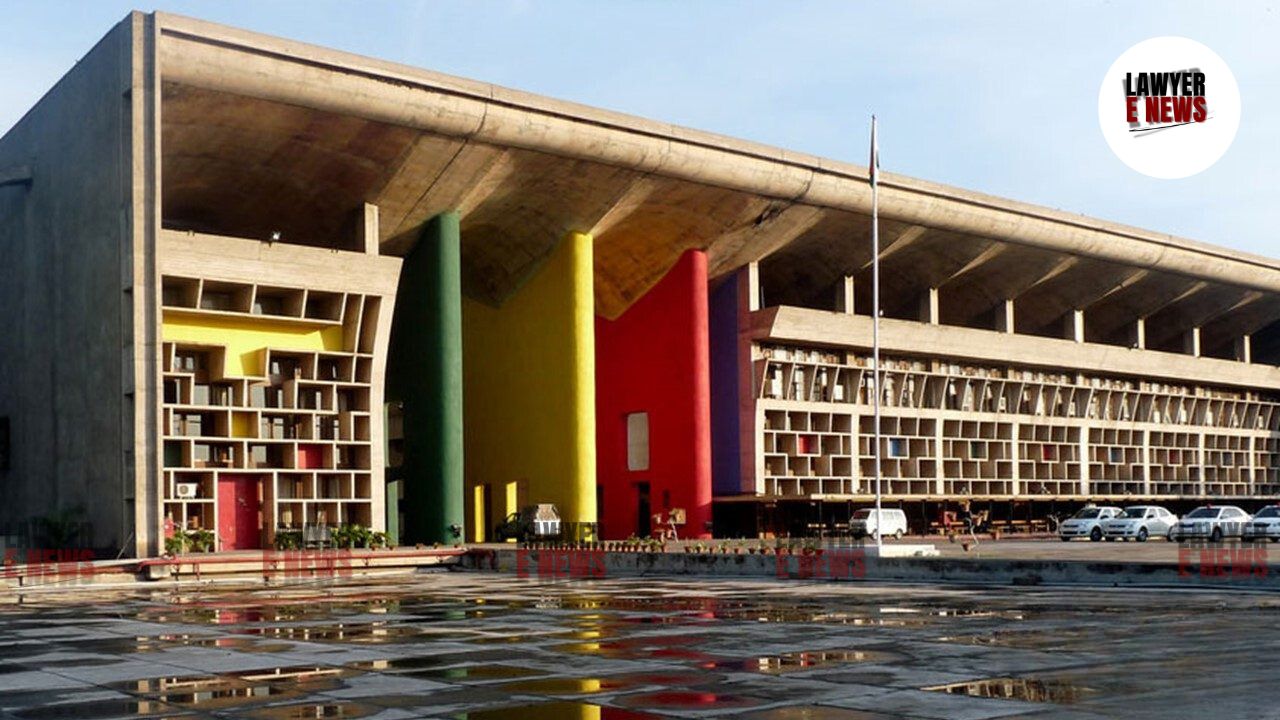
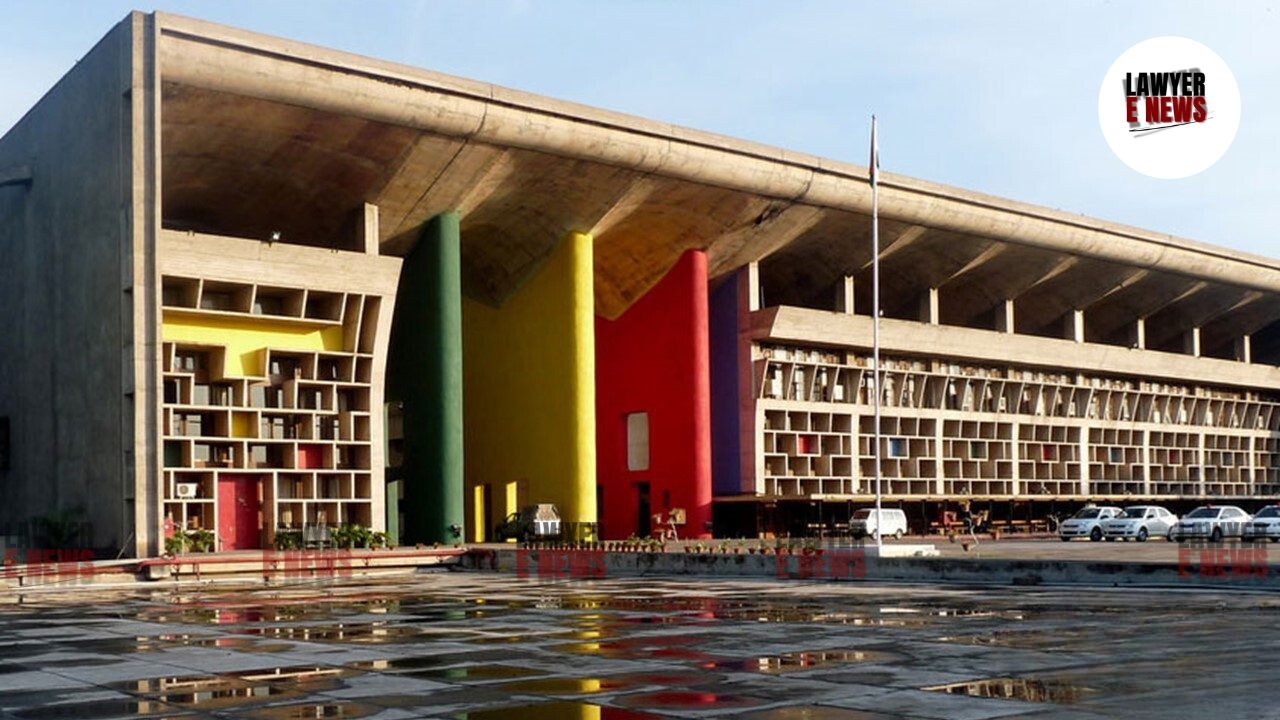
"It is only in cases where civil suit is for possession or for declaration of title in respect of the same property and where reliefs regarding protection of the property concerned can be applied for and granted by the civil court that proceedings under Section 164 BNSS should not be allowed to continue." Punjab and Haryana High Court, in a ruling, upheld the appointment of a Receiver by an Executive Magistrate under Section 164 of the Bharatiya Nagarik Suraksha Sanhita (BNSS), 2023, observing that where neither title nor possession is clearly established and the land faces a potential breach of peace, the state must step in to prevent the property from falling into disuse.
A bench of Justice Vikram Aggarwal held that the Executive Magistrate exercised a "practical view" in attaching the property to prevent conflict, noting that when competing parties are locked in multiple rounds of litigation without a clear winner, the court cannot remain a silent spectator to law and order disturbances.
The dispute concerns a land parcel of approximately 69 Kanals in Panipat, Haryana. The petitioners and respondents have been locked in protracted litigation involving a civil decree, an execution petition dismissed for lack of jurisdiction, and a separate claim by the local Gram Panchayat asserting the land is 'shamlat deh' (common village land). Despite multiple civil proceedings pending before various courts, the parties approached the Sub-Divisional Magistrate (SDM) alleging threats to their possession and imminent conflict, prompting the initiation of proceedings under Section 164 BNSS.
The primary question before the court was whether the initiation of proceedings under Section 164 BNSS and the subsequent appointment of a Tehsildar as a Receiver were legally sustainable when civil litigation regarding the title and possession of the same land was already pending before competent courts.
The court examined the scope of Section 164 BNSS, which empowers an Executive Magistrate to intervene when a dispute concerning land is likely to cause a breach of peace. The court noted that while Section 164 is not a tool to bypass civil courts, it is not barred simply because a civil suit exists. The bench reiterated the ratio from the Supreme Court in Amresh Tiwari v. Lalta Prasad Dubey, emphasizing that proceedings under this section should only be quashed if the civil court has already been approached for protective reliefs that would make the magistrate's intervention redundant.
Court Clarifies Scope Of Section 164 BNSS
The bench observed that the objective of Section 164 is the maintenance of public order, not the adjudication of property rights. "Where the dispute is not as regards the right to possession but is with regard to the question of possession i.e. who is in possession, proceedings under Section 164 BNSS can be initiated," the court remarked. However, it cautioned that if a civil court is already seized of the matter and capable of granting interim protection, the magistrate should normally defer to that jurisdiction.
"When the reports indicate that one of the parties is in possession, rightly or wrongly, the Magistrate cannot pass an order of attachment on the ground of emergency."
In the present case, the court found the situation uniquely complex due to the intervention of the Gram Panchayat, which challenged the very nature of the land. Because no party could demonstrate a clear-cut title or undisputed physical possession, the court held that the SDM was justified in preventing the land from becoming 'banjar' (barren) by appointing the Tehsildar as a Receiver. The court highlighted that harvesting the crops and depositing the proceeds in the government treasury was a prudent administrative measure in the face of ongoing civil uncertainty.
High Court Rejects Need For Interference
The High Court observed that the Additional Sessions Judge had correctly performed a revisionary check and found no error in the SDM’s assessment. The court noted that the petitioners’ plea to quash the order amounted to a "second revision," which is generally impermissible. By refusing to interfere, the High Court effectively maintained the status quo until the pending Civil Revision (CR-701-2026) is decided, ensuring that the land remains under state supervision rather than becoming a theater for localized violence.
"The Court of Additional Sessions Judge, Panipat also noticed that both parties were disputing the possession of each other and wanted to harvest the crop on the spot despite none of them having a clear title as yet."
The petition was ultimately dismissed as devoid of merit. The court affirmed that as long as the magistrate acts to preserve the peace and protect the property from being left to decay, the appointment of a Receiver serves the broader interest of justice until a civil court definitively resolves the underlying title conflict.
Date of Decision: 26 August 2026