-
by sayum
10 August 2026 1:57 PM







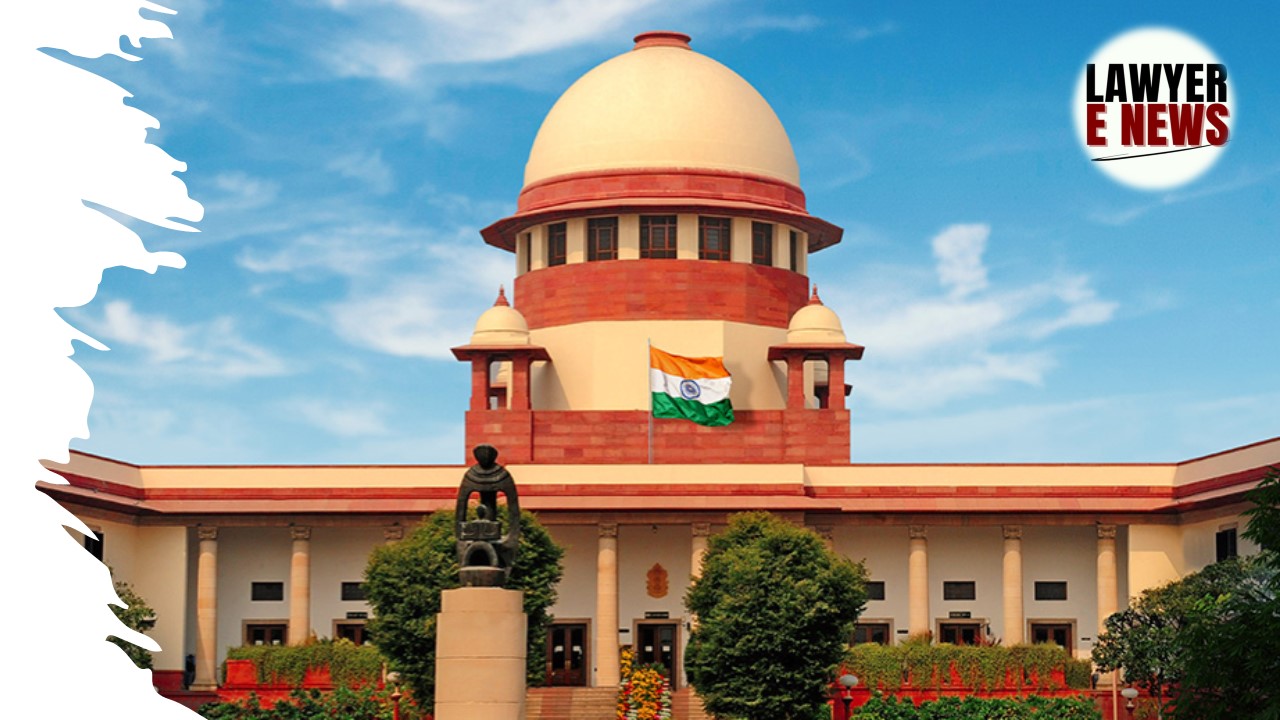
“Once MSME Triggers Section 18, All Private Agreements Yield to Statute”: In a powerful endorsement of the statutory protections granted to Micro and Small Enterprises, the Supreme Court of India ruled that contractual arbitration clauses specifying a particular seat or forum do not prevail over the statutory scheme under the MSMED Act, 2006. Supreme Court held that once a supplier invokes the Micro and Small Enterprises Facilitation Council under Section 18, the parties are bound to proceed within that framework, regardless of any prior arbitration agreement.
“A private agreement between the parties cannot obliterate the statutory provisions,” declared a Bench comprising Justice Pamidighantam Sri Narasimha and Justice Joymalya Bagchi, restoring the arbitral proceedings initiated by the Delhi Facilitation Council against ISRO, which had been stayed by the Karnataka High Court on the ground that the contract specified Bengaluru as the seat of arbitration.
The dispute arose when the Indian Space and Research Organisation (ISRO) awarded a contract for the construction of staff quarters in New Delhi to M/s Harcharan Dass Gupta, a Delhi-based MSME. The agreement dated 11.09.2017 included arbitration clauses stating that disputes would be resolved in Bengaluru.
When disputes emerged, the MSME supplier invoked Section 18 of the MSMED Act, initiating proceedings before the Facilitation Council in Delhi. As ISRO refused to participate, the matter progressed to arbitration under the aegis of the Delhi Arbitration Centre. The arbitrator accepted the claim and directed ISRO to file its defence.
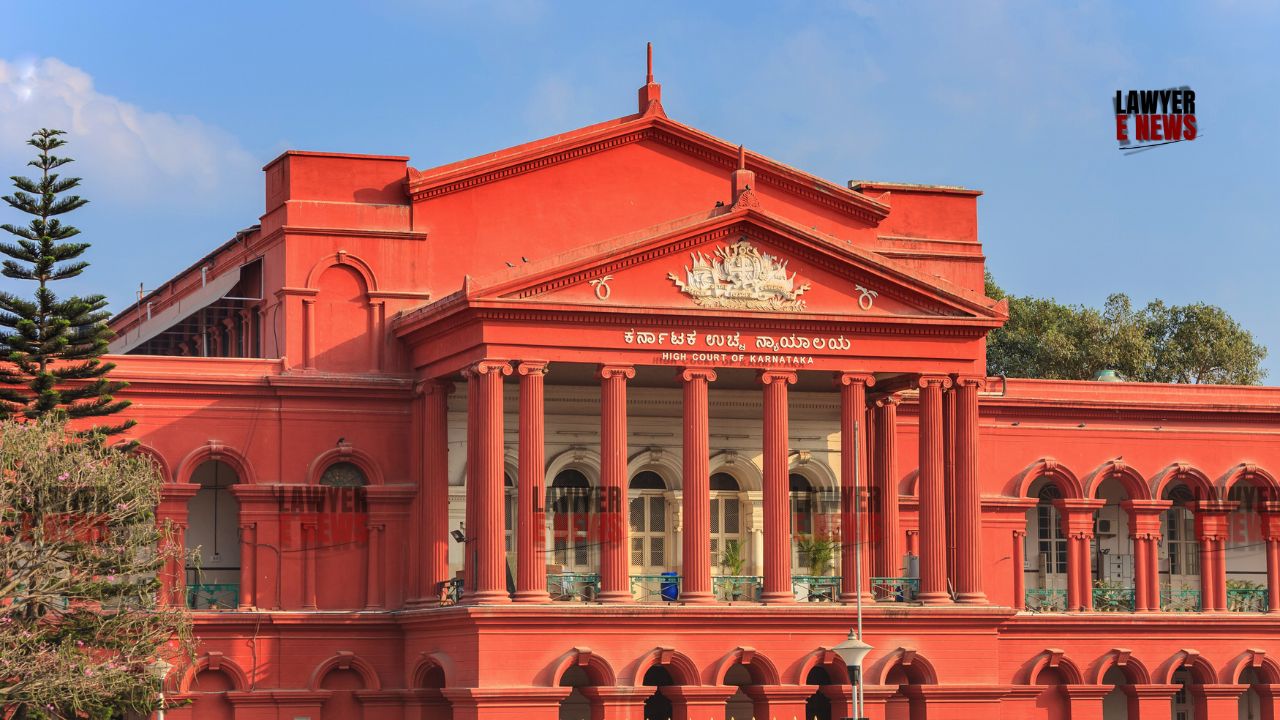
Instead of responding, ISRO approached the Karnataka High Court, which ruled that the Delhi Arbitration Centre lacked jurisdiction due to the contractual clause specifying Bengaluru as the seat. The Supreme Court reversed that finding, holding that statutory mechanism under MSMED overrides any such agreement.
“MSMED Act Is a Special Law That Overrides the Arbitration Act”
Referring to its own precedent in Gujarat State Civil Supplies Corporation Ltd. v. Mahakali Foods Pvt. Ltd., the Supreme Court reaffirmed:
“The MSMED Act, 2006 being a special law and the Arbitration Act, 1996 being a general law, the provisions of the MSMED Act would have precedence.”
The Court categorically rejected the notion that an arbitration clause under the Arbitration and Conciliation Act, 1996 could curtail the MSME’s right to seek redress under Section 18:
“Even if the Arbitration Act is treated as a special law, the MSMED Act, having been enacted subsequently, would still have an overriding effect.”
“Sub-sections (1) and (4) of Section 18 contain specific non obstante clauses that override any law in force.”
“Once Statutory Mechanism Is Triggered, Private Clause Cannot Defeat It”
The Court dismantled ISRO’s argument that the parties had agreed to arbitrate in Bengaluru, noting:
“Once the statutory mechanism under sub-section (1) of Section 18 is triggered by any party, it would override any other agreement independently entered into between the parties.”
“A private arbitration clause cannot be used to frustrate a protective mechanism enacted by Parliament.”
In particular, the Court found no merit in the contention that the absence of the word ‘agreement’ in Section 18 implied the continued supremacy of private contracts. On the contrary:
“It is a substantial right created in favour of the party under the said provision.”
“Jurisdiction Lies Where the MSME Is Located – Not Where the Buyer Prefers”
Reinforcing the territorial application of the MSMED Act, the Court held:
“The Facilitation Council or the arbitration centre shall have jurisdiction where the supplier is located… notwithstanding anything contained in any other law for the time being in force.”
The appellant was registered as an MSME in Delhi, and thus, the Delhi Facilitation Council was fully competent to take cognizance of the dispute and refer it for arbitration.
“Statutory Arbitration Supersedes Even the Bar Under Section 80 of Arbitration Act”
Addressing the concern that a conciliator under the MSMED Act cannot later act as arbitrator under Section 80 of the Arbitration Act, the Court held that:
“The bar under Section 80 stands superseded by the provisions contained in Section 18 read with Section 24 of the MSMED Act.”
“When the Council or an institution acts as arbitrator under Section 18(3), it does so with all the powers of an arbitral tribunal under the 1996 Act, and is competent to rule on its own jurisdiction.”
With clarity and conviction, the Supreme Court has cemented the primacy of the MSMED Act’s dispute resolution mechanism, ensuring that MSMEs are not sidelined by dominant buyers through private arbitration clauses.
This ruling is a watershed moment for small enterprises, who can now rely on the statutory machinery of Facilitation Councils to assert their rights, even when contracts attempt to steer them elsewhere.
“The MSMED Act was enacted to empower the small and vulnerable. That purpose would be defeated if private parties could contract around it.”
Date of Decision: May 14, 2025