-
by sayum
23 October 2026 6:29 PM







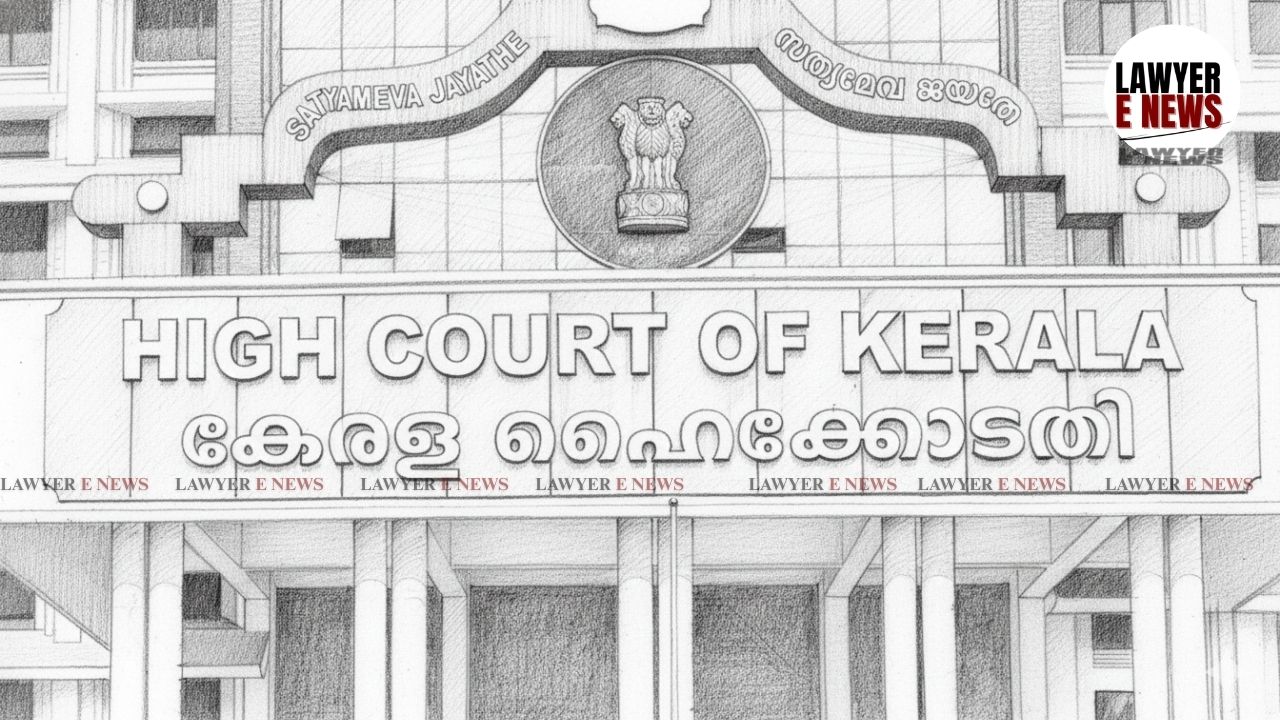
"Though the petitioner had initially entered appearance before the Workmen’s Compensation Commission, Thiruvananthapuram, through counsel, this fact does not compel me to hold that the petitioner was not entitled to further notice when the case was transferred to Kollam and thereafter when it was re-transferred to Thiruvananthapuram." Kerala High Court, in a ruling dated October 1, 2026, held that a party is entitled to fresh notice upon the transfer of a case between different judicial forums, even if they had entered an appearance before the original court.
A bench of Justice Gopinath P. observed that the failure of service of notice following case transfers violates the principles of natural justice, regardless of earlier appearances.
Failure of Notice After Transfers
The petitioner challenged an ex-parte compensation order passed by the Employees’ Compensation Commissioner (Industrial Tribunal & Employees’ Insurance Court), Thiruvananthapuram. The case had originally been filed in 2011 before the Workmen’s Compensation Commissioner, Thiruvananthapuram. Subsequently, the matter was transferred to the Industrial Tribunal in Kollam and later re-transferred to the Industrial Tribunal in Thiruvananthapuram.
Procedural Lapses and Denied Opportunity
The petitioner contended that he was unaware of the proceedings after the transfers, as notices sent to his address were returned unserved with the postal endorsement "Not Known." The party-respondents argued that the petitioner had already entered an appearance through counsel in the original court and was willfully evading service. The Court was required to determine whether the initial appearance absolved the Tribunal of its obligation to serve notice upon subsequent transfers of the case between different jurisdictional authorities.
Court Rejects Constructive Notice Argument
The Court, upon reviewing the records, noted that the notices issued by the Industrial Tribunals at Kollam and Thiruvananthapuram were indeed returned unserved. The Court firmly held that the previous appearance before the original Commissioner did not exempt the authorities from ensuring the petitioner was properly notified of the proceedings once the case file was moved to different tribunals.
Requirement of Fair Adjudication
The bench emphasized that the right to contest proceedings is a fundamental aspect of the principles of natural justice. The Court reasoned that judicial transfers, which often lead to re-numbering and logistical changes in case management, require courts to exercise due diligence in serving parties. Relying on this, the Court set aside the impugned ex-parte award and the orders refusing to condone the delay in seeking to set aside the ex-parte judgment.
Court Mandates Fresh Adjudication
Finding the procedural lapses sufficient to warrant interference, the Court directed the parties to appear before the Industrial Tribunal in Thiruvananthapuram on October 9, 2026. The matter is now to be disposed of afresh within a period of three months. To balance the equities, given the long pendency of the claim since 2011, the Court imposed a conditional requirement for the petitioner to pay Rs. 1,00,000 as provisional compensation.
Provisional Payment as a Condition
The Court clarified that the payment is a strictly provisional measure pending the final outcome of the case. In a significant direction to ensure the timely conclusion of the proceedings, the Court ruled that if the petitioner fails to pay the specified amount within one month, his right to file a defense before the Commissioner will stand struck off.
Date of Decision: 01 October 2026