-
by sayum
24 October 2026 7:15 PM







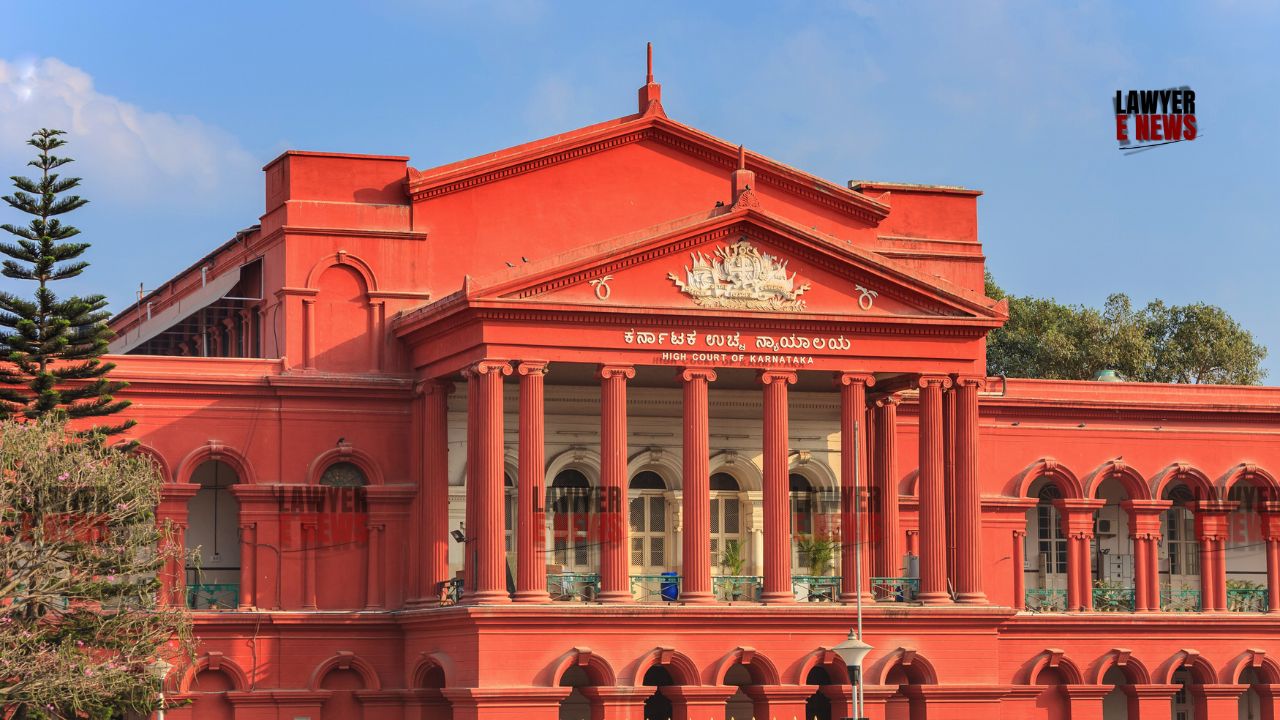
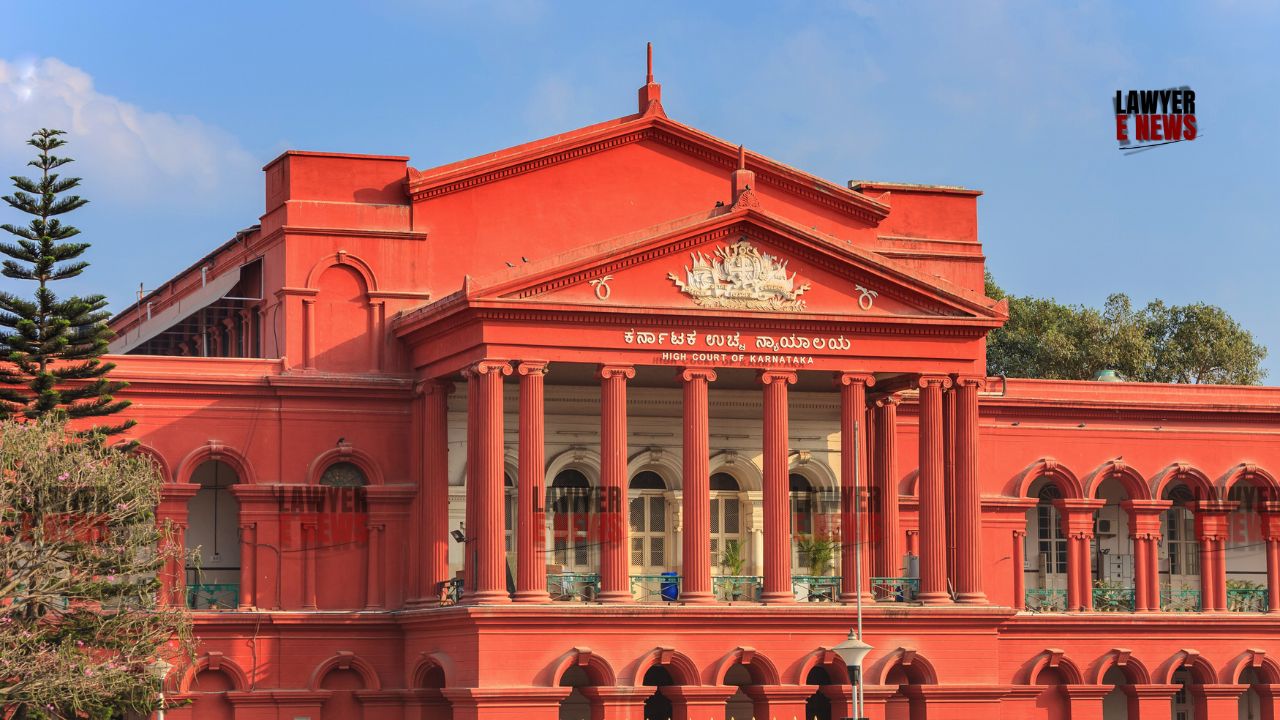
"The very sanctity of recording the statement under Section 183 BNSS, 2023, by the jurisdictional Magistrate has been frustrated in the present case by the Investigating Officer and this practice cannot be appreciated." Karnataka High Court, in a significant ruling dated September 23, 2026, held that once a victim’s statement has been recorded under Section 183 of the Bharatiya Nagarik Suraksha Sanhita (BNSS), 2023, before a jurisdictional Magistrate, the Investigating Officer (IO) is precluded from independently recording a further statement.
A bench of Justice S. Vishwajith Shetty observed that such procedural deviations undermine the judicial process and the evidentiary sanctity of statements recorded before a Magistrate.
Procedural Irregularity in Investigation
The petitioner had approached the High Court seeking anticipatory bail in connection with a POCSO case registered by the Kolar Women Police Station. The FIR was initially registered for kidnapping, but following a second statement recorded by the IO—long after the victim’s initial statement was recorded by the Magistrate—additional grave charges under the Bharatiya Nyaya Sanhita (BNS) and the POCSO Act were added. The court noted that the victim’s initial statement to the Magistrate contained no allegations of sexual assault against the petitioner.
Court Criticizes Overreach of Investigating Agency
The bench expressed deep concern over the IO’s conduct in recording a "further statement" of the victim without reverting to the judicial officer. The Court emphasized that if a subsequent statement is required after the formal recording under Section 183 of the BNSS, the investigator must produce the victim before the jurisdictional Magistrate again, rather than taking it upon themselves to supplement the record.
Sanctity of Magistrate-Recorded Statements
The Court underscored that the legislature enacted provisions for recording statements before a Magistrate specifically to ensure the reliability and voluntary nature of the victim's testimony. By bypassing this statutory mechanism, the IO effectively compromised the integrity of the investigation. The Court held that the subsequent statement, obtained unilaterally by the police, lacked the procedural safeguards intended by the BNSS, thereby casting doubt on the prosecution's case.
"The very sanctity of recording the statement under Section 183 BNSS, 2023, by the jurisdictional Magistrate has been frustrated in the present case by the Investigating Officer and this practice cannot be appreciated."
Grant of Anticipatory Bail
Given the glaring discrepancies between the victim’s initial statement before the Magistrate and the subsequent version procured by the IO, the Court found it a fit case to exercise its discretion in favor of the petitioner. The High Court allowed the petition for anticipatory bail, directing the petitioner to cooperate with the ongoing investigation while imposing stringent conditions, including the execution of a personal bond of Rs. 1,00,000 and the requirement to appear before the trial court.
The ruling serves as a stern reminder to law enforcement agencies regarding the limitations of their power when dealing with sensitive statements of victims, reinforcing that the judiciary remains the final arbiter of procedural fairness in criminal trials. The order clarifies that investigative convenience cannot be permitted to override the statutory protections afforded to victims and the accused during the pre-trial phase.
Date of Decision: 23 September 2026