-
by sayum
24 October 2026 1:47 PM







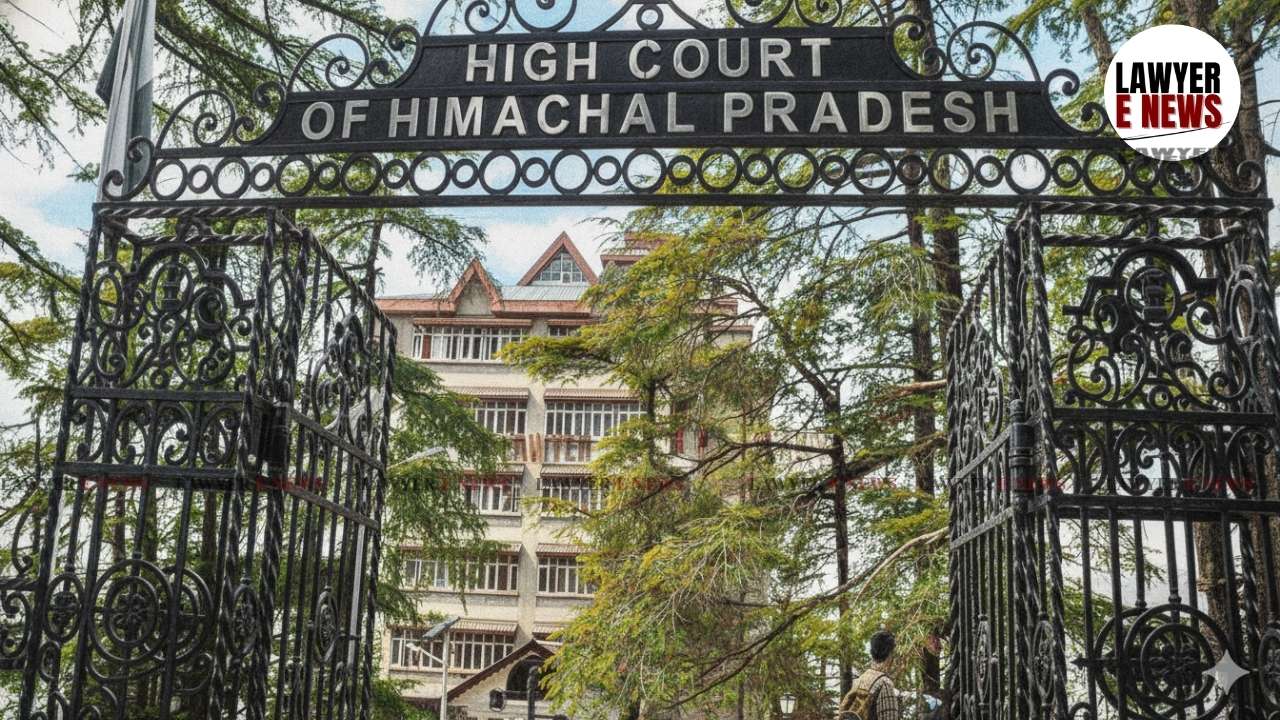
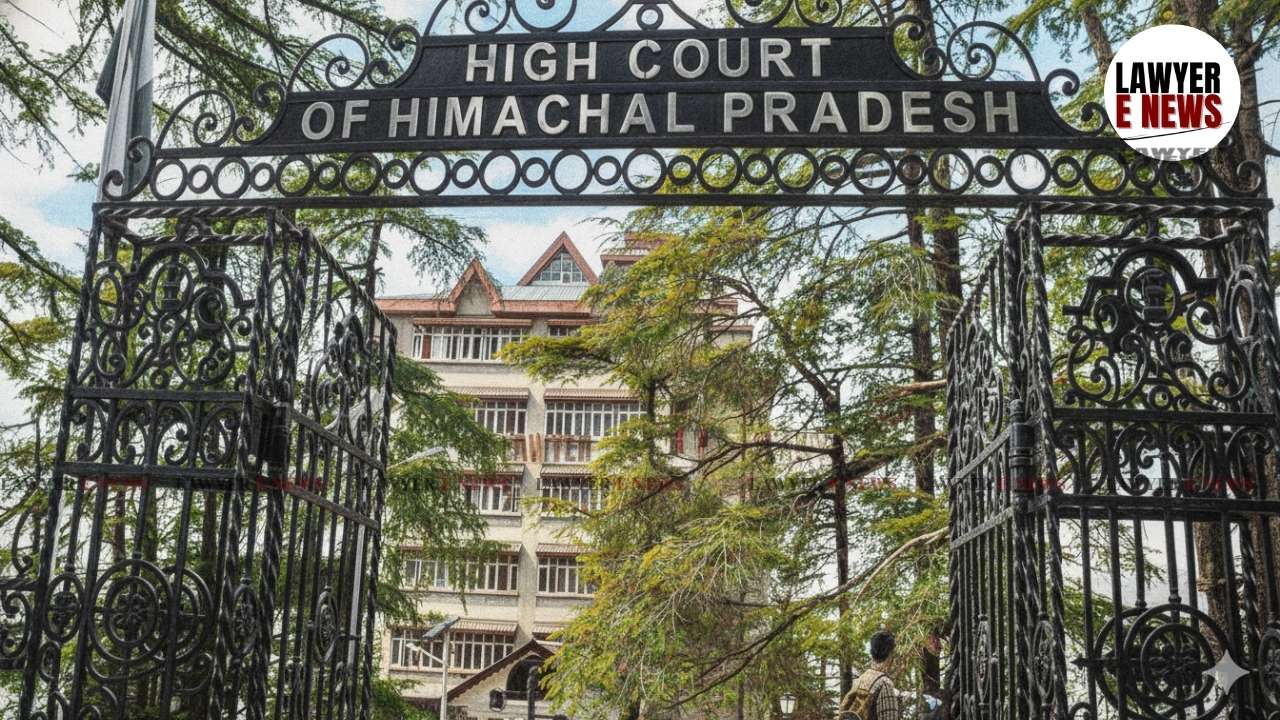
"The existence of a seal can be proved by its production. The Court cannot presume that the sample was kept in safe custody, more especially when such a fact is established by a written document, namely register (s) and certificate in Register No. 21, which is not produced." Himachal Pradesh High Court held that the failure of the prosecution to produce the primary case property before the court and the absence of clear link evidence regarding the safe handling of samples mandates the benefit of doubt for the accused.
A bench presided by Justice Rakesh Kainthla observed that when the prosecution fails to establish the integrity of the seized items from the point of recovery to the forensic laboratory, the resulting chain of custody break is fatal to the case.
The State had appealed against a 2013 appellate court judgment that acquitted the respondent, Tarsem Singh, of charges under the Punjab Excise Act. The prosecution alleged that police had intercepted a vehicle carrying 58 boxes of country liquor and 5 boxes of beer, from which samples were supposedly drawn, sealed, and sent for chemical analysis. The trial court had initially convicted the accused, but the appellate court overturned this, noting material contradictions in the police evidence and the lack of proper sealing or identification of the recovered goods.
The court was called upon to determine whether the prosecution could sustain a conviction when the primary case property was not produced in court and when there was no evidence establishing that the specimen seal used at the scene was ever deposited or transmitted to the chemical examiner. The bench also examined the scope of interference with an order of acquittal under the established parameters of criminal jurisprudence.
Discrepancies in Prosecution Testimony
The court observed significant inconsistencies in the testimonies of the police officials regarding the location of the incident. While one witness placed the spot within the jurisdiction of Jawali on a busy state highway, another witness claimed it was within the Kehrian Panchayat and denied the presence of traffic. The court ruled that such discrepancies in the fundamental facts of the recovery cast a shadow on the entire prosecution narrative, necessitating the benefit of doubt to be extended to the accused.
Failure to Produce Case Property
The bench underscored that the non-production of the bulk case property—the 58 boxes of liquor and 5 boxes of beer—renders the prosecution's case fragile. Relying on Pawan Kumar v. State of H.P., the court reiterated that mere production of a seizure memo is not a substitute for the physical evidence itself. Without the production of the primary evidence, the court cannot be certain that the samples sent to the laboratory were indeed drawn from the contraband allegedly seized from the accused.
Missing Link Evidence Regarding Seals
Crucially, the court found that the prosecution witnesses failed to testify that the specimen seal impression was ever deposited in the Malkhana or sent to the CTL Kandaghat laboratory. The court noted that in the absence of evidence confirming the safe custody of the seal, the lab report’s mention that seals were "found intact and tallied" is rendered meaningless.
"The report of analysis could not have been used to conclude that the bottles and pouches contained country liquor and beer in them."
No Evidence of Safe Custody
The court emphasized that the prosecution is under a mandatory duty to prove the entire chain of custody, from the moment of seizure to the final forensic analysis. Because the police failed to produce the road certificate or register entries showing the transit of the samples, the possibility of tampering could not be ruled out. Consequently, the court held that the appellate court’s view was a reasonable one and refused to interfere with the order of acquittal.
The High Court dismissed the State's appeal, affirming that when the prosecution fails to provide a complete, unbroken chain of evidence regarding the handling of samples and seals, a conviction cannot be sustained. The accused was directed to furnish bail bonds under Section 437-A CrPC (now Section 481 of the Bharatiya Nagarik Suraksha Sanhita, 2023) to remain available for potential future proceedings.
Date of Decision: 24 September 2026