
-
by sayum
03 October 2026 9:56 AM







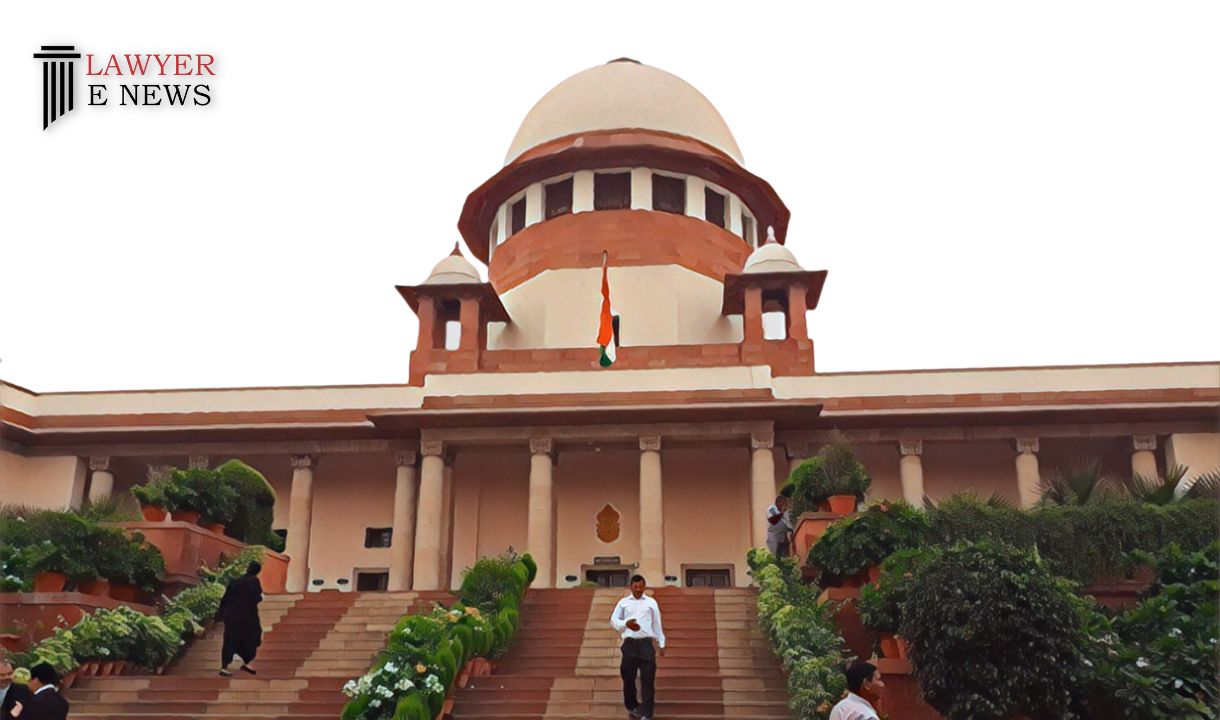
In a significant ruling, the Supreme Court of India dismissed an election petition filed by a respondent against a returned candidate for failure to state material facts. The judgment, delivered by a bench comprising Justices Ajay Rastogi and Bela M. Trivedi, emphasized the importance of stating material facts in an election petition as required by the law.
The case revolved around Section 83(1)(a) of the Representation of the People Act, 1951, which mandates that an election petition should contain a concise statement of material facts. The court clarified that material facts are primary and basic facts that constitute the cause of action for the petitioner. Failure to state even a single material fact can result in an incomplete cause of action and may lead to the dismissal of the petition.
The court referred to several previous judgments to establish the legal principles governing the requirement of stating material facts. It emphasized that material facts must be pleaded by the petitioner to prove their cause of action and provide a basis for the allegations made in the petition. The court highlighted the distinction between material facts and particulars, stating that material facts are necessary to support the case, while particulars provide details and evidence to substantiate the material facts.
The court further observed that an election petition is a serious matter and should not be treated lightly or used for vexatious purposes. It emphasized that the election petition must contain all material facts within the period of limitation to enable the opposite party to understand the case they have to face. Omission of a material fact, even a single one, can result in the dismissal of the petition for not disclosing a cause of action.
Analyzing the specific case before them, the court found that the respondent-election petitioner had made bald and vague allegations without stating material facts regarding non-compliance with the provisions of the Constitution, the Representation of the People Act, or any relevant rules. The court noted that the petitioner failed to adequately explain how such non-compliance had materially affected the election result, as required under Section 100(1)(d)(iv) of the Representation of the People Act.
The court also addressed the argument raised by the petitioner that the appellant-returned candidate had suppressed certain information in Form 26, which is required to be filled along with the nomination papers. However, the court held that the petitioner failed to provide specific material facts regarding the alleged suppression, rendering the petition insufficient to establish a cause of action.
Supreme Court dismissed the election petition under Order VII Rule 11(a) of the Code of Civil Procedure read with Section 83(1)(a) of the Representation of the People Act, 1951. The court set aside the judgment of the High Court and allowed the appeals filed by the appellant-returned candidate.
Date: May 4, 2023
KANIMOZHI KARUNANIDHI vs SANTHANA KUMAR & ORS.