Consensual Relationship That Later Turns Sour Is Not Rape: Andhra Pradesh High Court Grants Bail in Breach of Promise Case Double Presumption of Innocence Applies; No Interference Unless Trial Court Judgment Is Perverse: Allahabad High Court in Murder Appeal Under BNSS A Single Act of Corruption Warrants Dismissal – 32 Years of Service Offers No Immunity: Punjab & Haryana High Court Upholds ASI’s Removal Suit Against Trustee Without Charity Commissioner’s Consent Is Statutorily Barred: Bombay High Court Mutation Order Without Notice Cannot Stand in Law: Orissa High Court Quashes Tahasildar's Rejection for Violating Natural Justice Illegal Remand Without Production of Accused Is Not a Technical Lapse, But a Constitutional Breach: Andhra Pradesh High Court Grants Bail in Major NDPS Case Inherent Power Under Section 528 BNSS Not a Substitute for Article 226 When FIR Is Under Challenge Without Chargesheet or Cognizance Order: Allahabad High Court Possession Without Title Is Legally Insubstantial: Gujarat HC Dismisses Appeal By Dairy Cooperative Over Void Land Transfer You Can Prosecute a Former Director, But You Can’t Force Him to Represent the Company: Calcutta High Court Lays Down Clear Limits on Corporate Representation in PMLA Cases Conviction Cannot Rest on Tainted Testimony of Injured Witnesses in Isolation: Bombay High Court Acquits Five in Murder Case One Attesting Witness is Sufficient if He Proves Execution and Attestation of Will as Required by Law: AP High Court Land Acquisition | Delay Cannot Defeat Just Compensation: P&H High Court Grants Enhanced Compensation Despite 12-Year Delay in Review Petitions by Landowners Allegations Implausible, Motivated by Malice: Kerala High Court Quashes Rape Case After Finding Abuse Claims a Counterblast to Civil Dispute Adoptions Under Hindu Law Need No Approval from District Magistrate: Madras High Court Declares Administrative Rejection of Adoptive Birth Certificate as Illegal

Supreme Court Clarifies “20% Deposit Not Mandatory in Cases Under Section 138 of N.I. Act

07 May 2024 8:19 AM

By: Admin


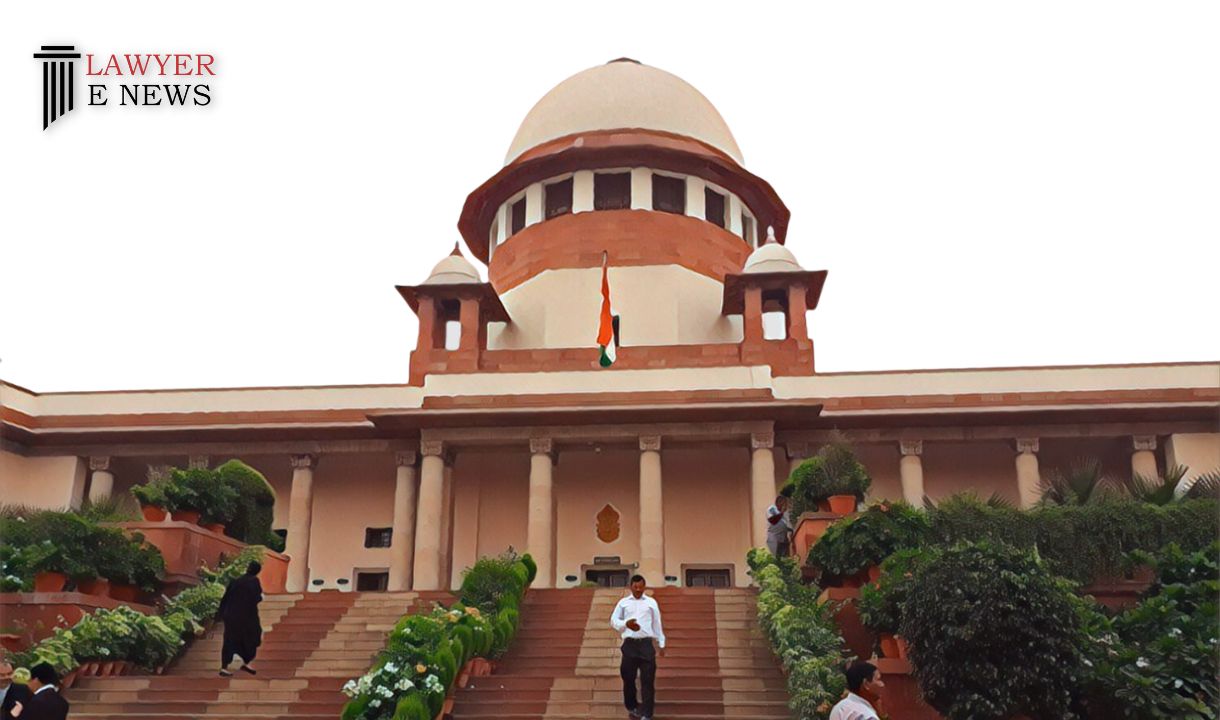
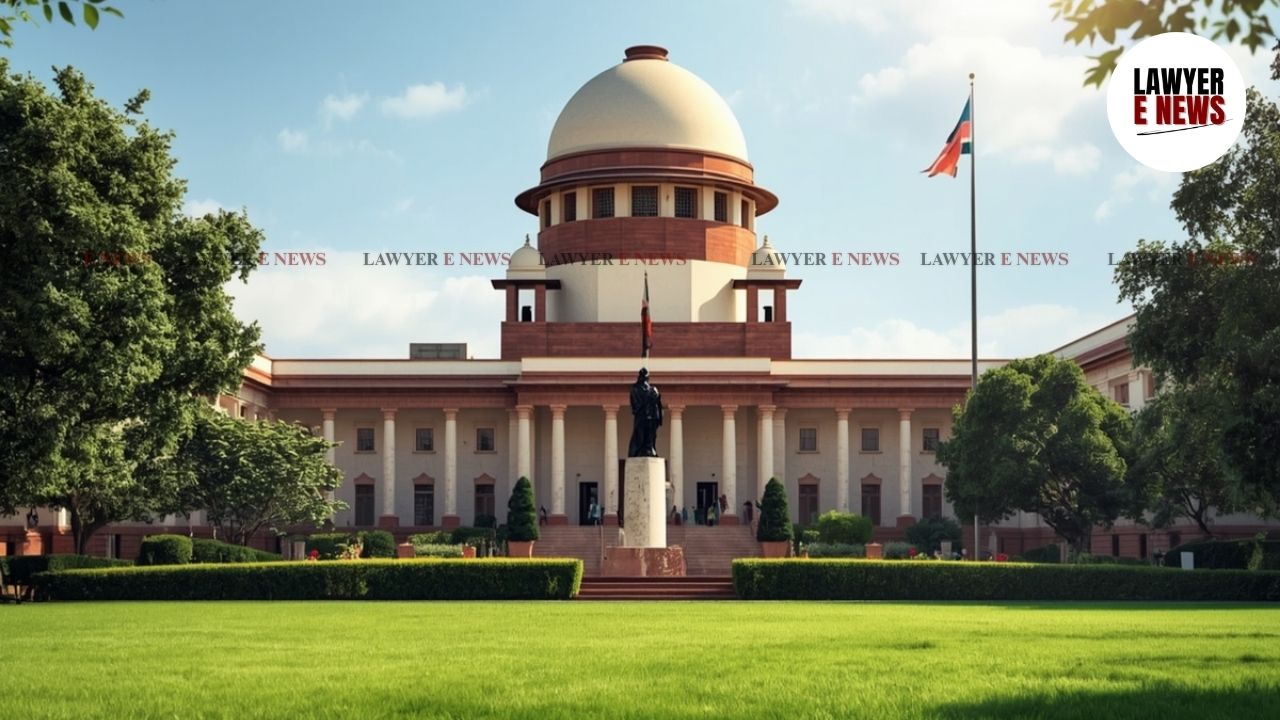
In a landmark judgment delivered on September 4, a Supreme Court bench led by Justice Abhay S. Oka and Justice Pankaj Mithal has provided critical insights into Section 138 of the Negotiable Instruments Act, 1881 (N.I. Act). The Court clarified that “depositing 20% is not an absolute rule but allows for exceptions based on circumstances,” overturning the High Court’s decision.

The Supreme Court heard an appeal against the High Court’s ruling, which mandated that appellants must deposit at least 20% of the compensation/fine amount as per Section 148 of the N.I. Act. The Court observed that the term “may” in Section 148 should not be read as “shall,” indicating that there’s room for judicial discretion.

Further deepening the verdict, the Court pointed out that under Section 389 of the Code of Criminal Procedure, 1973 (Cr.P.C.), an appellate court has the discretion to consider waiving the 20% deposit requirement in exceptional cases. “If it decides to do so, the reasons must be specifically recorded,” added Justice Oka.

The judgment also explicitly mentioned that both the Sessions Court and the High Court were wrong in assuming that the 20% deposit rule is without exceptions. “Both courts were wrong in assuming that the 20% deposit rule has no exceptions,” read the observation.

The Supreme Court set aside the High Court’s decisions and restored the petitions for reconsideration. “The High Court’s orders are set aside, and the petitions are restored for reconsideration based on this judgment,” concluded the Court.

Legal experts believe this judgment will serve as a pivotal guide for future cases concerning Section 138 of the N.I. Act. It also raises important questions about the judiciary’s role in interpreting laws, emphasizing the importance of a nuanced understanding that takes individual circumstances into account.

Date of Decision: September 4, 2023

JAMBOO BHANDARI      vs M.P. STATE INDUSTRIAL DEVELOPMENT CORPORATION LTD. & ORS.

Latest Legal News