Order VIII Rules 3 & 5 CPC | Silence Is Admission: State’s Failure To Specifically Deny Hiring Amounts To Acceptance: JK HC Mere Entry, Abuse Or Assault Is Not Civil Contempt – Willfulness And Dispossession Must Be Clearly Proved: Bombay High Court Magistrate Cannot Shut Eyes To Final Report After Cognizance – Supplementary Report Must Be Judicially Considered Before Framing Charges: Allahabad High Court Examination-in-Chief Alone Cannot Sustain Conviction Amid Serious Doubts: Delhi High Court Upholds Acquittal in Grievous Hurt Case Employees Cannot Pick Favourable Terms and Reject the Rest: Bombay High Court Upholds SIDBI’s Cut-Off Date for Pension to CPF Optees Cannot Reclaim Absolute Ownership After Letting Your Declaration Suit Fail: AP High Court Enforces Finality in Partition Appeal Death Due to Fat Embolism and Delayed Treatment Is Not Culpable Homicide: Orissa High Court Converts 30-Year-Old 304 Part-I Conviction to Grievous Hurt Fabricated Lease Cannot Be Sanctified by Consolidation Entry: Orissa High Court Dismisses 36-Year-Old Second Appeal Rules of the Game Were Never Changed: Delhi High Court Upholds CSIR’s Power to Prescribe Minimum Threshold in CASE-2023 Resignation Does Not Forfeit Earned Pension: Calcutta High Court Declares Company Superannuation Benefit as ‘Wages’ Under Law Fraud Vitiates Everything—Stranger Can File Independent Suit Against Compromise Decree: Bombay High Court Refuses to Reject 49-Year-Old Challenge at Threshold Mere Long Possession By One Co-Owner Does Not Destroy The Co-Ownership Right Of The Other: Madras High Court State Cannot Hide Behind An Illegal Undertaking: Punjab & Haryana High Court Questions Denial Of Retrospective Regularization Sentence Cannot Be Reduced to Two Months for Four Life-Threatening Stab Wounds: Supreme Court Restores 3-Year RI in Attempt to Murder Case Suspicion, However Grave, Cannot Substitute Proof: Apex Court Reaffirms Limits of Section 106 IEA Accused at the Time of the Statement Was Not in the Custody of the Police - Discovery Statement Held Inadmissible Under Section 27: Supreme Court Failure to Explain What Happened After ‘Last Seen Together’ Becomes an Additional Link: Supreme Court Strengthens Section 106 Evidence Act Doctrine Suicide in a Pact Is Conditional Upon Mutual Participation — Survivor’s Resolve Reinforces the Act: Supreme Court Affirms Conviction Under Section 306 IPC Participation in Draw Does Not Cure Illegality: Supreme Court Rejects Estoppel in Arbitrary Flat Allotment Case Nepotism and Self-Aggrandizement Are Anathema to a Democratic System: Supreme Court Quashes Allotment of Super Deluxe Flats by Government Employees’ Welfare Society Liberty Is Not Absolute When It Becomes a Threat to Society: Supreme Court Cancels Bail of Alleged ₹6.5 Crore Fraud Mastermind Magistrate’s Power Is Limited — Sessions Court May Yet Try the Case: Supreme Court Corrects High Court’s Misconception in ₹6.5 Crore Fraud Bail Order Dacoity Cannot Be Presumed, It Must Be Proved: Allahabad High Court Acquits Villagers After 43 Years, Citing ‘Glaring Lapses’ in Prosecution Case When the Judge Signs with the Prosecutor, Justice Is Already Compromised: MP High Court Quashes Tainted Medical College Enquiry Strict Rules Of Evidence Do Not Apply To Proceedings Before The Family Court: Kerala High Court Upholds Wife’s Claim For Gold And Money Commission Workers Cannot Claim Status of Civil Servants: Gujarat High Court Declines Regularization of Physically Challenged Case-Paper Operators Non-Wearing of Helmet Had a Direct Nexus with Fatal Head Injuries  : Madras High Court Upholds 25% Contributory Negligence for Helmet Violation Only a ‘Person Aggrieved’ Can Prosecute Defamation – Political Party Must Be Properly Represented: Karnataka High Court Quashes Case Against Rahul Gandhi

Right to protest must be balanced against fundamental rights of others - P&H HC

07 May 2024 8:19 AM

By: Admin


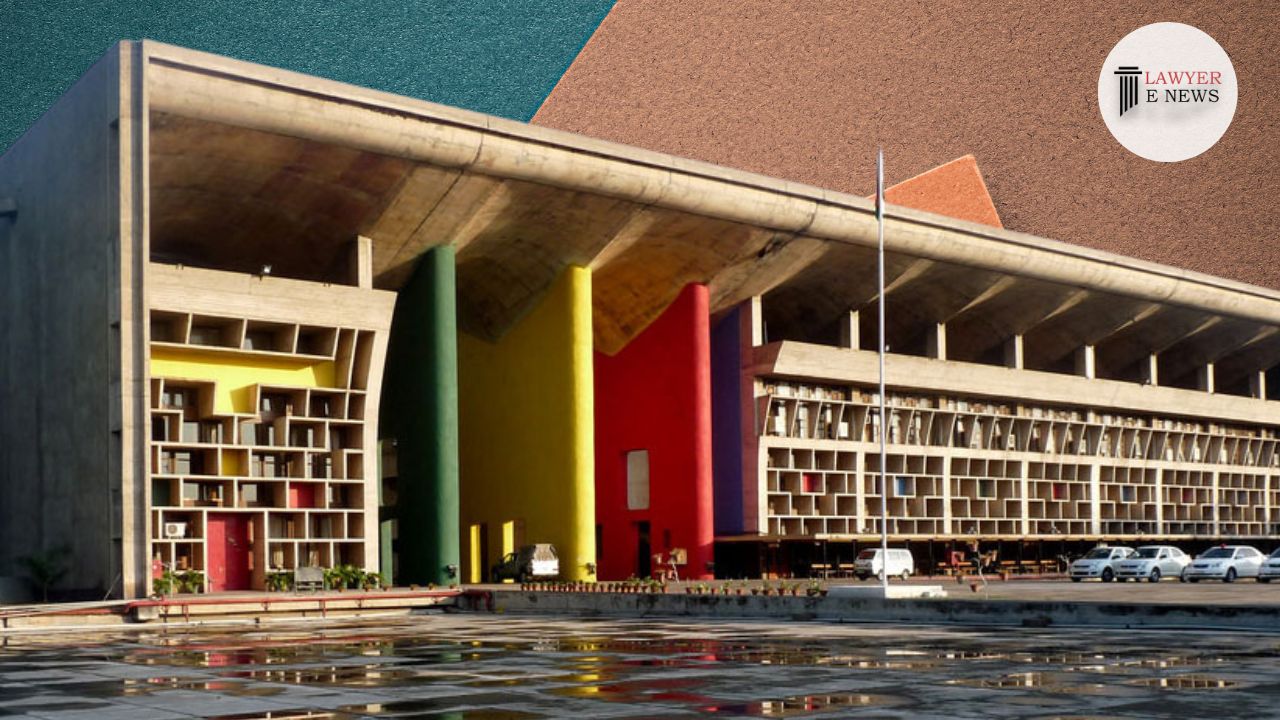
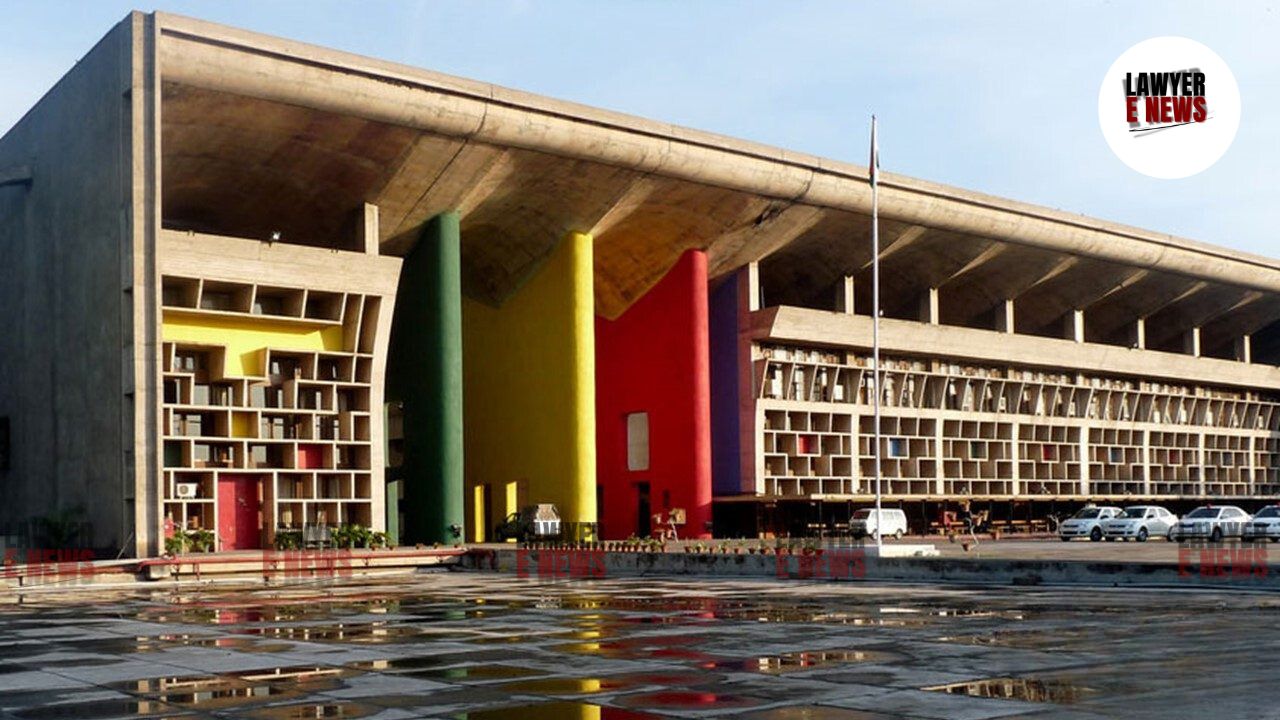
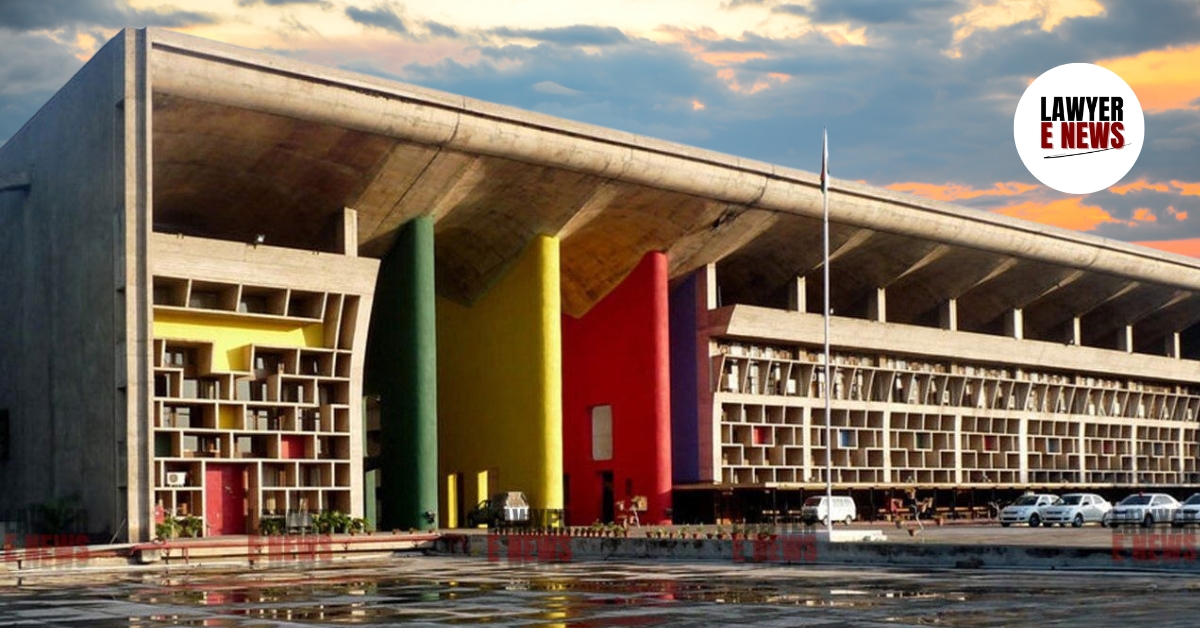
P&H HC held in a recent Judgement (Neetu Bajaj and Anr.  Vs. State of Haryana & Oth. D.D. 04 March 2023) that the respondents' right to protest must be balanced against the fundamental rights of others, and any protest that causes inconvenience to the public must be dealt with in a manner that ensures the least possible disruption to the public. The Court directed the respondents to exercise their right to protest peacefully and in a manner that respects the rights of others.

Two residents of District Panchkula have filed a writ petition highlighting the inconvenience caused by a Dharna on the main road connecting Panchkula to Chandigarh. The road blockade is causing problems for daily commuters, ambulances, school buses, pedestrians, and creating extra traffic on other roads. The petitioners argue that the blockade is causing suffering to patients, and people are finding it difficult to reach their workplaces on time. The Chandigarh Administration has imposed Section 144 of the Code of Criminal Procedure, 1973, and taken necessary precautions. The Haryana Administration has invoked Sections 133 and 144 of the Code of Criminal Procedure, 1973, and registered an FIR against the protesters. Efforts are being made to resolve the issue amicably, and one side of the road has been cleared for commuters. The Haryana Sarpanches Association has given an assurance that they will not disrupt the road and the protest will be peaceful, but they have not agreed to shift from the present spot.

The Additional Advocate General for Haryana has submitted that the District Administration has already taken steps to resolve the issue and has requested the petitioners to cooperate in resolving the matter peacefully.

The Court noted that the right to protest is a fundamental right, but it cannot be exercised in a manner that infringes the fundamental rights of others, including the right to free movement. The Court referred to the Supreme Court's decision in Amit Sahni v. Commissioner of Police, where it was held that the right to peaceful protest cannot be used as a tool to cause inconvenience to the general public.

The Court observed that the respondents have a right to express their grievances and to hold protests, but they must do so in a manner that does not infringe the fundamental rights of others. The Court directed the respondents to immediately remove the road blockade and to ensure that the traffic flow is restored on the main road connecting Panchkula with Chandigarh.

The Court further directed the Chandigarh Administration to take all necessary steps to ensure the safety and security of the respondents and to maintain law and order. The Court also directed the District Administration of Panchkula to take all necessary steps to ensure that the situation is resolved peacefully and without any disruption to the public.

P&H HC held that the respondents' right to protest must be balanced against the fundamental rights of others, and any protest that causes inconvenience to the public must be dealt with in a manner that ensures the least possible disruption to the public. The Court directed the respondents to exercise their right to protest peacefully and in a manner that respects the rights of others.

D.D. 04 March 2023

Neetu Bajaj and Anr.  Vs. State of Haryana & Oth.

 

Latest Legal News