-
by sayum
12 August 2026 10:17 AM







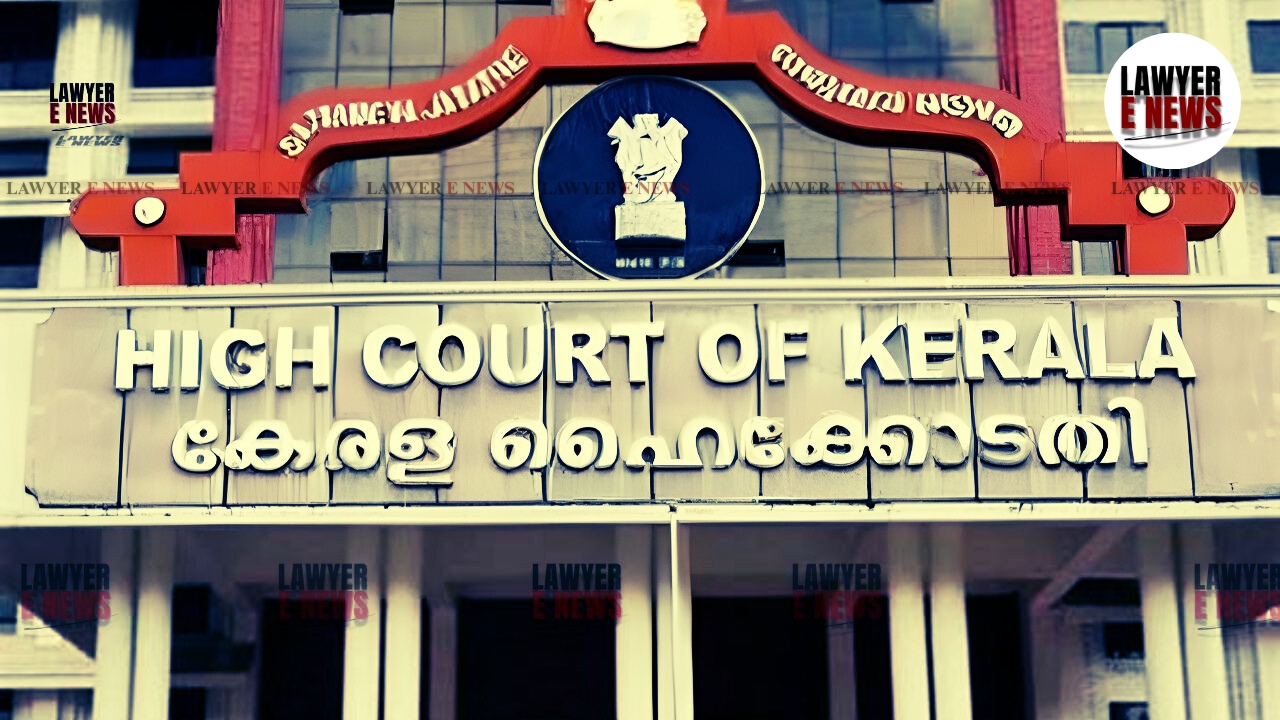
"Reason is the heartbeat of every conclusion, and without the same it becomes lifeless. Reason introduces clarity in an order... An order without reason is an action born of whim and not of law." Kerala High Court, in a significant ruling dated August 11, 2026, set aside the rejection of an application for the renewal of a registration certificate under the Foreign Contribution (Regulation) Act, 2010, holding that administrative distaste for public dissent cannot convert the exercise of a constitutionally protected right into an "undesirable purpose."
A bench of Justice Bechu Kurian Thomas observed that cryptographic and non-speaking executive rejections based on far-fetched intelligence inferences cannot override statutory mandates and constitutional guarantees.
The petitioner, Save A Family Plan India, a public charitable trust functioning since 1989, had enjoyed uninterrupted FCRA registration since 1985 to carry out poverty eradication and community development programmes. When it sought renewal under Section 16 of the FCRA in October 2021, the Ministry of Home Affairs issued a cryptic refusal in March 2024 citing alleged violations under Sections 7(a) and 12(4) without detailing reasons. A subsequent statutory revision petition under Section 32 was also dismissed in December 2024, introducing a fresh ground under Section 12(4)(a)(vi) based on a confidential Central Security Agency report alleging that the petitioner had transferred funds to another NGO, which in turn allegedly supported agitators protesting the Vizhinjam Seaport project.
The primary questions before the court were whether the Central Government is legally mandated to communicate detailed reasons when refusing an FCRA renewal application, and whether financial contributions traceable to organizations linked to individuals participating in peaceful public protests can be classified as acts prejudicial to national security or an "undesirable purpose" under the statute.
Cryptic Rejections Violate Statutory Mandates
"Reasons Are The Heartbeat Of Every Conclusion"
Noting that the initial refusal order merely listed statutory provisions without offering a single line of explanation, the court held that an administrative decision devoid of reasons is a nullity. The bench emphasized that the proviso to Section 16(3) of the FCRA, which mandates communicating reasons when applications are not disposed of within ninety days, applies equally to rejections. "Refusing to divulge reasons is in effect a mode of denying justice as the mind of the decision maker cannot be comprehended by the higher authorities including the courts," the court remarked, noting that the revisional authority further erred by importing a brand-new statutory violation at the appellate stage.
Scrutiny of Intelligence Reports and National Security Claims
"State Cannot Claim Absolute Immunity For Intelligence Reports"
Examining the Intelligence Bureau report submitted in a sealed cover pursuant to judicial query, the court evaluated the government's claim of confidentiality against the doctrines laid down by the Supreme Court in Madhyamam Broadcasting Limited v. Union of India and Manohar Lal Sharma v. Union of India. The bench held that intelligence reports impacting the profession and existence of entities cannot be granted absolute immunity from disclosure. "The phrase derives its meaning from the context. It is not sufficient for the State to identify its purpose in broad conceptual terms such as national security and public order," the court observed, holding that the intelligence dossier contained no sensitive material warranting secrecy.
Protest Against Government Projects Not an "Undesirable Purpose"
"Right To Protest Is An Integral Part Of A Democracy"
The intelligence input had accused the petitioner of funding Trivandrum Social Service Society (TSSS), which allegedly routed funds to other bodies assisting Vizhinjam port agitators. Dismantling this nexus, the court pointed out that the underlying protests by local fisherfolk concerned environmental impacts, livelihood displacement, and access to the sea—legitimate democratic grievances. Invoking foundational precedents including In Re Ramlila Maidan Incident and Mazdoor Kisan Shakti Sangathan v. Union of India, the bench reiterated that the right to peaceful assembly and dissent is protected under Article 19(1)(a) and 19(1)(c) of the Constitution. "Executive or administrative distaste for protests or dissents, cannot convert the exercise of a constitutionally protected right into an 'undesirable purpose' or as against 'public interest'," the court declared.
Final Relief and Directions Issued by the Court
Concluding that the denial of renewal suffered from complete non-application of mind and relied on irrelevant considerations, the court set aside both the refusal email and the revisional order. The competent authority was directed to reconsider the renewal application afresh within three months. The bench protected the charity by clarifying that its existing FCRA certificate shall remain valid for utilizing over sixteen crores of rupees already received in its utilization accounts, though fresh foreign contributions cannot be accepted until final orders are passed.
Date of Decision: 11 August 2026