-
by sayum
12 August 2026 10:17 AM







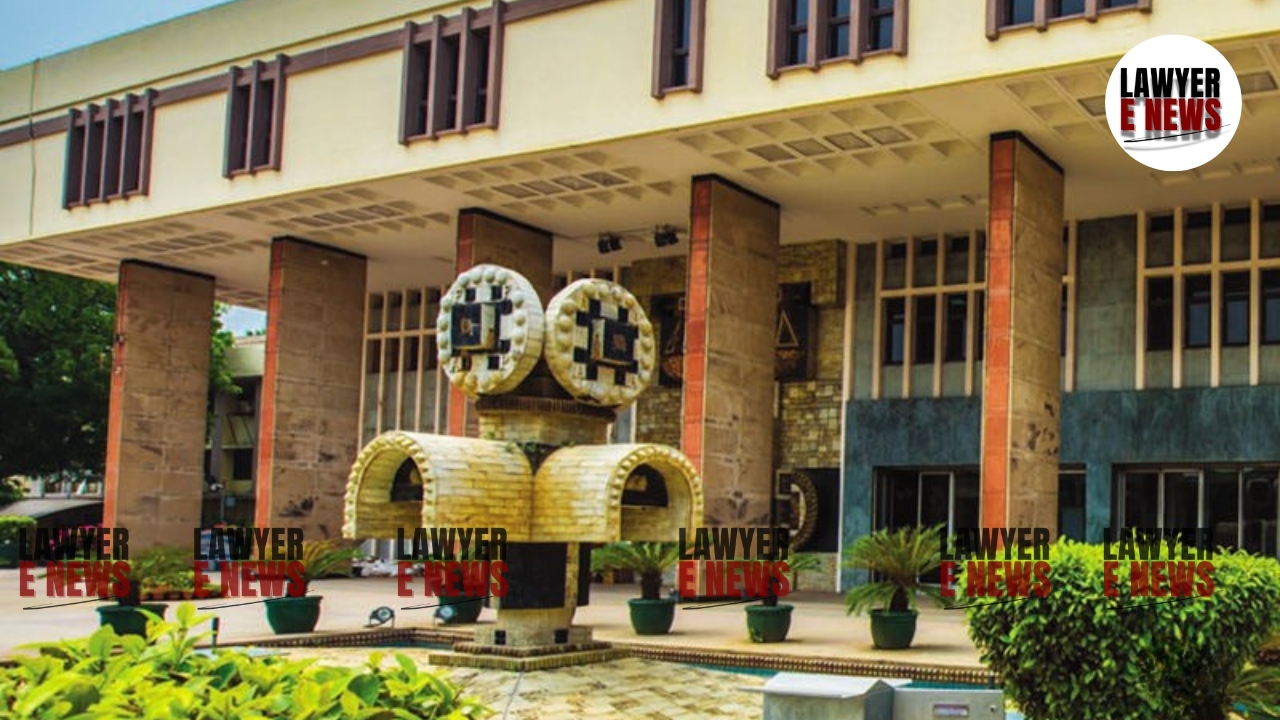
"Section 17(2) itself contemplates eviction or exclusion of aggrieved person from a shared household in accordance with the procedure established by law. The conclusion is inescapable that a proceeding in a competent court for eviction or exclusion is contemplated by the Statutory Scheme of the 2005 Act." Delhi High Court held that a daughter-in-law has no absolute right to reside in her father-in-law's self-acquired property once the permissive license is validly revoked, while ruling that the Protection of Women from Domestic Violence Act does not bar civil eviction suits.
A bench of Justice Neena Bansal Krishna observed that a civil suit for possession is a recognized procedure established by law under Section 17(2) of the DV Act, provided the woman is not rendered destitute or shelterless.
The respondent, a retired school teacher, filed a civil suit seeking possession and injunction against his daughter-in-law, who was residing on the first floor of his property in North Ghonda, Delhi. The father-in-law stated that he had disowned his elder son—the appellant's husband—due to marital discord and constant quarrels created by the second wife. Although the father-in-law had purchased an alternative house in the appellant's name to resolve disputes, she allegedly rented it out and refused to vacate the parental property, prompting the civil action.
The primary question before the court was whether a father-in-law can maintain a civil suit for eviction against his daughter-in-law in respect of his self-acquired property. The court was also called upon to determine whether Section 17 of the DV Act creates an absolute right of residence that bars civil court eviction proceedings.
Court's Observations And Judgment Exclusive Ownership Established
The court noted that both lower courts concurrently found the suit property to be the individually acquired property of the plaintiff father-in-law. The bench observed that the appellant's contentions were self-contradictory as she alternately claimed ancestral rights while simultaneously challenging the validity of the plaintiff's ownership documents.
No Absolute Right To Residence
"Right under Section 17 is an independent statutory right, which cannot be defeated by ownership claims." The bench analyzed the statutory scheme under Section 17 and Section 19 of the DV Act alongside the Supreme Court's ruling in Satish Chander Ahuja v. Sneha Ahuja. The court emphasized that the statute itself contemplates the eviction or exclusion of an aggrieved person from a shared household in accordance with the procedure established by law.
Civil Suit Is A Valid Procedure
"There is neither any express nor implied bar in initiation of civil proceedings in a court of competent jurisdiction." The court reiterated that a civil suit for possession constitutes due process under Section 17(2) of the DV Act. The availability of alternative remedies under Section 26 of the enactment does not oust the jurisdiction of civil courts to entertain property disputes between family members.
Alternate Accommodation Disentitles Relief "Defendant No. 2 holds in her own name, a house from which she draws rental income, and that this constitutes alternate accommodation." The court highlighted that the appellant owned property in her name from which she drew rental income, fulfilling the statutory objective of preventing homelessness. Since the father-in-law validly revoked her permissive license, her remedies for maintenance and residence lie exclusively against her husband through pending DV and Section 125 CrPC proceedings.
No Substantial Question Of Law
The court concluded that the challenges raised in the second appeal were essentially questions of fact concurrent findings of both lower courts. Finding no merit in the challenge against the concurrent decrees of eviction and injunction, the bench dismissed the second regular appeal along with pending applications.
Date of Decision: 11 August 2026