-
by sayum
12 August 2026 10:17 AM







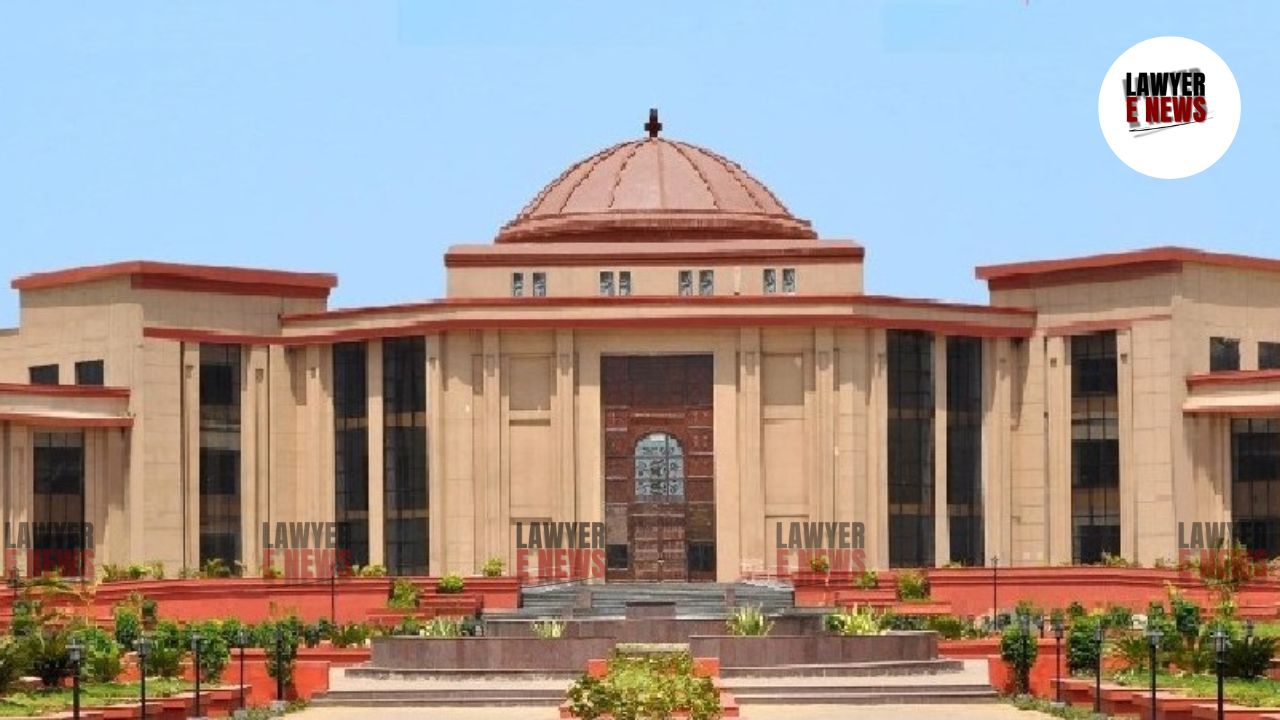
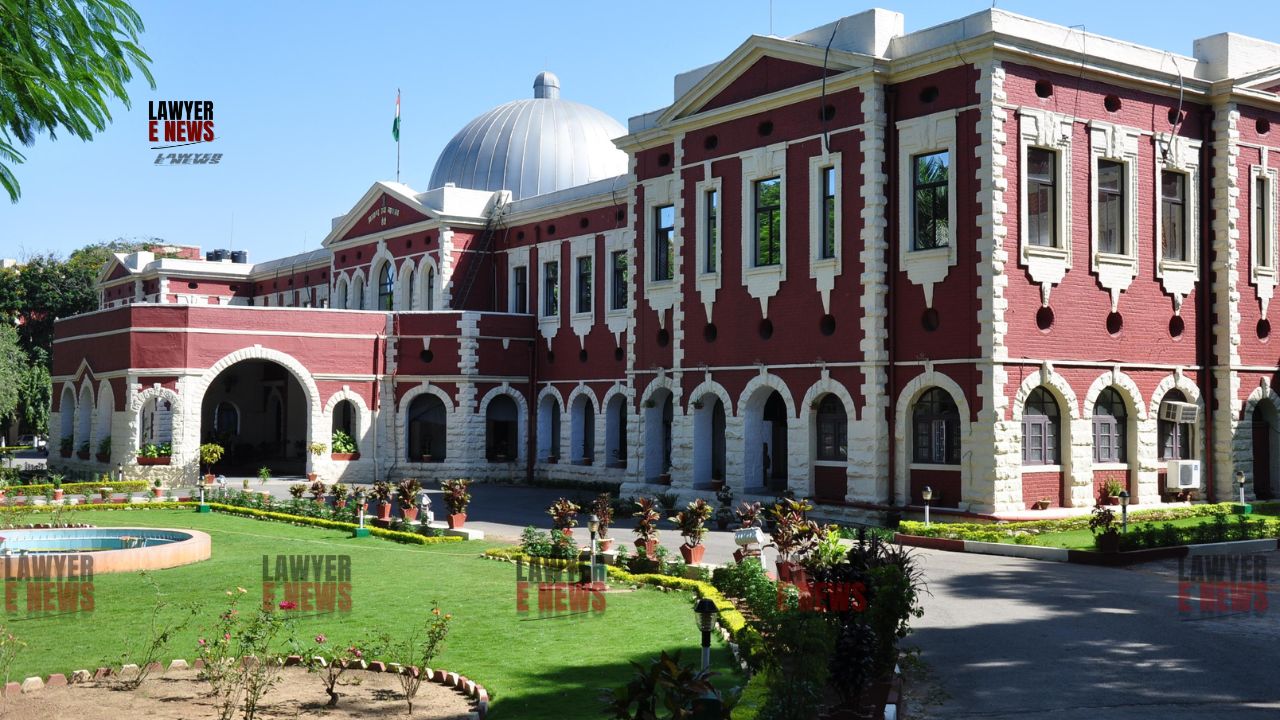
"Merely because the restoration application was filed under an incorrect provision of law, the same ought not to have been rejected on that technical ground alone." Chhattisgarh High Court, in a significant ruling, held that a litigant cannot be deprived of their valuable right of appeal merely because their counsel made an unauthorized statement to withdraw or not press the matter.
A bench of Justice Naresh Kumar Chandravanshi observed that procedural technicalities cannot outweigh substantive justice when a party seeks adjudication on merits.
The dispute arose out of a succession matter initiated by the appellant, Smt. Kusum Mishra, under Section 372 of the Indian Succession Act before the trial court. After her succession case was dismissed, she preferred a civil appeal before the District Judge of Surguja, Ambikapur. However, the first appellate court dismissed the appeal as not pressed based on a statement made by her counsel. The appellant promptly filed a restoration application along with an application under Section 5 of the Limitation Act, asserting that her counsel acted without her consent.
The primary question before the court was whether an application for restoring an appeal dismissed as not pressed is maintainable under Order XLI Rule 19 of the CPC. The court was also called upon to determine whether quoting an incorrect provision of law is fatal to a restoration plea.
Court Explains Scope Of Order XLI Rule 19 CPC
The High Court noted that Order XLI Rule 19 of the CPC applies strictly to cases where an appeal has been dismissed for default or want of prosecution. Since the appellant's case was dismissed as not pressed, the correct legal remedy lay in invoking the inherent powers of the court under Section 151 of the CPC. However, the bench emphasized that filing an application under a wrong legal provision is merely a technical defect that should not defeat a substantive right.
"Quoting A Wrong Provision Cannot Be Treated As Fatal"
Relying on established judicial precedents including the Supreme Court ruling in G. Christhudas v. Anbiah and the Kerala High Court decision in Kanchanamala Anjana v. Janaki Chandramathi Manimandiram, the bench reiterated that procedural hurdles must give way to justice. The court observed that when a court exercises inherent powers under Section 151 CPC, it possesses the inherent authority to correct procedural missteps and prevent miscarriage of justice.
Value Of Right To Appeal Underlined
Quoting the Apex Court ruling in Mysore Urban Development Authority v. K.M. Chikkathayamma, the bench underscored that a right of appeal is a valuable statutory right enabling a litigant to seek adjudication on merits. The court observed that a litigant can forgo such a right only with express authority and free will, and cannot be bound by unauthorized concessions made by counsel.
Lower Court Failed To Consider Limitation Delay
The High Court strongly criticized the district judge for failing to consider or adjudicate the application filed under Section 5 of the Limitation Act. The bench held that dismissing the restoration plea on a technicality without examining the delay condonation application was legally unsustainable.
Allowing the miscellaneous appeal, the Chhattisgarh High Court set aside the impugned order passed by the District Judge of Surguja. The matter was remitted back to the trial court with a specific direction to treat the restoration application as one filed under Section 151 of the CPC. The district judge was directed to decide the restoration plea afresh alongside the delay condonation application in accordance with law.
The appeal filed under Order XLIII Rule 1(t) of the CPC was accordingly allowed, ensuring that the appellant gets an opportunity to pursue her succession claims on merits.
Date of Decision: 06 August 2026