-
by sayum
27 August 2026 3:32 PM







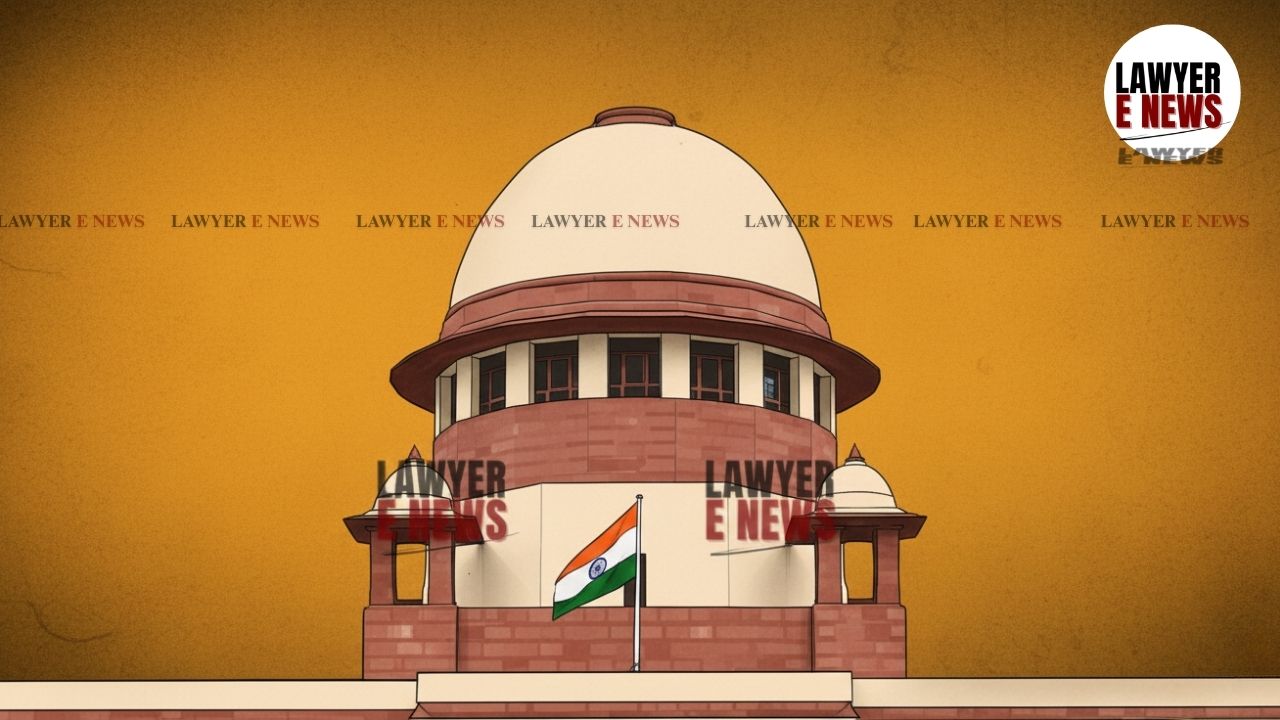
“Striking out pleadings is not the same as rejecting a plaint — both operate in distinct legal fields”, In a vital clarification that reinforces procedural discipline in civil litigation, the Supreme Court of India held that Order VI Rule 16 of the Code of Civil Procedure, 1908, which empowers courts to strike out scandalous, frivolous, or vexatious portions of pleadings, cannot be used as a basis to strike off the entire plaint.
The Madras High Court, invoking Article 227 of the Constitution and relying on Order VI Rule 16 CPC, had summarily struck off the entire plaint filed by the appellant in a title dispute. The Apex Court, however, termed this exercise a “misconceived extension of procedural law”, stressing that Order VI Rule 16 operates only on specific content within pleadings, not the suit in its entirety.
“Order VI Rule 16 is Not a Substitute for Order VII Rule 11” – Apex Court Declares Boundaries of Pleading Powers
“It would be stretching beyond the logic of law to interpret and imply that Order VI Rule 16 can be utilised and employed for striking down the entire plaint,” observed the Bench of Justice N.V. Anjaria and Justice Aravind Kumar, rejecting the respondents’ attempt to use this provision as a shortcut for dismissal of the suit.
The Court noted that Order VI Rule 16 CPC empowers the court to strike out portions of pleadings that are “unnecessary, scandalous, frivolous or vexatious,” or that “tend to prejudice, embarrass, or delay the fair trial of the suit”, or that constitute an “abuse of the process of the court.” However, the Court clarified that this does not equate to rejecting a suit in entirety, for which Order VII Rule 11 CPC provides the proper framework.
Rejection of Plaint and Striking Out of Pleadings Are Distinct Remedies
The Court drew a clear procedural distinction between striking out pleadings under Order VI Rule 16 and rejection of plaint under Order VII Rule 11, stating that the two serve different legal purposes:
“Striking down the plaint or rejection of plaint on the legal grounds available in Order VII Rule 11, CPC is entirely different than striking out the infirm or abusive pleadings,” the Court stated.
It further added that the attempt to blend the two provisions in the guise of invoking Article 227 was “legally unsustainable.”
High Court Cannot Expand Scope of Procedural Tools Using Article 227
Emphasizing that procedural safeguards must not be diluted by supervisory overreach, the Apex Court said:
“Under the guise of invoking Order VI Rule 16, CPC, justification for using the powers under Article 227 of the Constitution cannot be extended.”
The judgment sternly warned High Courts to not substitute proper procedural avenues with constitutional powers, especially in matters governed by the CPC where well-defined remedies already exist.
The Court also criticized the Madras High Court’s factual analysis of the sale deed's authenticity and the plaintiff's conduct, saying such factual conclusions require trial and evidence, not summary striking out based on pleadings alone.
Implications for Civil Practice: Litigants Must Use Proper Channels
This ruling is a significant procedural precedent and a caution to litigants and courts alike, that invoking Article 227 cannot become a means to avoid statutory procedure, particularly when dealing with contentious civil disputes involving title, possession, or allegations of fraud.
By reasserting the limited scope of Order VI Rule 16, the Supreme Court has protected the procedural integrity of civil suits and ensured that the due process of trial is not circumvented by overzealous pre-trial applications.
The decision reaffirms that only the statutory mechanisms under the CPC — such as Order VII Rule 11 — can be used to reject a plaint in its entirety. Invoking Order VI Rule 16 to strike out the whole suit, especially under constitutional supervisory jurisdiction, is a misuse of law and contrary to legislative intent.
This clarity ensures greater procedural discipline and guards against the erosion of trial safeguards in civil litigation.
Date of Decision: 03 February 2026