-
by sayum
27 August 2026 3:32 PM







"Once arbitrator is appointed under pre-2015 regime, validity of arbitration clause is res judicata and cannot be reopened in Section 34 proceedings" – Supreme Court of India clarified the legal consequence of Section 11 orders passed prior to the Arbitration and Conciliation (Amendment) Act, 2015. The Court decisively held that once an arbitrator is appointed under the SBP & Co. regime, the existence and validity of the arbitration agreement attains finality and cannot be revisited during Section 34 proceedings challenging the award.
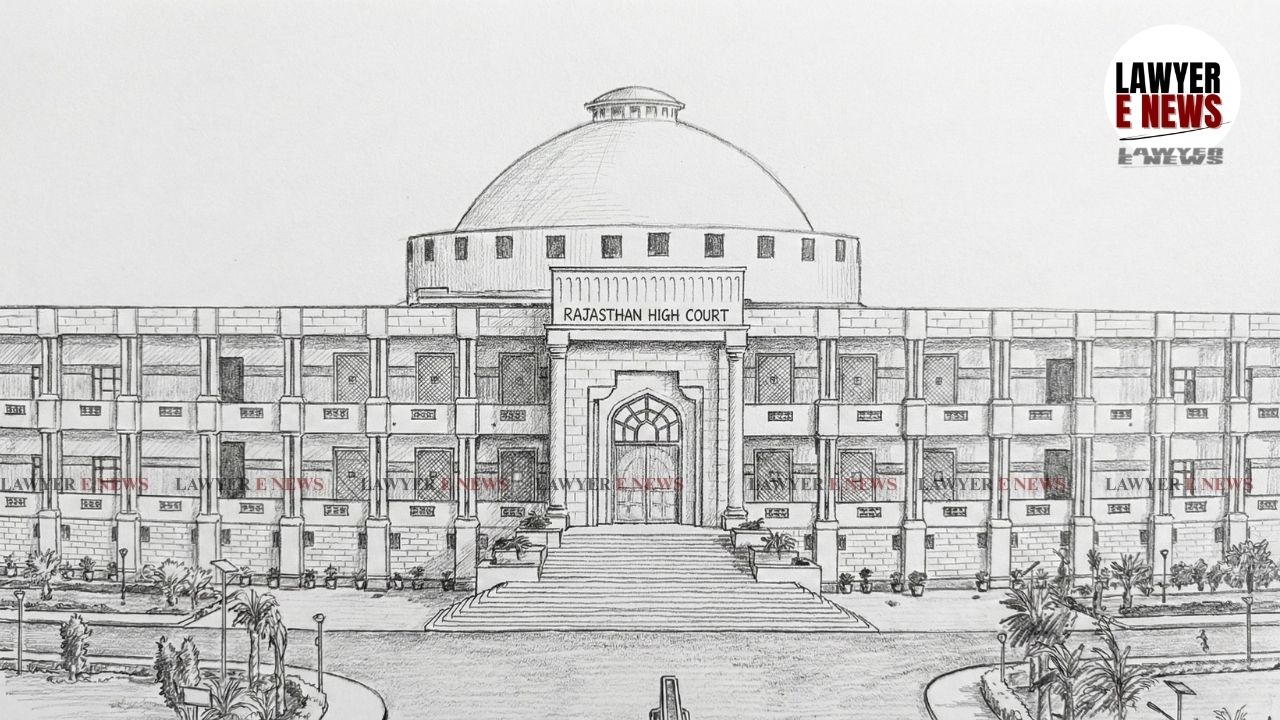
The judgment, authored by Justice K.V. Viswanathan and concurred by Justice J.B. Pardiwala, sets aside the decisions of the Rajasthan High Court and Commercial Court, which had erroneously annulled arbitral awards by holding that Clause 23 of the contract did not constitute an arbitration agreement.
"Section 11 order under SBP & Co. regime operates as res judicata on the question of validity of arbitration agreement" – Court Declares Binding Effect of Pre-Amendment Orders
The Court began by asserting the primary issue in the appeals: whether the validity of Clause 23—pertaining to reference of disputes to a Standing Committee—could be challenged after an arbitrator had been appointed under Section 11 of the Arbitration and Conciliation Act, 1996, before the 2015 amendment.
Clause 23 provided for reference of disputes to a high-powered Standing Committee but was interpreted by the Section 11 Court as constituting a valid arbitration agreement. This view, although not expressly articulated, was inherent in the Court’s decision to appoint a sole arbitrator in 2014, prior to the insertion of Section 11(6A) by the 2015 Amendment Act.
The respondents, having accepted the Section 11 order without challenge, later raised objections under Section 34 of the Act, contending that Clause 23 was not an arbitration clause. Both the Commercial Court and High Court accepted this argument and set aside the arbitral award.
“Commercial Court fell into grave error by reopening validity of arbitration clause already decided under Section 11”
The Supreme Court categorically rejected the reasoning of the courts below, emphasizing that under the pre-2015 regime, a Section 11 order was not administrative but judicial in nature, and the determination of the existence and validity of an arbitration agreement was binding on the parties.
Citing the landmark seven-judge Constitution Bench decision in SBP & Co. v. Patel Engineering (2005) 8 SCC 618, the bench observed:
“The finality given to the order of the Chief Justice on the matters within his competence under Section 11 of the Act are incapable of being reopened before the Arbitral Tribunal.”
Further, it held that the jurisdictional findings made under Section 11(6) operate as res judicata:
“Once a judicial authority adjudicates on the existence and validity of the arbitration clause before appointing an arbitrator, that decision binds the parties—not only before the arbitrator, but also at the subsequent Section 34 stage.”
The respondents' failure to challenge the Section 11 appointment order was decisive. The Court observed:
“The fact that the respondents accepted the order and did not challenge it only puts the matter beyond any pale of controversy.”
Kompetenz-Kompetenz Doctrine Limited by Section 11(7): Tribunal Cannot Override Court's Prior Findings
Rejecting the argument that an arbitrator could revisit the question of validity under Section 16, the Court reaffirmed the limited applicability of the Kompetenz-Kompetenz doctrine under the pre-2015 regime:
“Where jurisdictional issues are decided under Section 11 before reference is made, Section 16 cannot be held to empower the Arbitral Tribunal to ignore or override the decision.”
The Court also reiterated that Section 11(7) gives statutory finality to the decision of the Section 11 Court, and any objection to that can only be raised through an appeal to the Supreme Court, which the respondents failed to pursue.
Distinction Between Res Judicata and Precedent – Explained in Depth
In a detailed analysis, the Supreme Court clarified the conceptual difference between res judicata and precedent, stating:
“A precedent operates in rem and binds all similarly situated persons; a decision between parties, even if incorrect, operates as res judicata in subsequent proceedings between them.”
Thus, the Court concluded that the earlier Section 11 appointment order was binding in personam and could not be reopened by subsequent courts.
The Commercial Court’s reliance on other Rajasthan High Court decisions (Mohammed Arif Contractor and Marudhar Construction), which held Clause 23 not to be an arbitration clause, was rejected. The Court held that those judgments had no application, as they were not between the same parties and did not operate as res judicata.
Scope of Post-2015 Section 11(6A) Is Narrower – Present Case Falls Under Pre-Amendment Law
The Supreme Court took pains to distinguish the pre-amendment and post-amendment legal regimes. It reiterated that post-23.10.2015, the scope of judicial review under Section 11 was confined to existence of the arbitration agreement, as per Section 11(6A). However, since the arbitral proceedings in this case began before that date, SBP & Co. continues to apply.
Referring to the Constitution Bench in Interplay Between Arbitration Agreements & Stamp Act [(2024) 6 SCC 1], the Court noted that:
“Under Section 11(6A), the Court’s jurisdiction is limited to a prima facie examination of the existence of an arbitration agreement.”
In contrast, under SBP & Co., the validity of the agreement was within the Section 11 court’s purview.
Supreme Court Remits Cases Back to Commercial Court for Decision on Remaining Objections
As both the High Court and Commercial Court had set aside the awards solely on the ground that Clause 23 was not an arbitration clause, the Supreme Court remitted the matters to the Commercial Court, Jaipur for consideration of the other objections under Section 34, if any.
The bench directed:
“Considering that the Award is of the year 2015/2016, we direct the Commercial Court No.3 to dispose of the pending Arbitration Cases within a period of three months.”
The appeals were allowed, and both the Section 34 judgments and High Court orders were set aside.
Section 11 Orders Passed Before 2015 Amendment Are Judicially Binding on Validity of Arbitration Clause
This ruling reinforces the binding nature of Section 11 orders passed before the 2015 amendment, and emphatically holds that the validity of the arbitration agreement cannot be re-agitated during the challenge to the arbitral award under Section 34.
The Supreme Court's verdict is a resounding affirmation of the finality doctrine, ensuring that once a party accepts an arbitrator's appointment, it cannot later question the clause’s validity, thereby preserving the sanctity and efficiency of arbitral proceedings commenced under the SBP & Co. regime.
Date of Decision: 04 February 2026