
-
by sayum
26 August 2026 1:49 PM







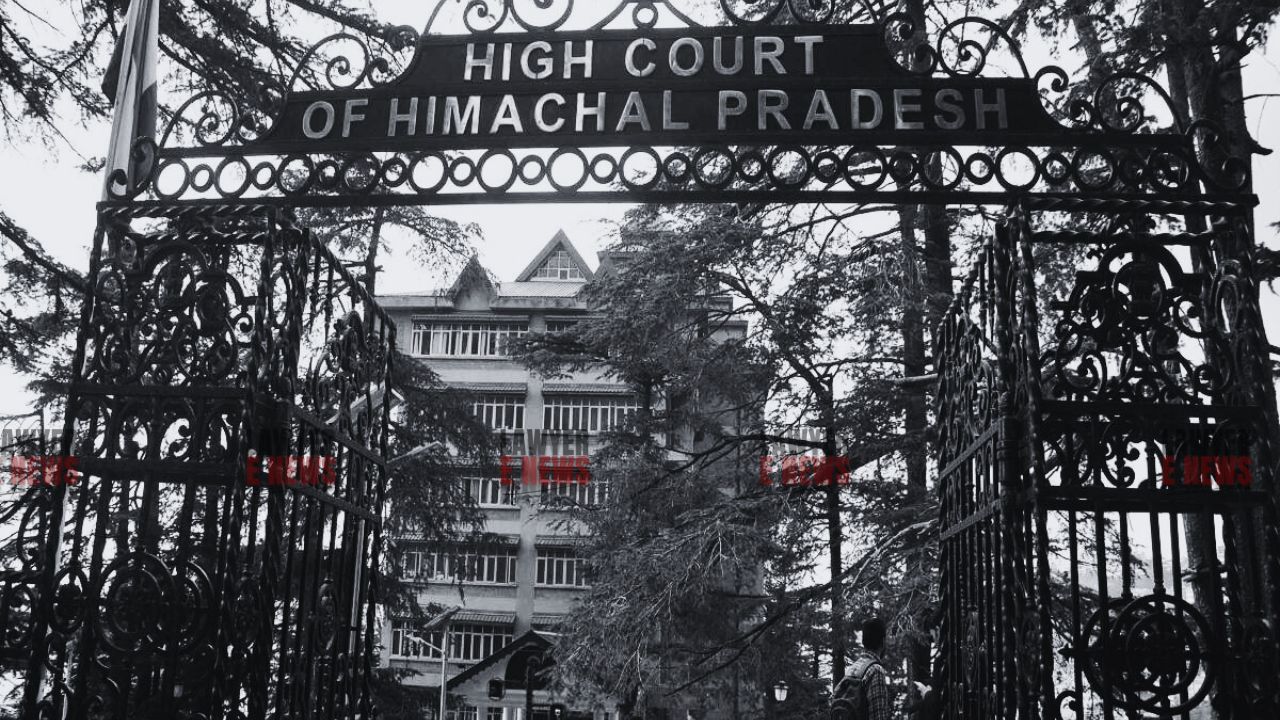
“Extension granted due to delays caused by COVID-19 pandemic and severe monsoon conditions, mandate extended until January 4, 2025.” The Himachal Pradesh High Court has granted an extension for the completion of arbitral proceedings in the case involving Hindustan Petroleum Corporation Limited (HPCL) and M/s Sharma Oil Carrier. The court, acknowledging the delays caused by the COVID-19 pandemic and severe monsoon conditions, has extended the mandate of the Sole Arbitrator by six months. This decision underscores the judiciary’s flexibility in accommodating procedural delays under exceptional circumstances.
The petition, registered under Arb. Case No. 396 of 2024, was filed by Hindustan Petroleum Corporation Limited and others, seeking an extension of the Arbitrator’s mandate under Section 29A(4) of the Arbitration and Conciliation Act, 1996. Initially, an Arbitrator was appointed on October 1, 2018, to handle several arbitration cases, including the present dispute. However, the original Arbitrator withdrew his consent on December 31, 2019, prompting the petitioners to seek the appointment of a new Arbitrator. A new Arbitrator was appointed on August 6, 2021, but the proceedings were delayed due to the COVID-19 pandemic and subsequent severe monsoon conditions in Himachal Pradesh, leading to road blockages and other disruptions.
The court noted that the reasons presented for the delay were substantial and credible. Justice Jyotsna Rewal Dua observed, “The proceedings were significantly hindered first by the COVID-19 pandemic and later by severe monsoon conditions, which were beyond the control of the parties involved.” The claimant had completed presenting their evidence, while the petitioners were yet to present theirs.
The court referenced a similar extension granted in connected matters under order dated June 15, 2024, in Arb. Case Nos. 387 of 2024, where a similar request for extending the mandate of the Arbitrator by six months was allowed. This precedence was instrumental in the court’s decision to grant the extension in the current case.
The judgment extensively discussed Section 29A of the Arbitration and Conciliation Act, 1996, which sets a time limit for the completion of arbitral awards. According to Sub-Section (4), if an award is not made within the specified period or its extension, the Arbitrator’s mandate can be extended by the court if sufficient cause is shown. Justice Dua emphasized, “The statutory provision allows for an extension upon sufficient cause, which, in this case, is evident due to the pandemic and natural calamities that have caused unavoidable delays.”
Justice Jyotsna Rewal Dua remarked, “The extension of the mandate of the learned Sole Arbitrator is justified given the exceptional circumstances and the nearing completion of the proceedings.”
The High Court’s decision to extend the mandate of the Arbitrator until January 4, 2025, reflects the judiciary’s adaptability in the face of unprecedented disruptions. By granting this extension, the court has ensured that the arbitration process can be completed without undue pressure, maintaining the integrity and thoroughness of the proceedings. The parties are directed to appear before the Arbitrator on July 12, 2024, to resume the proceedings.
Date of Decision: July 5, 2024





