-
by sayum
26 August 2026 4:44 AM







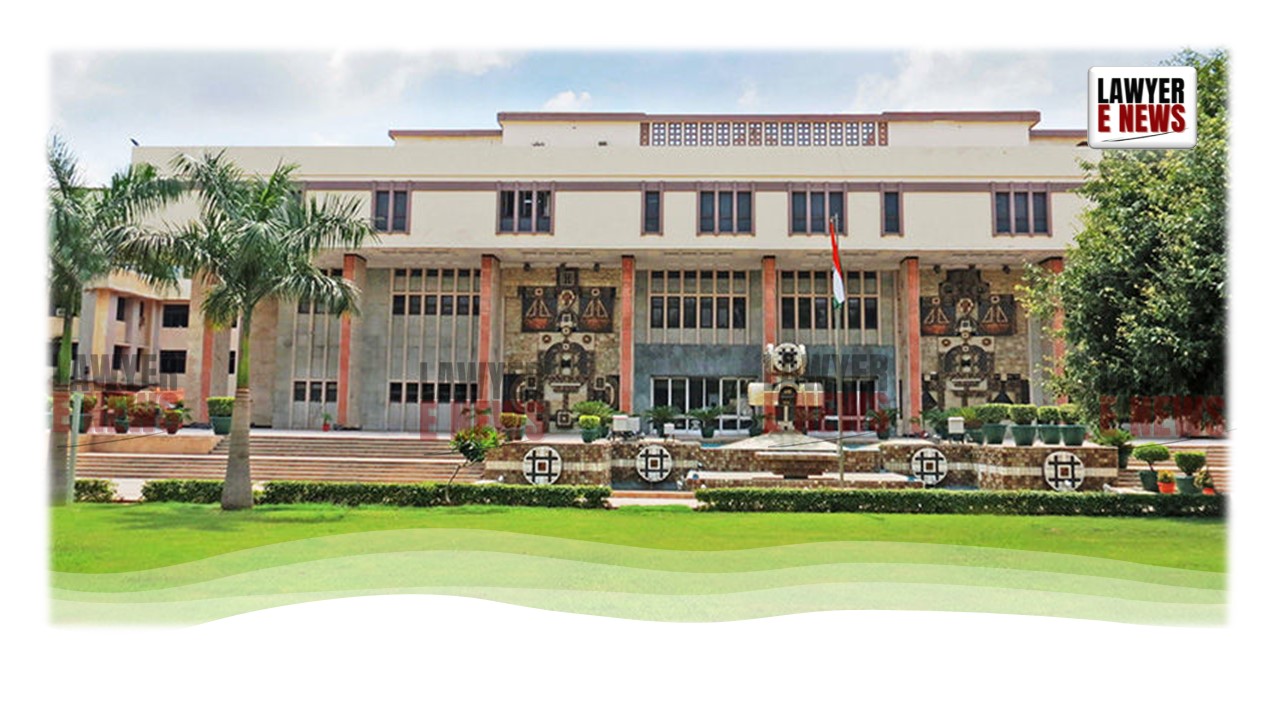
"Even if the Will is Genuine, Probate Can Be Denied Where Petitioner Suppresses Material Facts," Delhi High Court, in a significant judgment by Justice Chandrasekharan Sudha, upheld the trial court’s decision denying probate of a Will, despite affirming its genuineness, due to the original petitioner’s deliberate suppression of the fact that the property in question had already been sold during the pendency of probate proceedings.
The ruling, in the matter of Harminder Singh Bakshi v. State & Ors., underscores a key principle in succession law: genuineness of a Will does not automatically entitle the propounder to probate if the Court is misled or material facts are suppressed. The Court affirmed that while the Will dated 22.01.1996 executed by the testatrix Sujan Kaur was proved through credible secondary evidence, the original petitioner’s conduct in suppressing the sale of the property warranted denial of probate.
"Secondary Evidence Admissible Under Section 65(c) of Evidence Act – Alleged Theft by Son Sufficiently Explained Loss"
The original Will was never produced in court. However, the Court found that the propounder’s case fell squarely under Section 65(c) of the Indian Evidence Act, 1872, as a case of loss—not destruction—of the document. It accepted that the original Will was alleged to have been stolen by the testatrix’s son (the appellant), and noted that this allegation had been consistent since the filing of the probate petition and supported by a police complaint.
Justice Sudha observed, “The testimony of the attesting witness, PW-1, is unshaken and credible. The second respondent/objector himself and his wife were attesting witnesses to a later Will executed by the petitioner in 2004, which referenced the 1996 Will. Their subsequent denial undermines their own credibility.”
The Court emphasized that the existence and due execution of the Will was conclusively established, despite the absence of the original. The Court accepted the photocopy of the Will as secondary evidence and held it admissible under Section 65(c), distinguishing it from the stricter threshold under Section 65(a) as incorrectly argued by the appellant.
"Objector’s Conduct Reveals Estoppel – Attested Later Will Acknowledging 1996 Will, Then Raised Objections After Being Excluded"
Crucially, the appellant Harminder Singh had himself attested a subsequent Will executed by his father in 2004, which acknowledged his father's title over the property derived from the 1996 Will of Sujan Kaur. The Court found that his challenge to the genuineness of the 1996 Will came only after the 2004 Will was revoked and his children’s interests were curtailed.
Justice Sudha noted: “This conduct of the second respondent substantiates the genuineness of the Will. As long as the property was bequeathed in his favour, there were no objections. Objections surfaced only after revocation of the 2004 Will, indicating a shifting position and mala fides.”
The Court thus held that the objector’s prior conduct estopped him from now challenging the authenticity of the 1996 Will.
"Probate Is a Discretionary Relief – Petitioner’s Suppression of Sale of Property Fatal to His Claim"
While affirming the genuineness of the Will, the Court declined to interfere with the trial court’s dismissal of the probate petition, noting that the original petitioner had sold the property to one Sirjan Pal Singh during the pendency of the probate proceedings without disclosing the transaction to the court.
This conduct, the Court held, amounted to suppression of material facts, thereby disentitling the petitioner (and later, the substituted petitioner) from a discretionary relief like probate. The substituted petitioner, who was the purchaser of the property, failed to challenge the dismissal of the probate petition on this ground, further weakening the claim.
Justice Sudha concluded: “Admittedly, during the pendency of the proceedings, the property had been sold by the original petitioner to the substituted petitioner without informing the court. This prompted the trial court to dismiss the probate petition on the ground that the original petitioner had concealed material facts. This dismissal had not been challenged by the substituted petitioner. Therefore, I find no reason to interfere.”
The appeal filed by Harminder Singh was dismissed, and pending applications were closed.
Date of Decision: December 10, 2025