-
by sayum
27 July 2026 10:14 AM







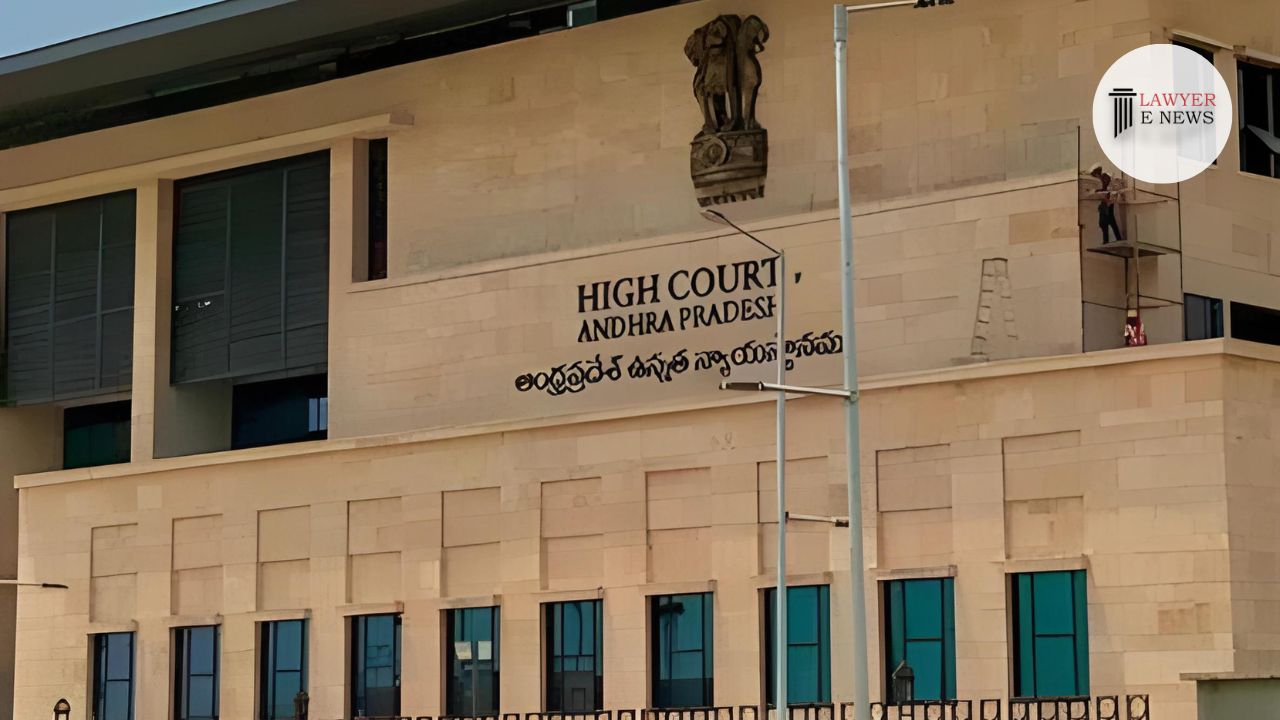
The Andhra Pradesh High Court dismissed an appeal challenging the trial court’s decree for recovery of ₹4,28,665, ruling in favor of the plaintiff in a dispute over five promissory notes executed by the defendant. The Court upheld the validity of the promissory notes, denied the defendant’s claim for relief under the Andhra Pradesh Agriculturists Relief Act, and affirmed the trial court’s interest determination.
The case arose out of five promissory notes, each for ₹50,000, executed by the defendant, Nagalla Veera Venkata Naga Mohana Murali Rao, on December 29, 2000, totaling ₹2,50,000. The plaintiff, Smt. Nagumothu Vijaya Lakshmi, alleged that the defendant borrowed the amount for business purposes and agreed to repay it with interest at 24% per annum but failed to fulfill his obligation despite repeated demands.
The defendant contended that the promissory notes were blank documents given to the plaintiff’s husband as part of a previous transaction and that he had repaid ₹2,00,000 of the debt. He also claimed protection under the Andhra Pradesh Agriculturists Relief Act, asserting he was an agriculturist entitled to scaled-down interest rates.
Justice Venuthurumalli Gopala Krishna Rao, however, found no merit in the appeal. The Court concluded that the plaintiff had successfully established the execution of the promissory notes through the testimony of witnesses, including the scribe and an attestor, and that the defendant failed to provide any evidence of repayment. The defendant’s claim that the promissory notes were blank documents was unsupported, and the witnesses he presented were found to be unreliable.
The Court also rejected the defendant’s claim for relief under the Agriculturists Relief Act. In his cross-examination, the defendant admitted to being a Class-I contractor handling contracts worth ₹15-20 lakh, disqualifying him as an agriculturist under the Act. The Court held that the borrowed amount was used for business purposes, further negating the applicability of debt relief laws.
On the issue of interest, the High Court upheld the trial court’s decision to award 12% interest from the date of the suit to the date of the decree and 6% interest thereafter, finding it reasonable and aligned with the facts of the case.
In affirming the trial court’s judgment, the High Court emphasized the sanctity of promissory notes and the importance of credible evidence in financial disputes. It reiterated that debt relief benefits are limited to individuals who meet specific statutory criteria and cannot be extended to those engaged in substantial business activities. The appeal was dismissed, and the trial court’s decree for recovery of ₹4,28,665, along with costs and interest, was upheld.
Date of Decision: 11/12/2024