
-
by sayum
26 August 2026 1:49 PM







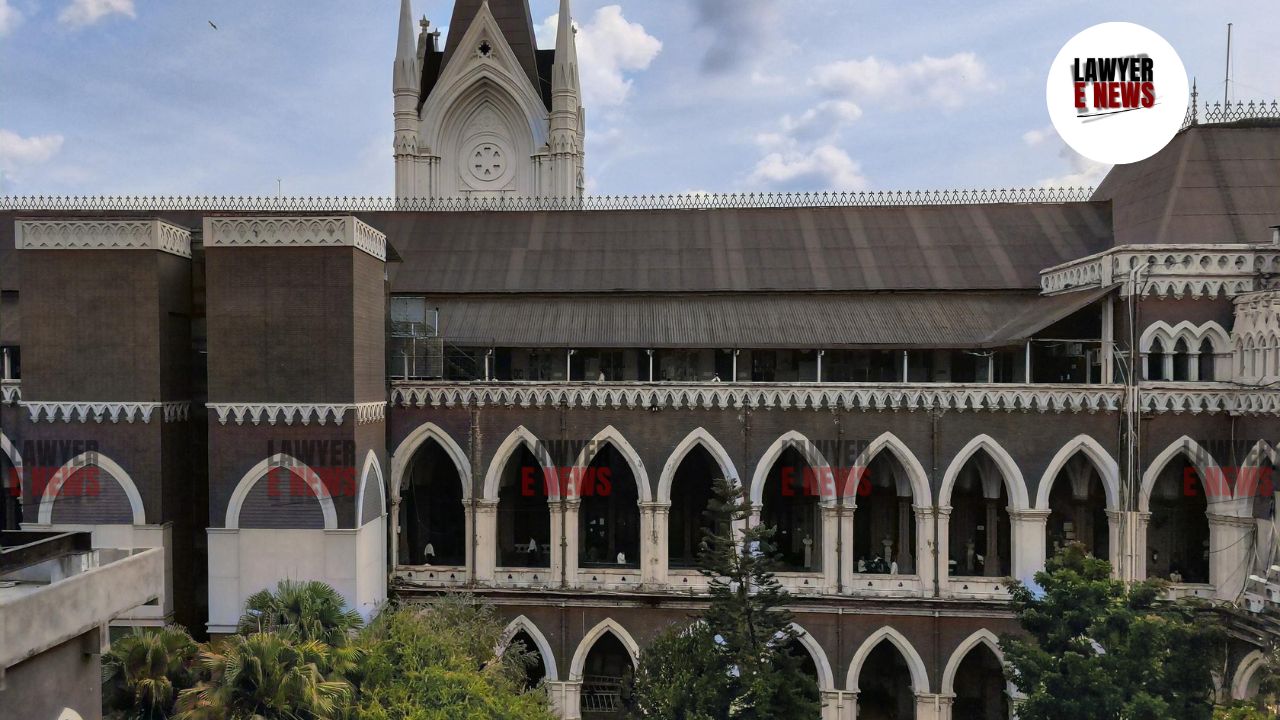
Calcutta High Court, in Prashanta Kumar Biswas v. State of West Bengal & Anr. (CRR 38 of 2022), upheld an appellate court's order granting ₹5,000 per month in interim maintenance to an estranged spouse under the Domestic Violence Act, 2005. Justice Shampa Dutt (Paul) held that the award aligned with the DV Act’s protective intent, even though the parties had been separated since 2003, emphasizing the Act’s scope to ensure financial security for the aggrieved party until final resolution.
The petitioner, Prashanta Kumar Biswas, sought to revise an appellate decision that modified a lower court’s interim maintenance order. Biswas argued against this enhancement, given the 20-year separation from his estranged spouse, and pointed out that no recent incidents of domestic violence were alleged. Despite this, the Additional Sessions Judge increased the interim maintenance to ₹5,000 per month, viewing it as necessary for minimal sustenance.
Long Separation and Applicability of Interim Maintenance under DV Act
Biswas argued that prolonged separation precluded his spouse's eligibility for interim relief. However, the court held that the DV Act’s purpose extends to safeguarding financial security regardless of separation length, stating that interim maintenance is a “protective measure” under the Act, which functions as beneficial legislation.
Discretionary Powers of the Appellate Court in Modifying Maintenance Orders
The court underscored the appellate court’s discretion in awarding interim maintenance, noting that the DV Act supports such relief where justifiable. Justice Dutt observed, “The amount granted also being minimal, this court is not inclined to interfere with the order of the learned Additional Sessions Judge”.
To ensure timely justice, the court directed the trial court to conclude Misc. Case No. 65 of 2018 within six months, unaffected by the appellate findings. This directive aligns with the DV Act’s goal of providing swift and effective relief to aggrieved parties.
Justice Shampa Dutt (Paul) dismissed the revision petition, upholding the ₹5,000 interim maintenance and reinforcing the DV Act's role in supporting the financial needs of estranged spouses. The court mandated an expedited trial, underscoring the urgency for finality in such cases.
Date of Decision: November 7, 2024





