-
by sayum
25 August 2026 9:55 AM







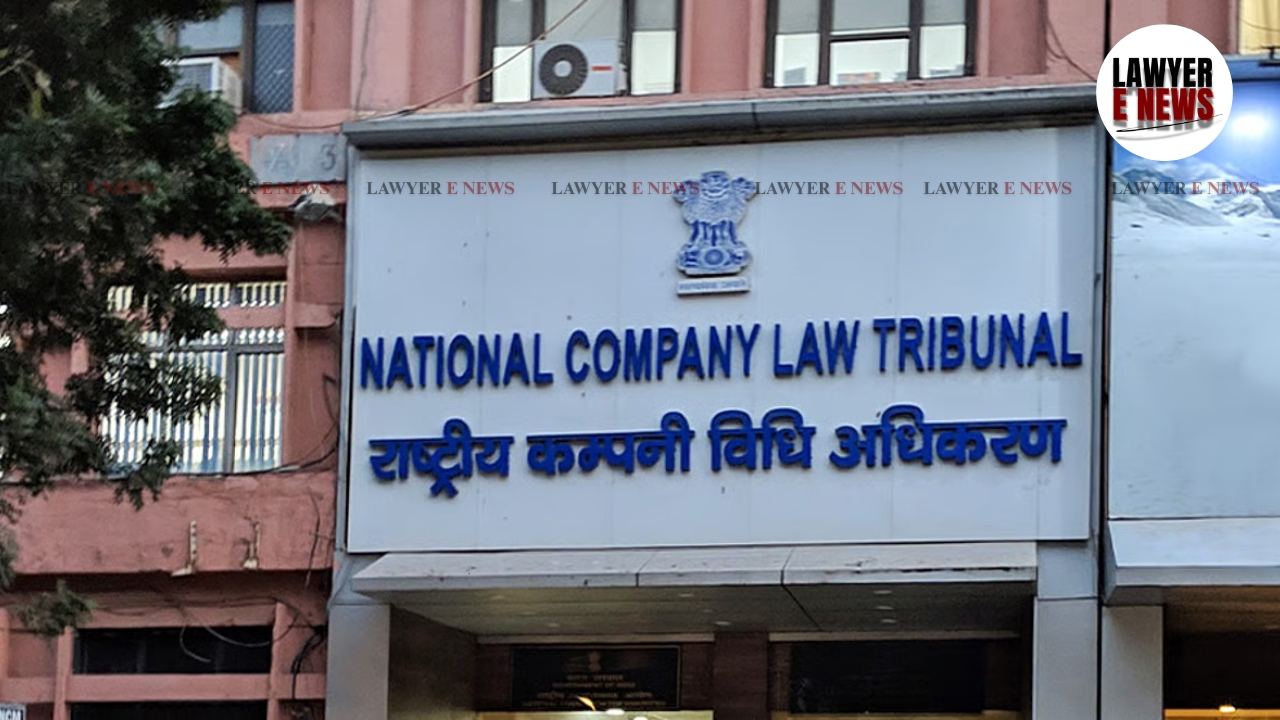
“Post-Default Settlement Cannot Nullify the Cause of Action Under IBC”— NCLT Rejects Dunzo’s Attempt to Stall Insolvency Using Arbitration Clause and Partial Payment “Once Default Has Occurred, Subsequent Settlement Cannot Extinguish Operational Creditor’s Right Under Section 9 of the Code”: Bengaluru NCLT Orders Insolvency Proceedings Against Dunzo
In a pivotal ruling delivered on 6 August 2025, the National Company Law Tribunal (NCLT), Bengaluru Bench, admitted Dunzo Digital Private Limited into Corporate Insolvency Resolution Process (CIRP) under Section 9 of the Insolvency and Bankruptcy Code, 2016, upon a petition by Velvin Packaging Solutions Pvt. Ltd., who claimed a default of ₹2.29 Crores, including interest. The Tribunal held that neither the presence of an arbitration clause nor a post-default settlement agreement could extinguish the operational creditor’s statutory right to initiate insolvency once default had crystallized.
Delivering a strong rebuke to attempts by defaulting debtors to stall IBC proceedings under the guise of settlement or arbitration, the Bench observed:
“The settlement agreement can neither constitute novation nor extinguish the original cause of action… Once the default has occurred and the petition is filed, any subsequent settlement unless fully acted upon does not bar the proceedings under IBC.”
“Spurious and Afterthought Disputes Cannot Defeat Admission Under Section 9”: Tribunal Applies ‘Mobilox’ Standard to Reject Dunzo’s Defense
Velvin Packaging had supplied goods to Dunzo pursuant to over 100 purchase orders, raising invoices amounting to ₹6.81 Crores between July 2022 and April 2023. After partial payments, a balance of ₹1.91 Crores, plus interest of ₹37.90 Lakhs, remained unpaid. A demand notice dated 01.09.2023 was duly served, but no credible objections were filed within the statutory period. Dunzo later attempted to argue that there were “disputes” regarding quality of goods, and that the debt was resolved under a settlement agreement dated 24.06.2024.
Rejecting these arguments, the Tribunal applied the test laid down in Mobilox Innovations Pvt. Ltd. v. Kirusa Software Pvt. Ltd.:
“Dispute must be a ‘pre-existing dispute’ supported by contemporaneous evidence… Adjudicating Authorities must separate ‘grain from chaff’ and reject spurious defenses which are mere bluster.”
The Tribunal noted that the alleged disputes were vague, unsupported, and not contemporaneous with the invoices or demand notice, declaring:
“The dispute now sought to be raised is manifestly an afterthought and not supported by any credible material predating the issuance of demand notice.”
“Existence of Arbitration Clause Does Not Bar Insolvency Proceedings When Debt and Default Are Established”: NCLT Reinforces IBC Supremacy
One of the most significant legal issues in this case was Dunzo’s assertion that the matter must be referred to arbitration under the settlement agreement, which provided for payment of ₹1.5 Crores, of which ₹35 Lakhs had been paid. Dunzo argued that this shifted both the date of default and quantum of debt, and that the insolvency plea was premature.
But the Tribunal firmly rejected the argument, holding:
“The arbitration clause in the settlement agreement cannot override the statutory framework under the IBC for recovery of pre-existing operational debts that have already crystallized into default.”
Quoting the Supreme Court in Vidarbha Industries Power Ltd. v. Axis Bank Ltd., the Tribunal stated:
“The mere existence of an arbitration clause does not bar admission of a Section 9 petition when the debt and default are otherwise established.”
The Court further clarified that mere pendency of arbitration or existence of a settlement does not create a “pre-existing dispute” under Section 9(5)(ii)(d), unless it directly pertains to the original operational debt.
“Breach of Settlement Agreement Does Not Create Fresh Operational Debt — Original Debt Still Enforceable”: NCLT Applies ‘Trafigura’ Precedent
In a clear affirmation of the distinction between breach of settlement terms and the original operational transaction, the Tribunal invoked the ruling in Trafigura India Pvt. Ltd. v. TDT Copper Ltd. to declare:
“Breach of settlement agreements does not constitute ‘operational debt’ under Section 5(21)… The settlement breach merely affects the settlement terms and not the underlying operational transaction that gave rise to the original cause of action.”
In other words, the failure to pay under the settlement did not extinguish the creditor’s right to enforce the original debt under IBC.
The Bench observed that Dunzo’s contention of having made an additional ₹20 lakh payment post-settlement was unsubstantiated, as no bank statements or receipts were filed.
“The plea cannot be accepted… No document viz. receipt, bank statement or correspondence in support of the contention has been produced by the respondent.”
“No Substantial Defense, No Solvency, No Stay—CIRP Must Begin”: Tribunal Finds Dunzo Liable and Admits Petition
Having found that Dunzo failed to establish any credible dispute or financial solvency, and that the operational creditor had complied with Section 9(3)(a), (b), and (c) of the Code, the Tribunal ordered:
“For the above reasons CP (IB) No. 36/BB/2024 is allowed and respondent Dunzo Digital Private Limited is admitted to undergo Corporate Insolvency Resolution Process.”
The Tribunal also imposed a moratorium under Section 14, prohibiting all suits, recovery proceedings, or asset transfers against Dunzo, and appointed Mr. Srinivas Vaidyanath Subramaniam as Interim Resolution Professional. Velvin was directed to deposit ₹2 lakhs to cover initial expenses of CIRP.
The IRP is to issue public notices, collate claims, form the Committee of Creditors (CoC), and file progress reports, as required under IBC.
“IBC Is Not Subordinate to Private Contracts”: Tribunal’s Ruling Reinforces Primacy of Insolvency Law Over Commercial Arrangements
This judgment is a reminder that private contracts, even if containing arbitration clauses or settlements, cannot override the statutory rights and remedies provided under the Insolvency Code. Once default is established, and if no genuine dispute or payment is shown, corporate debtors cannot delay or derail the insolvency process by invoking forum clauses or half-executed settlements.
The Court summed it up:
“The statutory scheme of the IBC cannot be diluted by private settlements that are not acted upon fully. The Code provides a framework for resolution, not indefinite negotiation.”
Date of Decision: 6 August 2025
Bench: NCLT Bengaluru