-
by sayum
25 August 2026 11:12 PM







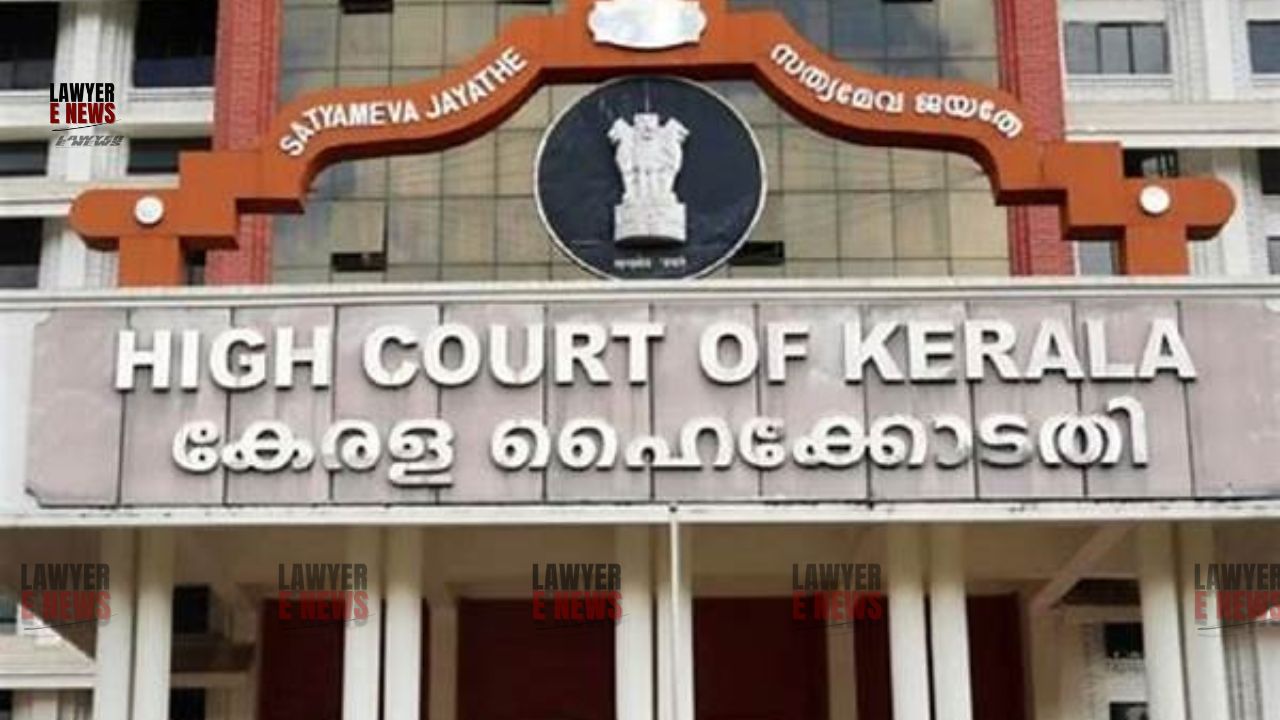
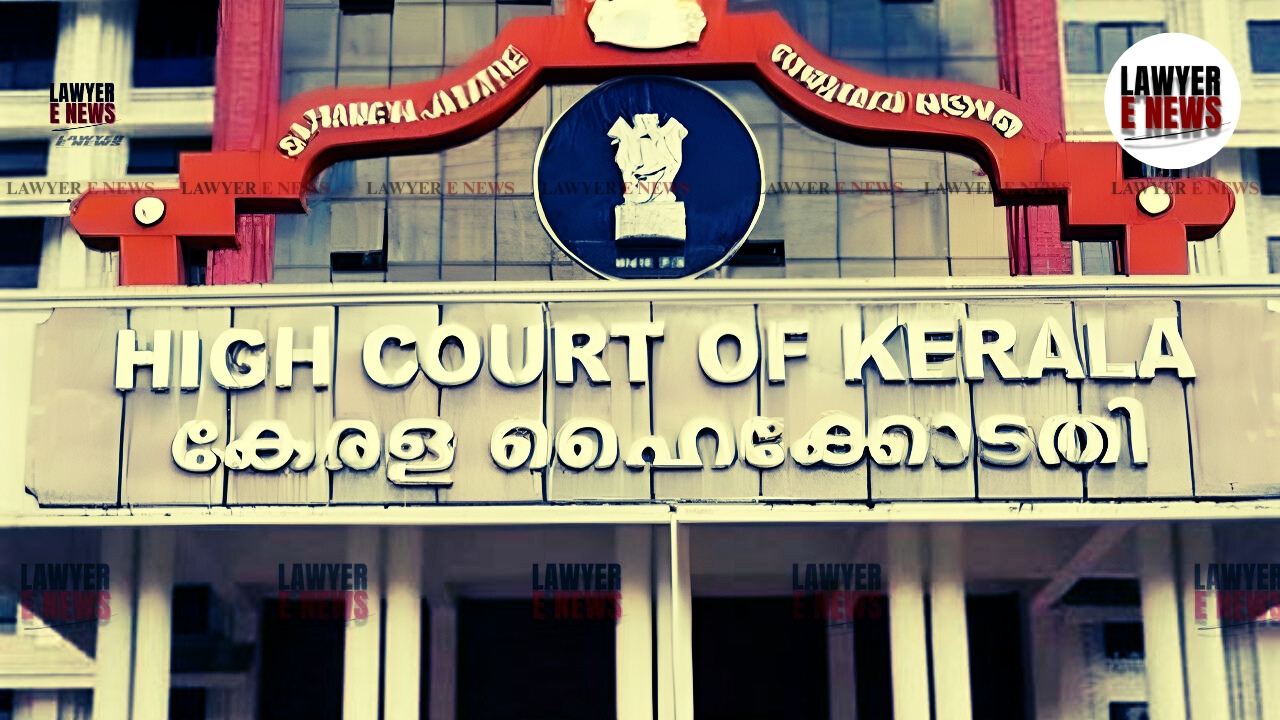
“Article 226 Is For Enforcement, Not For Establishment Of Rights”, In a significant pronouncement on the limits of writ jurisdiction, the Kerala High Court on 18 February 2026 held that claims relating to fixed deposits allegedly made in 1995–1996 cannot be adjudicated in proceedings under Article 226 when the very existence of those deposits is disputed by the banks.
The Division Bench of Justice Anil K. Narendran and Justice Muralee Krishna S. set aside the Single Judge’s direction to disburse the maturity proceeds and relegated the parties to the competent Civil Court, observing that such controversies require evidence and cannot be decided in “summary proceedings under Article 226.”
The ruling reinforces a foundational constitutional principle that the writ court enforces rights but does not establish them through trial-like inquiry.
“Such A Disputed Question Of Fact Cannot Be Decided As Done In The Impugned Judgment”
The litigation arose from claims that substantial sums were deposited as fixed deposits in 1995–1996 in the erstwhile Nedungadi Bank and Bank of Baroda. The petitioners asserted that the deposits were periodically renewed and that the original receipts were retrieved from a bank locker only in 2018 due to prolonged matrimonial discord within the family. Upon approaching the banks in 2018–2019 for release of maturity amounts, the request was refused on the ground that no such deposits were traceable in the records.
Punjab National Bank, which took over Nedungadi Bank in 2003, took a categorical stand that at the time of amalgamation all assets and liabilities were verified and incorporated into an asset-liability schedule. According to the Bank, “no such account is seen carried forward or seen in the books of account” at the time of takeover. It was further contended that the deposits allegedly matured in 1997, long before the 2003 amalgamation, and that the claim raised after more than two decades was highly belated and barred by limitation.
Bank of Baroda similarly submitted that despite checking archival systems and physical ledgers, no records of the 1996 deposits could be traced. The Bank emphasized that without documentary backing in its systems, it could not release any amount merely on the basis of old receipts.
Single Judge’s View: “Case Put Up By The Petitioners Is More Probable”
The learned Single Judge had earlier directed disbursement of the proceeds, observing that since the fixed deposit receipts were retrieved from a locker in 2018, the stand of delay and laches taken by the banks could not be accepted. The Court opined that “the case put up by the petitioners is to be accepted as more probable in nature” and ordered disbursement subject to execution of indemnity bonds.
Pursuant to interim orders in appeal, an amount of ₹10,08,051.39 was deposited by the Bank and permitted to be withdrawn under protest, subject to the final outcome of the appeals.
Writ Court Cannot Try Money Claims Requiring Evidence
Allowing the appeals, the Division Bench relied on settled Supreme Court precedents and reiterated that the power under Article 226 is discretionary and cannot be exercised where disputed questions of fact require detailed examination of evidence.
Quoting the law laid down in earlier decisions, the Court emphasised:
“the object of Art.226 is the enforcement, and not the establishment, of a right and the merits of rival claims of title to property has to be dealt with by a Civil Court in a properly constituted suit.”
After analysing the pleadings, the Bench observed that when the petitioners claim that fixed deposits were made and never repaid, and the banks categorically deny the existence of any such deposits in their takeover records or archival systems, the controversy cannot be resolved without adducing oral and documentary evidence.
The Court categorically held:
“In a writ petition filed under Article 226 of the Constitution of India, such a disputed question of fact cannot be decided as done in the impugned judgment. The remedy open to the petitioners is before the civil Court.”
Amalgamation Liability And Limitation: Questions Left Open
An important dimension of the dispute was whether the alleged deposits formed part of the liabilities transferred to Punjab National Bank at the time of amalgamation in 2003. The Bank maintained that the deposits were not reflected in the asset-liability schedule. The Court held that whether such deposits existed and were carried forward is a matter “which needs the adducing of evidence to arrive at a just decision.”
On the issue of delay and limitation, the petitioners argued that the relationship between the bank and depositor is fiduciary in nature and that Section 10 of the Limitation Act, 1963 would apply, thereby excluding limitation. The Division Bench consciously refrained from expressing any opinion on this contention, leaving all questions—including limitation—to be adjudicated by the Civil Court.
Interim Withdrawal Subject To Final Outcome
The Court clarified that the amount deposited by the Bank and withdrawn by the petitioners pursuant to interim orders shall remain subject to the result of the civil proceedings. Thus, neither side gains a final advantage at this stage.
Writ Appeals Allowed, Civil Suit To Decide 30-Year-Old Claim
Setting aside the common judgment dated 20.12.2024, the Kerala High Court allowed both writ appeals and granted liberty to the petitioners to approach the competent Civil Court within 15 days.
The judgment stands as a powerful reminder that Article 226 jurisdiction is not a substitute for a full-fledged civil trial, especially where the very foundation of the claim—here, the existence and continuity of fixed deposits from the mid-1990s—is under serious dispute.
The Court has restored the dispute to its proper forum, where evidence can be led, records scrutinized, and legal questions of limitation and fiduciary obligation conclusively determined.
Date of Decision: 18/02/2026