-
by sayum
04 August 2026 1:39 PM







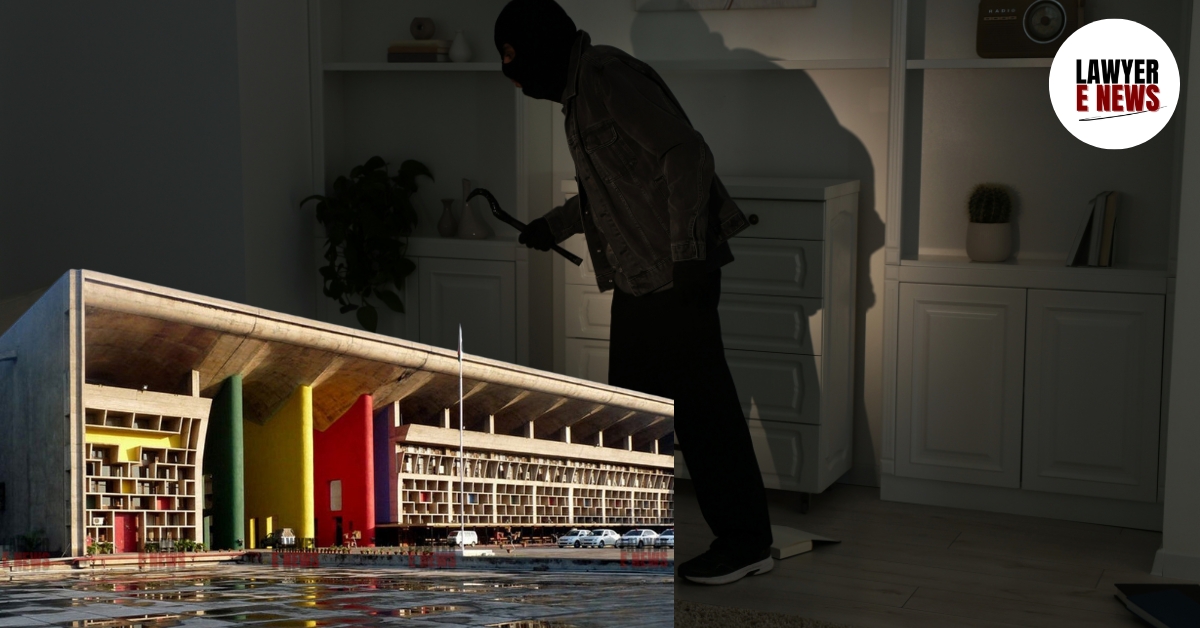
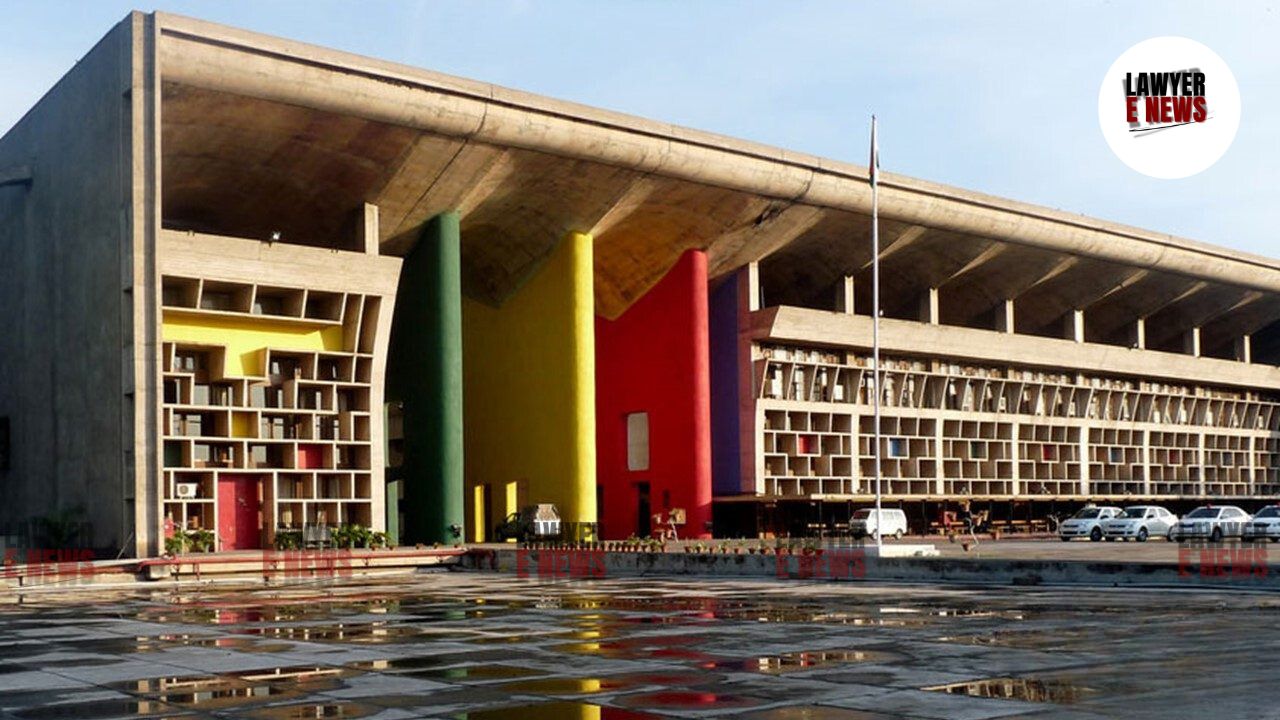
“Minor contradictions are bound to occur with the span of time… they instead establish that the witnesses have given a natural version of the incident”, - Punjab and Haryana High Court, in a striking commentary on the intersection of justice, delay, and evidence. The Court upheld the conviction of two men for a gunpoint robbery committed in 2001, but reduced their sentence to the period already undergone, noting that over two decades had passed since the crime, and the revision had remained pending for 17 years.
Justice Jasjit Singh Bedi captured the duality of judicial duty and humane discretion: “While upholding their conviction, the sentence is modified… The revision petition has come up for final hearing now, after 24 years of the registration of the FIR.”
“Credibility Not Shattered by Time or Technicalities”—Court Accepts Witness Testimonies, Finds Guilt Proven Beyond Doubt
The case arose from an incident dated 22 November 2001, when the complainant Kulbhushan Kumar, a commission agent, was robbed at gunpoint in his shop by a gang of four men who arrived in a Cielo car. They snatched ₹52,500 and a mobile phone, and issued threats to extort ₹10 lakhs more.
The trial court convicted the petitioners under Sections 382, 454, and 506 IPC. Their appeal was dismissed in 2008, and the revision petition had lingered since then.
The defence argued that contradictions existed and that PW-3 Major Singh had turned hostile, while PW-4 never appeared for cross-examination. But the Court remained unswayed:
“PW-2, the complainant, has reiterated the prosecution case on oath and his testimony has been fully corroborated by PW-1… Their credibility has not been shattered in cross-examination.”
“PW-3 supported the confessional statement made by the accused… contradictions are minor and expected given the passage of time.”
“Not Every Hostile Witness Weakens the Case”—Court Rejects Plea for Acquittal, Finds Evidence Sufficient to Sustain Conviction
While the counsel for the petitioners pressed for acquittal citing inconsistencies and delay, the Court made it clear that mere procedural delay or minor evidentiary lapses cannot invalidate credible witness accounts:
“Nothing cogent has come on record which could create any doubt in the prosecution case… PW-1, PW-2, and PW-3 have provided a natural and reliable version.”
“PW-3 turned hostile only as to one accused… His support of the prosecution version against the others remains valid.”
“Justice Must Weigh Time with Law”—Court Reduces Sentence After 23 Years of FIR, 17 Years Post-Conviction
Taking note of the long pendency, and that the petitioners had already undergone substantial periods in custody—10 months and 9 months respectively—the Court ruled that while the conviction must remain, the sentence must reflect the passage of time and the ordeal of prolonged litigation:
“The occurrence took place in 2001, conviction was recorded in 2007, appeal dismissed in 2008, and now the matter comes up in 2025… Such delay must weigh into sentencing.”
The Court substituted the original punishment with:
“Sentence modified to period already undergone… Fine enhanced with ₹20,000 to be paid as compensation to the complainant.”
The High Court’s ruling stands as a reminder that justice must not be mechanical, especially when decades have passed between crime and final adjudication. It reaffirms the principle that conviction must rest on credible evidence, but punishment must be calibrated with time, reform, and reality.
Date of Decision: 21 May 2025