-
by sayum
26 August 2026 10:38 AM







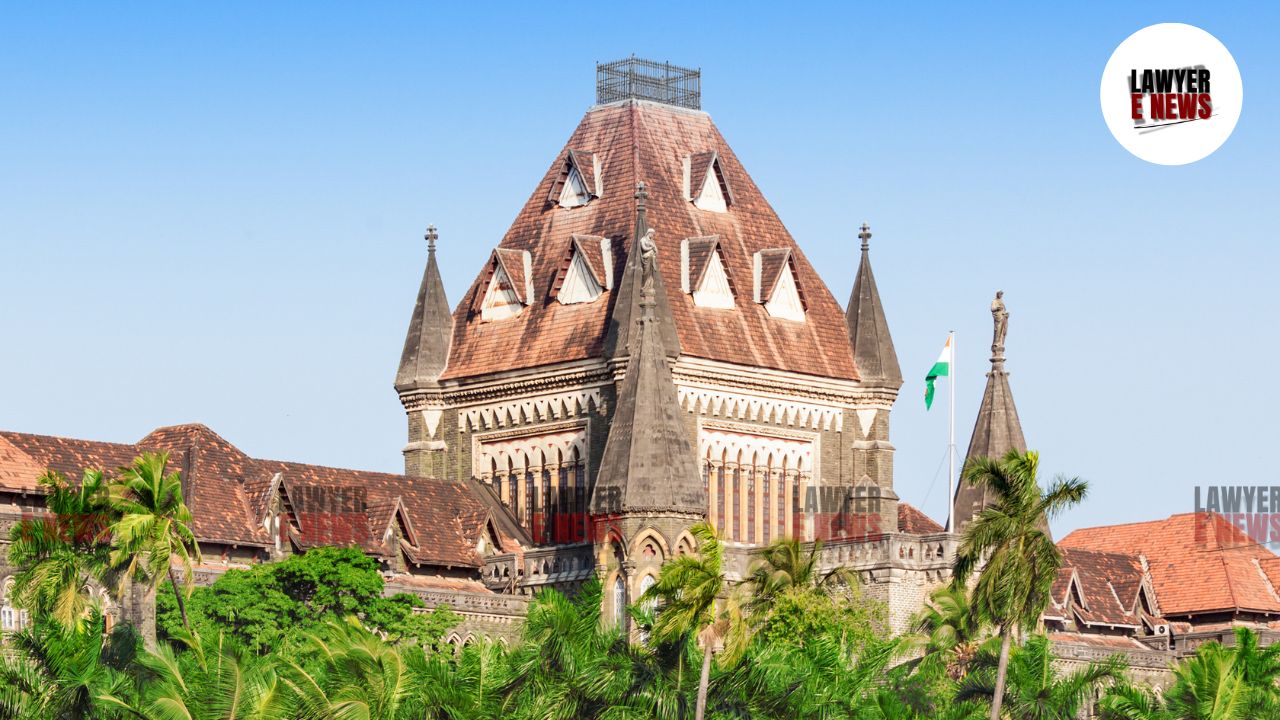
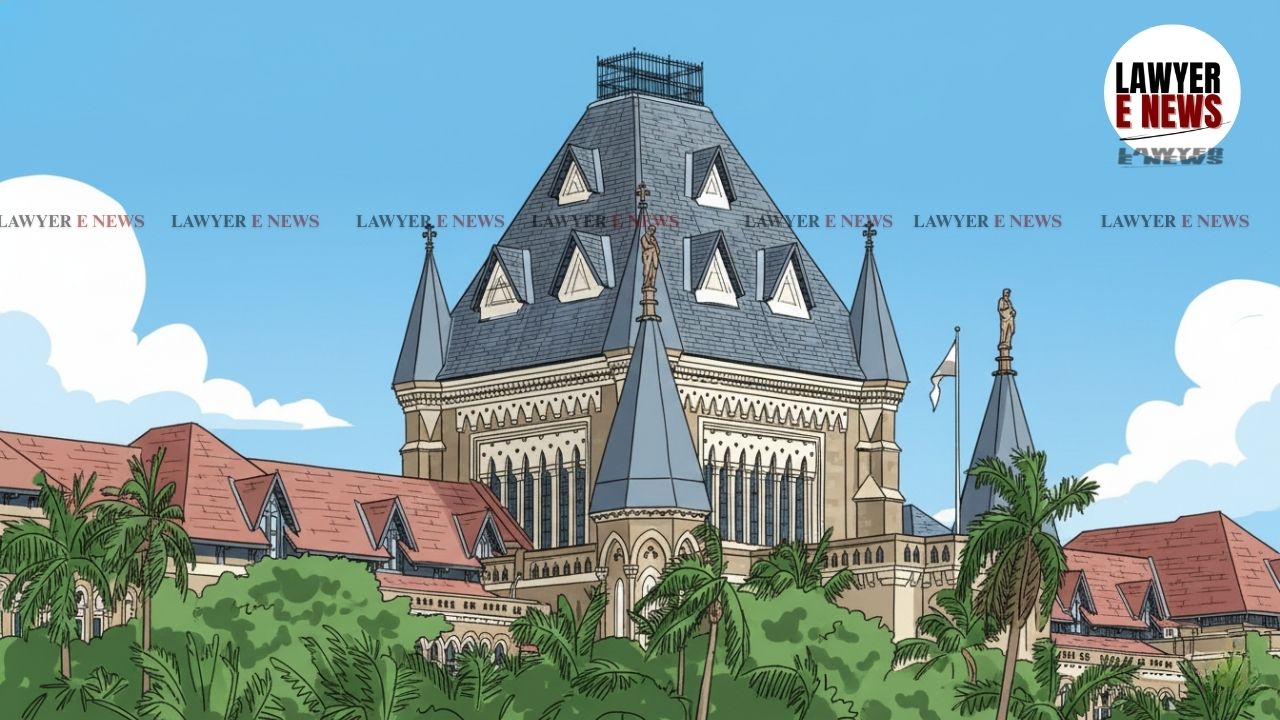
Bombay High Court at Aurangabad, in a strongly worded judgment by Justice Arun R. Pedneker, dismissed the writ petition filed by L.G. Balakrishnan & Bros Ltd. challenging the Industrial Court's order which had declared the termination of 37 unionised workers illegal, discriminatory and in violation of statutory labour rights. The Court found that the terminations were not about genuine concerns over educational qualifications, but were driven by "a clear act of victimisation" for the workers' involvement in trade union activities. The High Court upheld the Industrial Court's direction for reinstatement with 50% backwages, reiterating that employers cannot override statutory industrial protections by relying on clauses in appointment letters.
“This Court is not persuaded to believe that the so-called demand for original certificates was anything but a targeted mechanism to selectively eliminate those who had dared to organise” – observed Justice Pedneker while delivering the 123-page reportable judgment that deals with core principles of labour law, natural justice, and union rights.
Selective Termination Camouflaged As Verification
The petitioner-company operates a manufacturing unit at Jalna and employs over 500 workers. In 2019, a large group of workers joined the Aurangabad Mazdoor Union (CITU) to press for better wages and working conditions. This led to a series of confrontations, during which interim orders from the Industrial Court restrained the company from altering service conditions or terminating employment without following due process.
Despite the protection orders being in force, the company terminated 29 workers on 31 January 2020 and another 8 on 1 February 2020, alleging that they failed to produce their original educational certificates—particularly ITI diplomas—despite being given several opportunities. The company claimed it discovered that the certificates submitted by 38 employees at the time of joining were forged and relied on Clause 17 of the appointment letter, which stated that “if any certificate of your qualification is found to be not genuine… this appointment order will stand cancelled automatically.”
However, the terminated workers, all members of the union, filed Complaint (ULP) No. 225/2019 before the Industrial Court, alleging unfair labour practices under Section 28 read with Schedule II and IV of the Maharashtra Recognition of Trade Unions and Prevention of Unfair Labour Practices Act, 1971 (MRTU & PULP Act). The Industrial Court ruled in their favour, declaring the terminations as acts of victimisation under Item Nos. 1(a), 1(b), 4(a), and 5 of Schedule II and Items 2, 5, 6, and 9 of Schedule IV.
Jurisdictional Challenge Rejected – “Union Victimisation Falls Squarely Within Industrial Court’s Domain”
One of the primary legal issues raised by the petitioner was that the Industrial Court lacked jurisdiction to entertain a complaint involving termination of employment, arguing that such matters fall exclusively under the Labour Court’s domain under Section 7 of the MRTU & PULP Act.
The High Court rejected this argument, holding that where the termination is alleged to be a result of trade union activities, the complainant has the legal option to approach the Industrial Court.
“On the allegations made in the complaint, the case will squarely fall within the jurisdiction of the Industrial Tribunal under Section 28 r/w Item Nos. 1(a), 1(b), 4(a), 5 of Schedule II and Items 4, 5, and 9 of Schedule IV” – noted Justice Pedneker, relying on the precedent laid down in Prakash Kashiram Sawant v. Motherson Advanced Tooling Solutions Ltd., 2020 (1) Mh.L.J. 561.
The Court observed that the termination took place during the pendency of proceedings where interim protection was in place, and that only those workers who were members of the union were singled out.
“This Court has no hesitation in holding that the action of the employer was neither innocent nor coincidental—it was retaliatory and intended to suppress collective bargaining” – the Court firmly held while confirming the jurisdiction of the Industrial Court.
“Loss of Confidence” Was A Mere Excuse – Court Slams Employer For Pretextual Dismissals
The company defended its actions by claiming that it lost confidence in the workmen upon discovering that their ITI certificates were allegedly fake. However, the Court observed that no proper inquiry was held, no charge-sheet was issued, and no procedural fairness was followed.
“To say that the management had lost confidence in the employees since they had failed to produce original ITI certificates, is merely a farce/excuse… more so when none of the employees were issued notice at an earlier point of time for non-performance or having committed errors in their duties” – declared the Court.
The High Court also held that Clause 17 of the appointment order, which permits automatic cancellation of employment for forged certificates, cannot override statutory labour protections.
“The contract of employment is controlled by statutory provisions of industrial law applicable to the workmen and cannot override principles of natural justice and legal process,” it stated, quoting Bharatiya Kamgar Karmachari Mahasangh v. Jet Airways Ltd., AIR 2023 SC 3596.
The Court noted that the complainants had been employed for over five years, were promoted after training, placed on probation, and eventually made permanent based on work performance—not certificates. Their removal, years later, based on verification of old documents, applied selectively to unionised employees, was termed “wholly mala fide.”
Natural Justice Violated – Interim Orders Ignored
Not only were the terminations effected without any inquiry or notice, but they also took place in clear defiance of restraining orders passed by the Industrial Court in December 2019.
“The termination is in violation of the interim order of the Industrial Court in a ULP complaint filed for victimisation of the complainants for being members of the respondent No. 1/Union” – the High Court noted, affirming the Industrial Court's findings that the employer had undermined judicial authority and natural justice.
The Court observed that workers were deliberately humiliated by being made to attend meaningless “training” sessions using projected videos with no technical relevance, even after court orders directed that they be allowed to resume regular work.
“This so-called training was nothing more than a facade, designed to deny the workmen their lawful right to resume duties and to harass them for their union affiliation,” the Court noted.
Reinstatement with Backwages Justified – “Wrongdoer Cannot Benefit From His Own Wrong”
The company argued that reinstatement was not feasible due to the alleged breach of trust and claimed that the workers had been gainfully employed elsewhere. However, the Court rejected both contentions.
Citing the landmark judgment in Deepali Gundu Surwase v. Kranti Junior Adhyapak Mahavidyalaya, (2013) 10 SCC 324, the Court held:
“In cases of wrongful termination, reinstatement with continuity of service and backwages is the normal rule... the wrongdoer is the employer, and the sufferer is the employee. There is no justification to give a premium to the employer for his wrongdoing.”
The High Court further noted that the company itself had opted to pay 50% wages as interim relief instead of allowing workers to resume duties, and had failed to prove gainful alternative employment by the workers.
“The company has not taken the employees although available for employment... the order of backwages cannot be faulted with.”
Court Observes Discriminatory Pattern – Workers Who Left Union Were Reinstated
The Court took judicial notice of a pattern that emerged during the prolonged litigation — that only members of the Aurangabad Mazdoor Union were terminated, while those who left the union were allowed back in service, and even granted settlements.
“The Management has used the ITI qualification as subterfuge against the complainants/employees for joining respondent No. 1/Union” – concluded the Court.
This observation further strengthened the finding that the dismissals were not about qualifications but were driven by anti-union animus, violating fundamental rights under Article 19(1)(c) of the Constitution.
Dismissing the writ petition, the Bombay High Court upheld the Industrial Court’s findings that the employer engaged in unfair labour practices by victimising unionised workers, violating interim judicial orders, and failing to follow lawful procedures.
The Court confirmed the order of reinstatement of 37 terminated workers with 50% backwages, directed that all dues be cleared within a stipulated period, and held that Clause 17 of the appointment order cannot override statutory rights and due process.
“There is no merit in the writ petition; it deserves to be and is accordingly dismissed,” concluded Justice Arun R. Pedneker.
Date of Decision: 17 October 2025