
-
by sayum
26 August 2026 4:44 AM







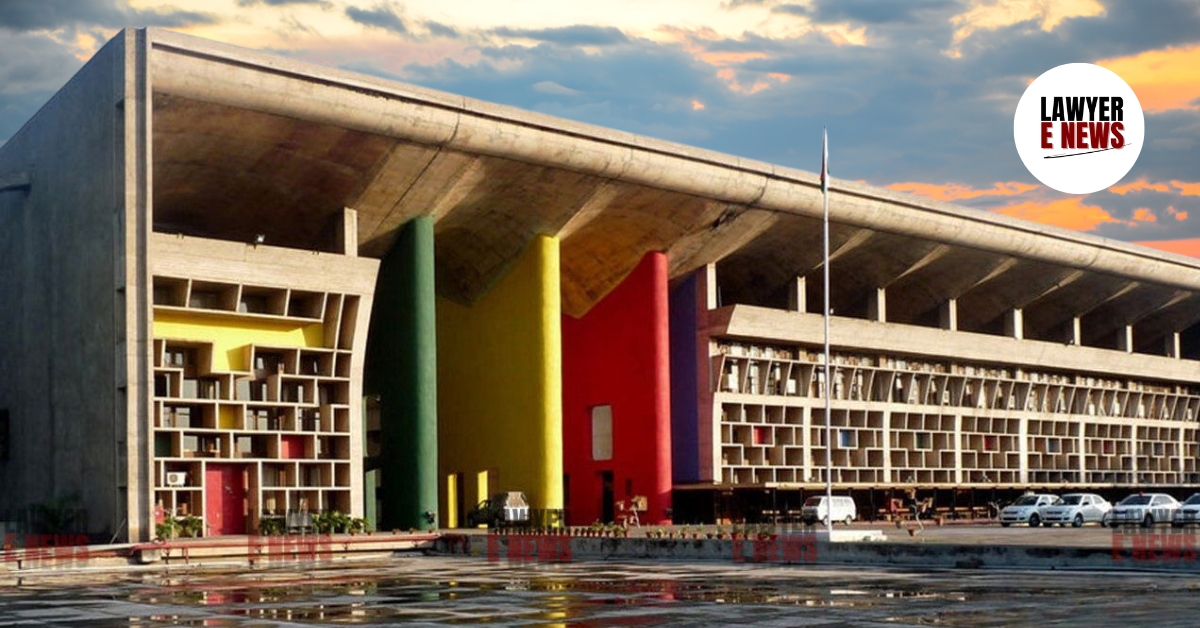
“Change of user has materially impaired the value of the property — resumption was initiated and landlords have every right to reclaim what they legally own” – Punjab and Haryana High Court upholding the eviction of tenants who had violated the express purpose of tenancy by converting a basement meant for storage into a full-fledged crockery showroom. Justice Archana Puri made it clear that “the tenant’s convenience does not override the landlord’s right to reclaim premises for a legitimate personal purpose, especially when breach of contract invites legal and administrative consequences.”
The Court dismissed the tenants’ revision petition, affirming concurrent findings by the Rent Controller and Appellate Authority that the misuse of the basement, coupled with bonafide personal necessity and impairment of value, justified eviction under the East Punjab Urban Rent Restriction Act, 1949.
From Storage to Showroom — Misuse That Backfired
The landlords had rented the basement portion of SCO No. 409-410, Sector 35-C, Chandigarh to the petitioners in 1981 for a monthly rent of ₹1800. Crucially, the lease explicitly restricted usage to “storage purposes only,” under Clause 5 of the agreement.
However, over the years, the tenants began using the basement as a retail showroom, directly in violation of the lease terms. This led to the resumption proceedings initiated by the Estate Officer, culminating in the resumption order dated 25.11.2004, which stated:
“Basement is being used for sale of crockery items against the sanctioned purpose of storage.”
Faced with the threat of losing the entire property, the landlords filed an ejectment petition, citing bonafide need, unauthorised change of user, and material impairment to the property.
“Unauthorized Commercial Use Jeopardized Landlords' Ownership”
The High Court was unambiguous in holding that the change of use from storage to showroom was not just technical — it carried legal and financial ramifications for the landlords.
Justice Archana Puri observed:
“The user of the premises by the tenant has materially impaired the value and utility of the premises and also the entire building… cancellation of lease deed would reduce the value drastically.”
The Court noted that the lease agreement strictly prohibited such user, and no written consent was ever obtained from the landlords. The tenant’s reference to administrative notifications was dismissed as irrelevant when measured against the clear terms of the lease and actual consequences suffered.
“Earlier Petition Withdrawal Does Not Attract Res Judicata — A Right Can’t Be Lost Due to Legal Technicality”
The tenants argued that since an earlier eviction petition was withdrawn in 2004, the fresh petition was barred under res judicata. The Court disagreed.
It noted that the earlier petition was withdrawn with liberty, and was rendered ineffective due to a Government Notification dated 07.11.2002, which temporarily ousted rent control for properties above ₹1500 rent.
Justice Puri held:
“Mere withdrawal of the earlier petition due to change in law cannot result in a bar against filing a fresh one. There was no suppression. A right cannot be extinguished simply due to procedural adjustments.”
“Landlord Has Every Right to Choose Basement for His Business — Tenant Cannot Suggest Alternatives”
One of the central grounds pressed by the landlords was their bonafide personal requirement of the basement to start a general store related to information technology and communication services, while keeping the upper floors for interaction with customers.
The tenants tried to argue that other floors were available, and thus eviction was unnecessary.
Rejecting this line of argument, the Court invoked the time-honoured principle:
“The landlord is the best judge of his own need.”
Citing Sarla Ahuja v. United India Insurance and Rani Devi v. Shakuntla Devi, the Court held:
“The mere fact that another portion fell vacant and was let out by the landlord would not be a ground to reject the eviction application.”
and
“It is not for the tenant to dictate terms to the landlord as to how else he can adjust himself without getting possession of the tenanted premises.”
The High Court found the landlords’ requirement genuine, specific, and reasonable, and ruled that no mala fides could be attributed to them for needing the very basement that had become the subject of municipal scrutiny due to the tenant’s misuse.
Eviction Upheld — Tenant Cannot Retain Premises by Defying Lease Terms
In conclusion, the High Court upheld the concurrent findings of the Rent Controller and Appellate Authority. It held that the grounds of bonafide need, change of user, and impairment of utility and value were all proven.
The Court observed:
“Allowing the tenant to continue in the premises would only perpetuate an illegality and prejudice the landlord’s rights — both under the lease and as an owner facing resumption threats.”
Accordingly, the revision petition was dismissed, and the eviction of the tenant from the basement was affirmed.
Date of Decision: 18.09.2025