-
by sayum
04 August 2026 9:39 AM







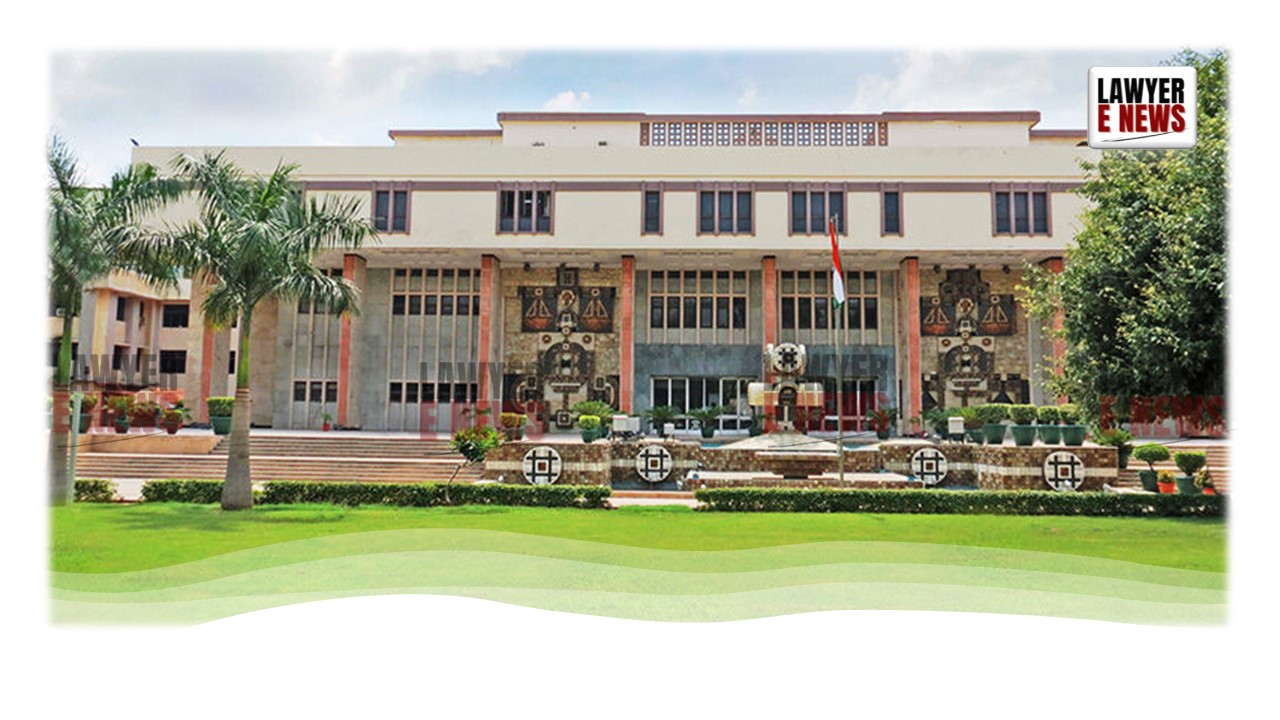
“The defence raised by the appellant was completely moonshine and requires no further evidence to be led to be rejected” - Delhi High Court dismissed an appeal by tenant affirming a Trial Court’s order directing him to pay arrears of rent and vacate portions of the rented premises. A Division Bench of Justices Navin Chawla and Renu Bhatnagar held that the tenant’s plea—based on alleged oral assurances by the landlady’s relatives—had no legal substance and could not override a registered lease deed.
The Court ruled that the tenant must pay rent at the contractual rate of ₹84,000/month from March 1, 2018, to October 19, 2023, and thereafter ₹60,000/month till possession of the remaining portions is handed over.
The dispute arose over property no. 1548, Outram Lines, Kingsway Camp, Delhi, which was rented to the appellant Virender Kumar by the respondent landlady, Rekha Bhayana, under a registered lease deed dated June 18, 2016. The lease expired on May 31, 2018, but the appellant continued in possession without paying rent since March 1, 2018.
In response to a legal notice dated March 19, 2018, the landlady initiated eviction and recovery proceedings. The tenant did not dispute the lease but claimed that he had made substantial payments to the respondent’s relatives—her brother-in-law Ashok Bhayana and son Sahil Bhayana—and that oral assurances were made that these amounts would be adjusted or repaid upon vacating the premises.
He further asserted that the rent was orally reduced to ₹15,000/month and that he had already surrendered part of the premises.
“Tenant is liable under registered lease—oral assurances by third parties irrelevant”
Rejecting the appellant’s argument that family members of the landlady had orally modified the rent or made informal arrangements, the High Court observed: “It was not the case of the appellant that the respondent took the possession of the first floor from him or gave him any assurance... The defence raised by the appellant was completely moonshine and requires no further evidence to be led to be rejected.”
The Court emphasized that the tenant’s liability stemmed from a formal lease agreement with the landlady herself, and not with her relatives.
“Claim of Limitation is Misconceived—Tenant Was Bona Fide Party to Earlier Suit”
Another major contention by the appellant was that the claim for rent from March 2018 was barred by limitation. The High Court rejected this, citing Section 14 of the Limitation Act: “The respondent was bona fide pursuing her claim in a Civil Court... which Suit was finally returned to be filed before the appropriate Commercial Court... the respondent is entitled to the benefit of Section 14 of the Limitation Act.”
The Court thus held that the claim was well within the limitation period.
“Summary Judgment Under Order XIII-A Was Justified”
Addressing the use of Order XIII-A (summary judgment) of the Civil Procedure Code, the Court found it fully justified in the commercial suit:
“Order XIIIA has been introduced... to empower the Court to pass a summary judgement... where the defendant has no real prospect of successfully defending the claim...”
Since the tenant had admitted the tenancy, rent, and continued possession, the Court ruled that: “The learned Trial Court had rightly passed an order directing the payment of arrears of rent at the rate of ₹84,000/- per month from 01.03.2018 till 19.10.2023... Thereafter ₹60,000/- per month for ground and second floors.”
The appeal against these orders was found meritless.
While affirming the decree for possession and arrears of rent, the Court clarified that the question of damages and penalty was still pending before the Trial Court. The tenant may raise his arguments on the ₹90,000/- security deposit and any excess payments during that proceeding: “The learned Trial Court shall consider any adjustment of amounts, if paid in excess in terms of Impugned Order... after allowing the parties to lead evidence.”
Reinforcing the sanctity of registered lease agreements and the irrelevance of informal family-based claims, the Delhi High Court dismissed the tenant’s appeal and upheld the commercial court’s decree for recovery of possession and unpaid rent. The tenant’s attempt to avoid liability based on oral modifications and unrelated financial transactions was decisively rejected.
Date of Decision: May 2, 2025