-
by sayum
28 August 2026 10:07 AM







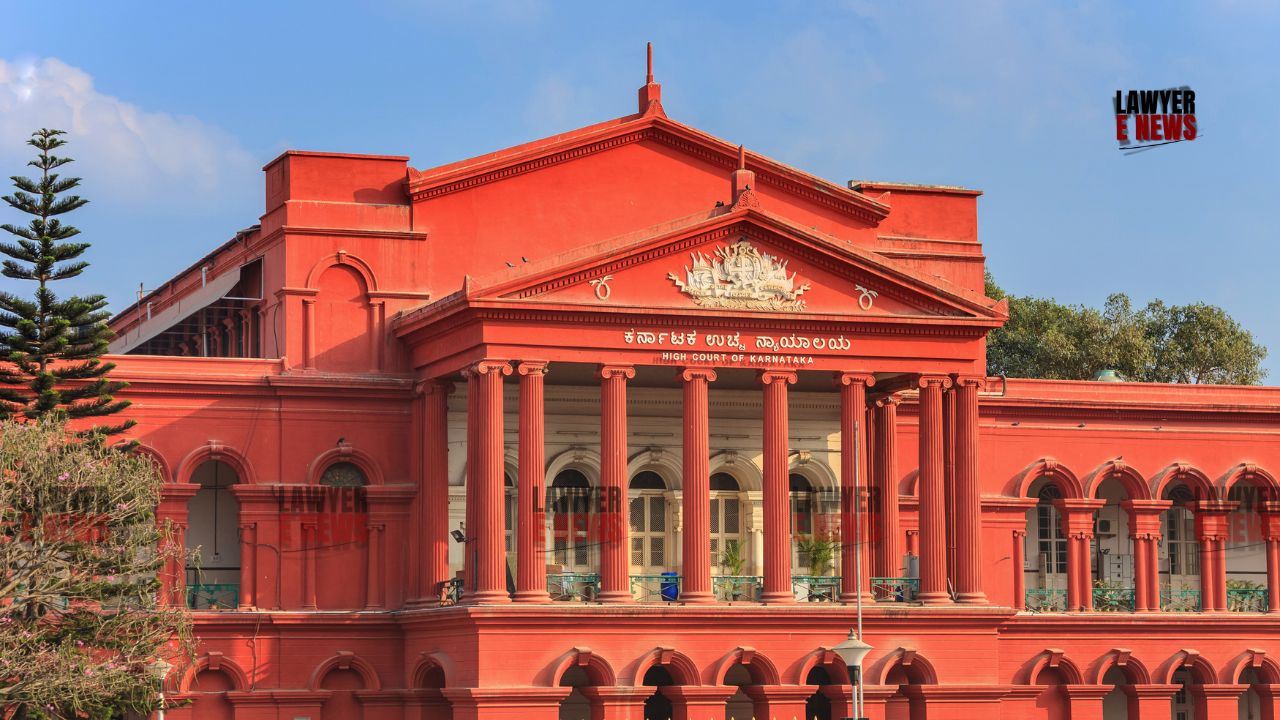
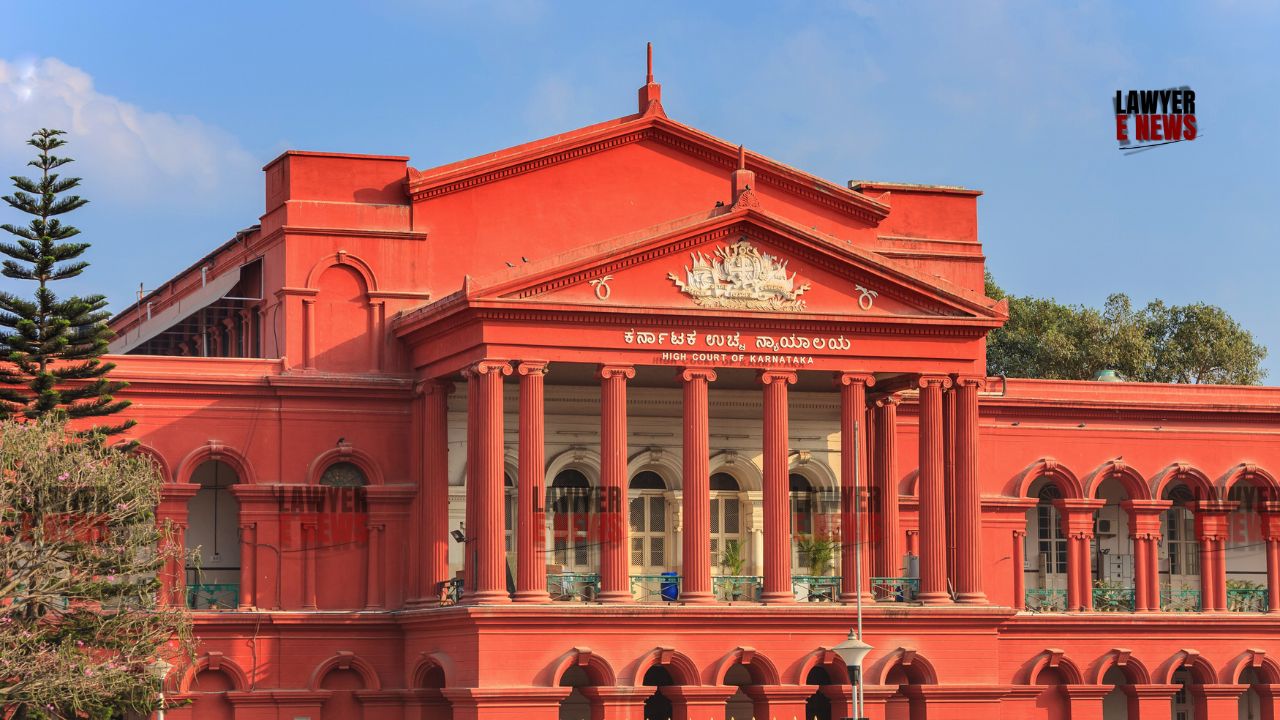
"Plaintiff's readiness and willingness for making payment of the balance consideration could not be established as... the sum total of the professional income, agricultural income and income from other sources of the plaintiff's family was only Rs.2,78,657/- and it would not be possible to conclude that the plaintiff was ready with his part of contribution," High Court of Karnataka at Bengaluru, in a significant judgment dated June 3, 2026, held that a plaintiff seeking the discretionary relief of specific performance must demonstrate actual financial capacity to fulfill their part of the contract.
A division bench of Justice D K Singh and Justice T.M. Nadaf observed that a meager annual income and a bank balance significantly lower than the required balance consideration are sufficient grounds to deny the relief of specific performance.
The case arose from a Regular First Appeal filed against a Trial Court judgment which had partly decreed a suit for the refund of advance money but refused the primary relief of specific performance. The dispute involved an agreement of sale dated January 12, 2005, for agricultural land in Bellahally Village, where the appellant claimed he was entitled to half the property after paying a portion of the advance.
The appellant (plaintiff), a Chartered Accountant, entered into an agreement with the owners (Respondents 1-6) to purchase 8 acres and 2 guntas of land for approximately Rs. 1.26 Crores. While an advance of Rs. 50 Lakhs was paid jointly by the plaintiff and Respondent 7, the transaction was complicated by a prior agreement with a third party (Respondent 8). The validity of the plaintiff’s agreement was contingent upon a Memorandum of Understanding (MOU) to clear the rights of this third party through additional payments.
The primary question before the court was whether the appellant/plaintiff had proved his readiness and willingness to perform his part of the contract as per the Specific Relief Act. The court was also called upon to determine if the subsequent sale of the property by the owners to the father of Respondent 7 was a fraudulent transaction intended to defeat the plaintiff's rights.
Financial Capacity Is The Sine Qua Non For Readiness And Willingness
The Court meticulously examined the financial standing of the appellant at the time the contract was to be performed. It noted that the Trial Court had rightly analyzed the plaintiff's income tax returns and bank statements. The bench observed that when the balance consideration required from the plaintiff was nearly Rs. 35 Lakhs, his family's total annual income was merely Rs. 2,78,657/-.
The Court further highlighted that the plaintiff's bank balance during the critical period for performance was only Rs. 4,166/-. The bench remarked that there was nothing on record to suggest the plaintiff had the liquidity to conclude the transaction. It emphasized that "readiness" refers to financial capacity, while "willingness" refers to the mental intent to perform.
Self-Serving Documents Without Corroboration Carry No Evidentiary Value
The appellant had relied on a letter from his father-in-law, who purportedly promised to provide Rs. 45 Lakhs for the land purchase. The Court rejected this evidence, noting that the father-in-law was never examined as a witness nor was his own financial capacity proved. The bench observed that such letters are "self-serving documents" that cannot be relied upon in the absence of independent corroboration.
"It was a self-serving document in absence of its corroboration. The father-in-law was not examined before the Court nor his financial status to contribute Rs.45,00,000/-... was brought on record."
Dishonour Of Cheques Rendered The Substituted Agreement Unenforceable
The Court delved into the tripartite arrangement involving the confirming party (Respondent 8). The performance of the sale agreement was "axiomatic" and subject to the fulfillment of the MOU where the plaintiff had to pay for the release of prior rights. However, the cheques issued by the plaintiff towards this MOU were dishonoured with the endorsement "payment stopped by drawer."
The bench held that the failure to discharge the obligation under the MOU meant that the prior sale agreement of 2004 remained in force. Consequently, the agreement of 2005, which the plaintiff sought to enforce, could not be activated. The Court noted that "the plaintiff himself was at fault and he alone was responsible for rescinding the sale agreement."
No Absolute Right To Seek Partial Performance Of A Joint Promise
The appellant had alternatively sought specific performance for only half of the property (the 'B' schedule property). The Court clarified that the sale agreement did not confer any right upon the purchaser to seek performance for a portion of the land. Such an option was reserved only for the vendors under Clause-8 of the agreement in the event of a default by the purchasers.
"The sale agreement... did not confer any right upon the plaintiff to seek performance of contract in respect of a portion of the suit 'A' schedule property. Such option was provided only to the defendant Nos.1 to 6."
Settlement Reached During Appellate Proceedings
Despite the legal findings being against the appellant, the Court noted that during the pendency of the appeal, the parties arrived at a settlement. The Respondents agreed to pay a total sum of Rs. 5 Crores to the appellant as a full and final settlement of all claims related to the 2005 agreement. The Court recorded this settlement, directing the payment to be made within four weeks.
The Court affirmed the Trial Court's decision to deny specific performance but modified the final decree to reflect the substantial settlement amount agreed upon by the parties. It made it clear that the appellant would have no further interest or claim over the suit property, allowing the respondents to develop or alienate the land freely.
Date of Decision: June 3, 2026