-
by sayum
28 July 2026 11:21 AM







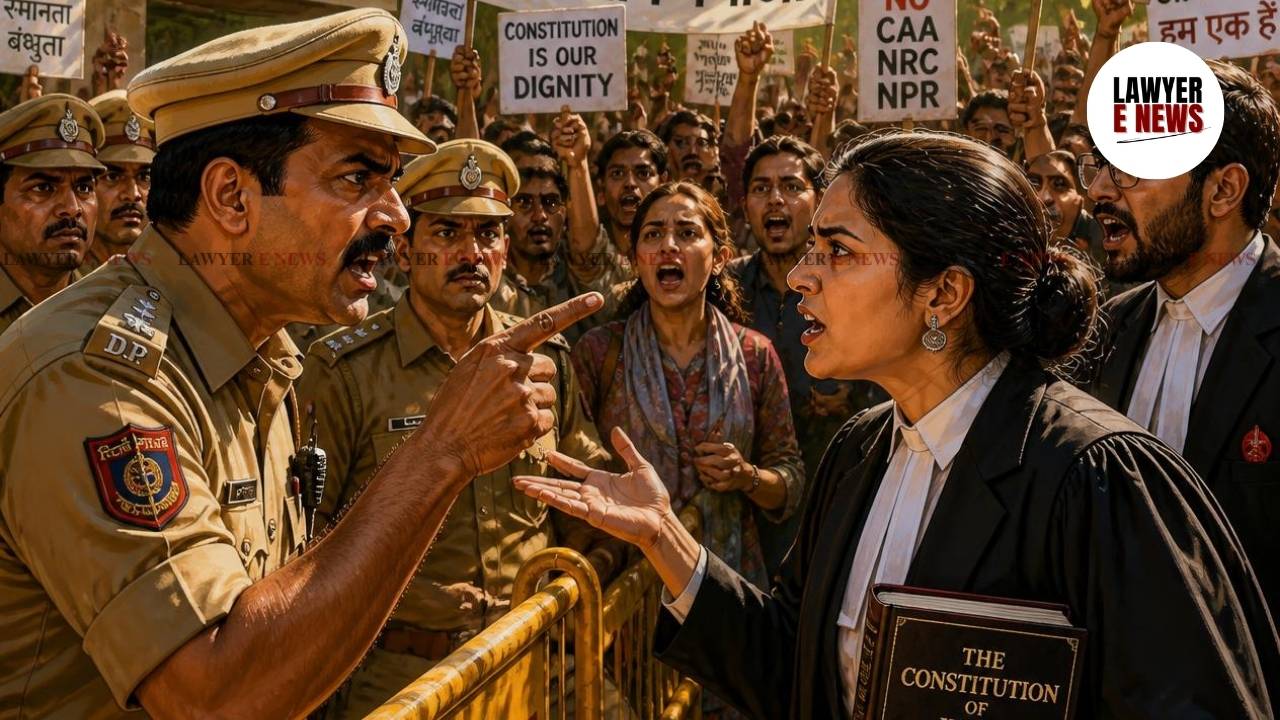
"The right to peaceful protest is an integral facet of democratic expression and professional representation, provided it remains within the boundaries of law and public order." Delhi Police Commissioner, in an administrative communication issued ahead of the scheduled demonstrations, granted formal permission to lawyers and bar association members to stage a peaceful protest at Jantar Mantar on August 7, 2026, over mounting grievances concerning the Legal Aid Defense Counsel (LADC) system.
A delegation of advocates had approached the police administration seeking statutory clearance, leading to the sanctioning of the demonstration site under strict regulatory guidelines. The police administration observed that while security and public order must be maintained, the legitimate concerns of legal professionals regarding institutional policy changes warrant a designated democratic space for expression.
The background of the controversy traces back to widespread dissatisfaction among practicing advocates across various trial courts regarding the implementation, remuneration structures, and institutional scope of the Legal Aid Defense Counsel system. Bar associations argued that the centralized nature of the LADC framework impacts independent practitioners and interferes with traditional legal aid delivery mechanisms. Despite representations made to administrative bodies and legal services authorities, talks failed to yield a consensus, prompting local bar councils and advocate collectives to call for a coordinated strike of advocates and a mass demonstration in the national capital.
The primary question before the administrative and legal authorities was whether the striking advocates could be permitted to hold a public demonstration at a designated national protest site like Jantar Mantar. The authorities were also called upon to balance the constitutional right to freedom of speech and expression under Article 19(1)(a) of the Constitution of India with the imperative duty of maintaining public order and unhindered traffic movement in central Delhi.
Advocates Assert Right To Protest LADC Policies
The legal community has maintained that the LADC scheme, as currently structured, undermines the Bar and marginalizes young lawyers who rely on panel counsel assignments for sustenance and professional growth. Representatives of the agitating advocates emphasized that the strike of advocates and the proposed rally at Jantar Mantar are intended to draw urgent attention to structural flaws in legal aid administration.
Police Administration Imposes Regulatory Conditions - "Protest Must Not Disrupt Public Order Or Traffic Flow"
Granting the requisite permission, the Delhi Police stipulated strict conditions to ensure that the protest on August 7 remains orderly and does not cause severe disruption to commuters or public infrastructure. The administration noted that while the fundamental right to assemble peacefully is recognized, organizers must ensure adherence to permissible noise levels, specified timings, and capacity limits at the Jantar Mantar venue.
Statutory Framework And Constitutional Principles
The administrative clearance underscores the delicate balance between the statutory duties of law enforcement agencies under the Delhi Police Act and the fundamental rights guaranteed under Part III of the Constitution of India. Legal analysts note that peaceful agitations by professional bodies, including a strike of advocates, form a part of legitimate democratic dissent, provided they do not obstruct the administration of justice or violate specific judicial injunctions regarding court boycotts.
The Delhi Police concluded by directing the organizing committee of the advocates' association to furnish an undertaking of compliance with all local security regulations. The demonstration scheduled for August 7, 2026, will proceed under close police monitoring, with instructions issued to traffic units to manage potential congestion around the Jantar Mantar area while ensuring the safety of the participating legal professionals.