-
by sayum
28 August 2026 2:11 PM







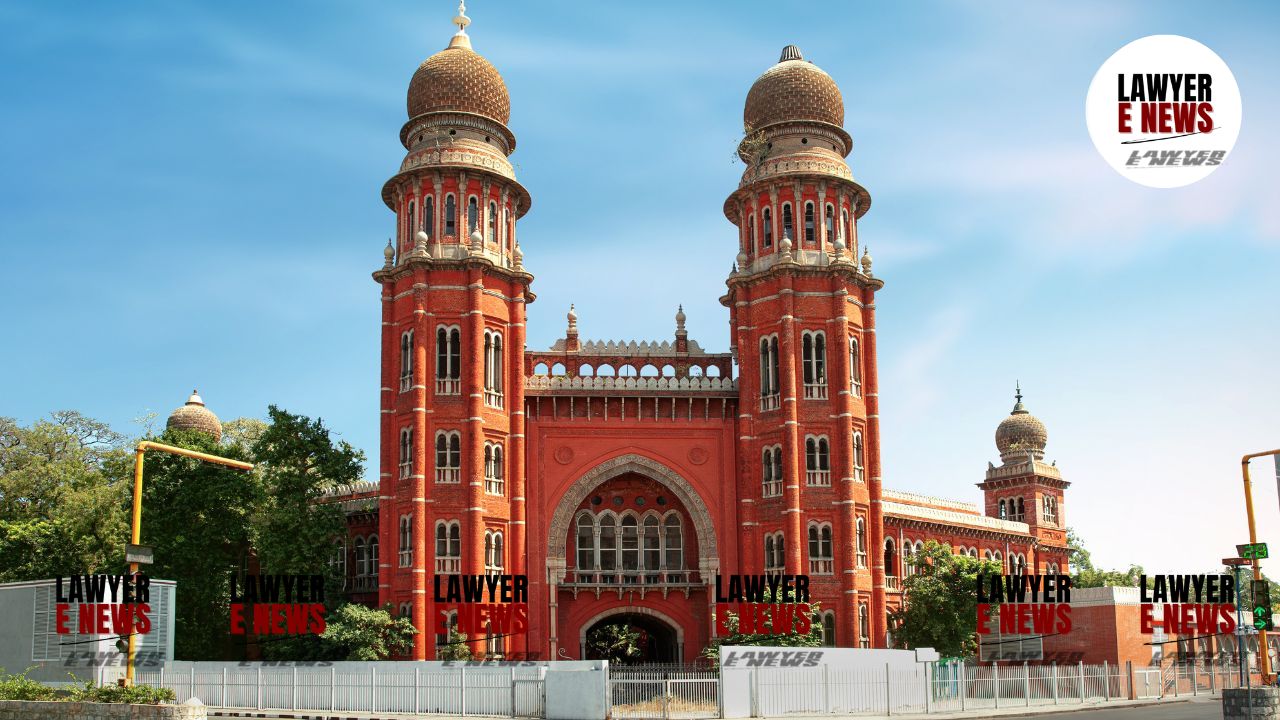
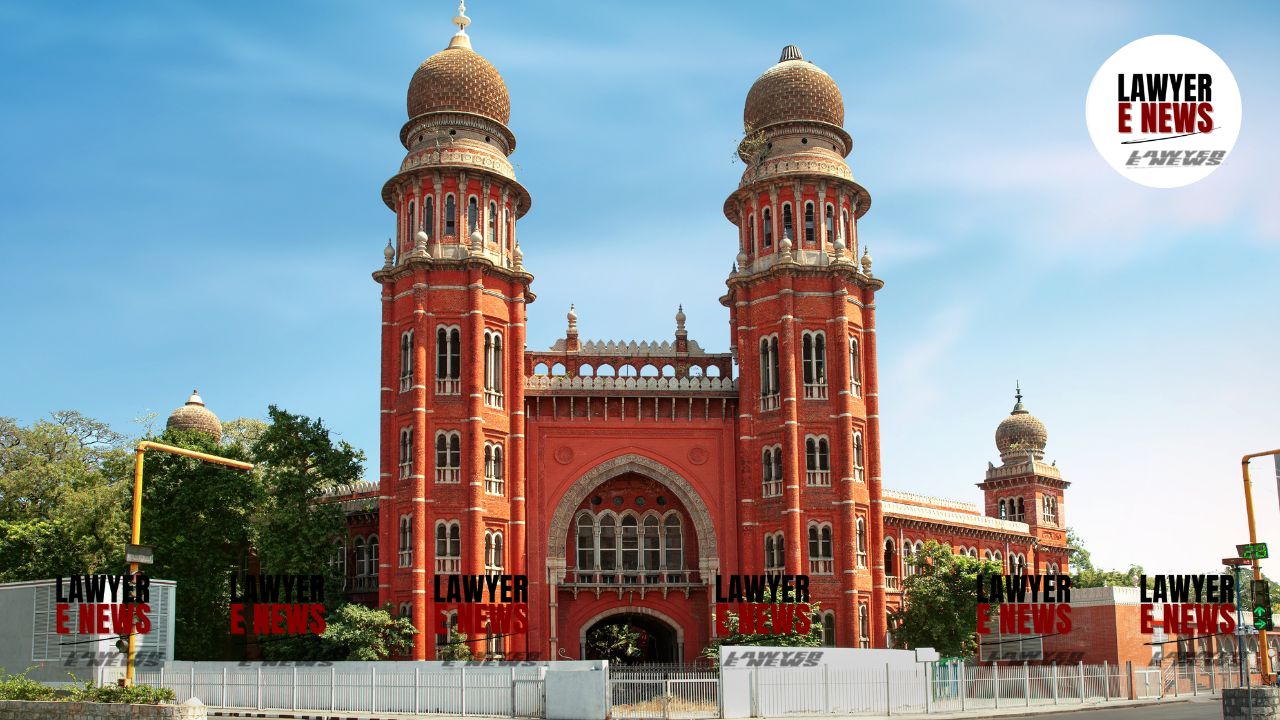
"The right to protest to be safeguarded and not to be termed as criminal offence... Unlawful assembly itself would not amount to commission of offense," Madras High Court, in a significant ruling, held that gathering to celebrate the anniversary of an association or a religious festival is a fundamental right and cannot be construed as a criminal act.
A single-judge bench of Justice M. Nirmal Kumar observed that the mere act of assembling without prior permission does not constitute an offence under the Bharatiya Nyaya Sanhita (BNS), especially when no prohibitory orders are in force or communicated to the public.
The case arose from an incident on October 2, 2025, when fifteen petitioners gathered with RSS flags in Ambur to celebrate the 100th anniversary of their association and the Vijayadasami festival. On a complaint by the Village Administrative Officer alleging public hindrance, the police registered a case under Sections 189(3), 223, 126(2), and 293 of the BNS, 2023. The petitioners moved the High Court seeking to quash the proceedings pending before the Judicial Magistrate, Ambur.
The primary question before the court was whether a peaceful gathering for a celebration without prior permission constitutes a criminal offence under the BNS. The court was also called upon to determine if the prosecution could sustain charges of unlawful assembly in the absence of specific allegations of violence, hindrance, or disobedience of a communicated prohibitory order.
Right To Assemble Is A Fundamental Right Under The Constitution
The court observed that the petitioners gathered primarily to celebrate the 100th-anniversary ceremony of their association and the Vijayadasami festival. Justice M. Nirmal Kumar noted that such a gathering is protected under the fundamental rights provided by the Constitution of India. The bench remarked that the petitioners were essentially exercising their right to assemble, which should not be viewed through a purely criminal lens.
"Right to Dissent is the Hallmark of Democracy, the petitioners only expressed their displeasure which is their fundamental right."
Lack Of Independent Witnesses Casts Doubt On Prosecution Case
During the perusal of the final report, the court found that the prosecution had failed to examine any independent eye witnesses to incriminate the petitioners. The witnesses cited were either government officials or mere "passers-by," and no member of the general public had lodged a complaint regarding any actual hindrance to transport or safety. The court held that this lack of independent testimony caused serious doubt on the veracity of the complaint.
Court Notes Absence Of Communicated Prohibitory Orders
A crucial finding by the court was the total absence of evidence showing that any prohibitory orders were in force on the date of the occurrence. Furthermore, the court emphasized that even if such orders existed, there was no material to show they were communicated to the public in the prescribed manner. In the absence of such communication, the court held that the petitioners could not be prosecuted for disobedience.
"There is no material to show that there was any promulgation of prohibitory orders which was communicated to the public and there was any disobedience by the petitioners."
Unlawful Assembly Without Specific Criminal Acts Not An Offence
The bench clarified the legal position regarding unlawful assembly, stating that the act of assembling itself does not automatically amount to the commission of a crime. The court noted that the allegations in the final report were general in nature and lacked specific details to attract the penal provisions of the BNS. It found that the prosecution failed to show that any actual trouble or public disturbance occurred due to the assembly.
Adherence To The Precedent Set In Jeevanandham Case
The court placed heavy reliance on its earlier authoritative pronouncement in Jeevanandham and others Vs. State Rep. by Inspector of Police and another (2018). It noted that the police had failed to follow the specific guidelines issued in that case regarding the registration and investigation of such matters. The court reiterated that the right to protest must be safeguarded and the continuation of such trials constitutes a clear abuse of the process of law.
"In several this type of cases, this Court quashed the investigation against the accused on similar ground... the continuation of trial is wholly unsustainable."
In its final order, the High Court allowed the Criminal Original Petition and quashed the proceedings in STC.No.282 of 2026. The court concluded that the assembly was a peaceful exercise of constitutional rights and that the criminal justice machinery should not be used to penalize citizens for celebrating milestones or festivals.
Date of Decision: 28 April 2026