-
by sayum
26 August 2026 10:38 AM







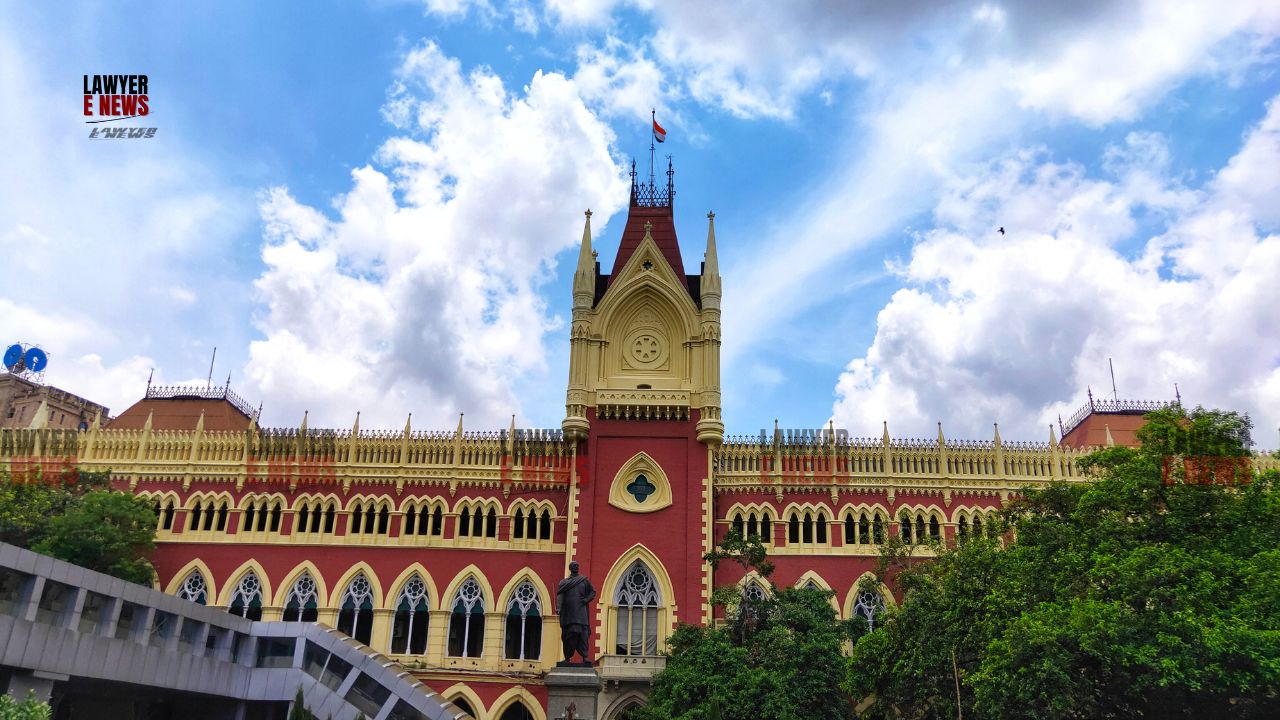
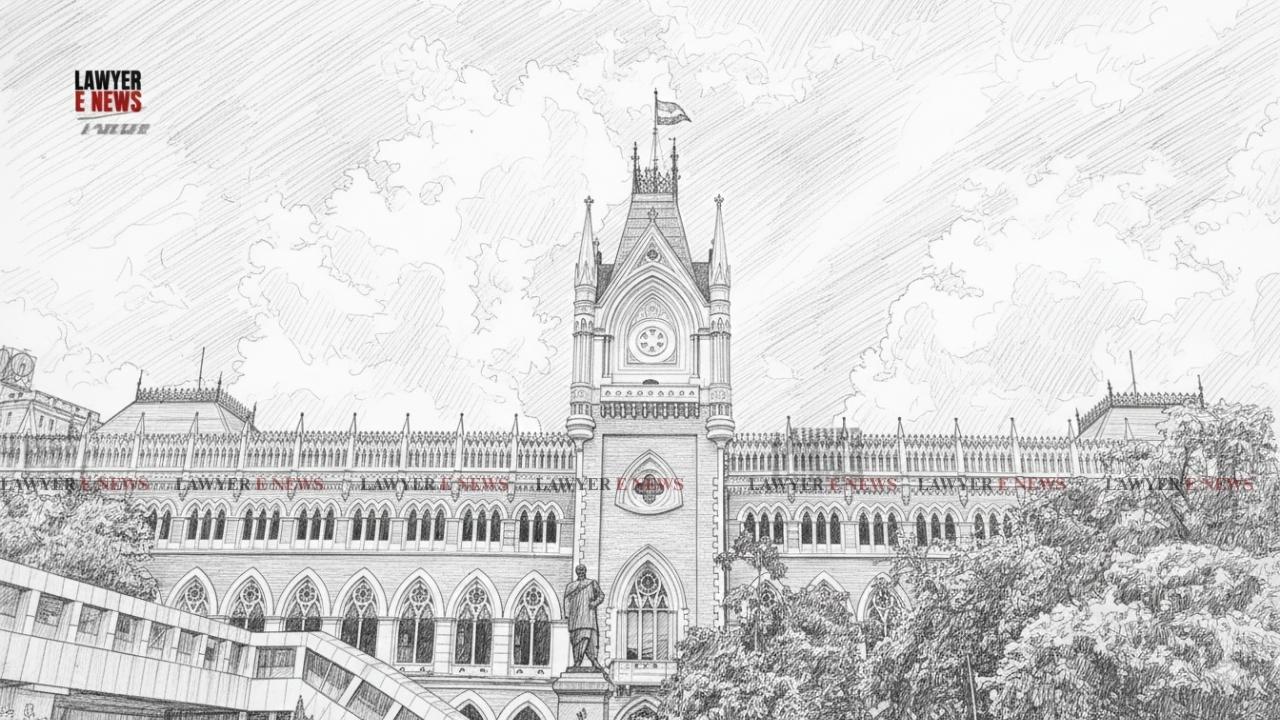
In a significant judgment delivered on 31st October 2025, the Calcutta High Court refused to quash a defamation complaint initiated under Section 356(2) of the Bharatiya Nyaya Sanhita, 2023, and upheld the order of the Chief Judge, City Sessions Court, Calcutta, taking cognizance of the offence and issuing summons to Advocate and politician Koustav Bagchi. Justice Apurba Sinha Ray, deciding Criminal Revision Case No. 2817 of 2025, held that republication of defamatory content, even when based on already published material, amounts to an actionable offence, particularly when it concerns statements directed at a public functionary in relation to their conduct in office.
The case arose from the petitioner’s act of uploading excerpts from a book published in 2015 which contained insinuations regarding the alleged personal relationship and undisclosed marriage of the Hon’ble Chief Minister of West Bengal. Though the book itself had not been banned, the petitioner uploaded a page containing a letter dated 30th April 2012 addressed to the Chief Minister in her capacity as Chairperson of the All India Trinamool Congress. The letter sought information about the alleged presence of one Shri Ghosh at her official oath-taking ceremony and within her chamber at Writers’ Buildings on the day she assumed office. The Public Prosecutor, with the sanction of the State Government, filed a complaint under Section 222(2) of the Bharatiya Nagarik Suraksha Sanhita, 2023, claiming the statements were defamatory and had a nexus with the Chief Minister’s public functions.
The petitioner challenged the cognizance and summons, arguing that the book was already in public domain and not banned, and that he had merely republished content originally authored by another. He further contended that the allegations pertained solely to the Chief Minister’s personal life and not to her conduct in the discharge of official duties, and therefore the Public Prosecutor lacked the authority to file a complaint under Section 222(2) BNSS. However, the High Court rejected these arguments, holding that even if the content was previously published, the act of republishing it without permission constituted a fresh and independent cause of action in law.
Justice Ray reasoned that the relevant excerpts from the book specifically questioned the presence of the alleged individual in the official chamber of the Chief Minister and at her oath-taking ceremony, both of which were acts directly connected to her public office. The Court observed that any conduct occurring in the course of such public functions can prima facie be treated as within the ambit of official duty, and it would be premature to conclude otherwise without evidence. The Court noted that each second of a public official’s time within their office chamber must be presumed to be in furtherance of official duties unless the contrary is shown, and that burden would lie on the person making the defamatory assertion or republication.
Justice Ray further addressed the issue of liability for republication. Drawing from precedents including Kaikhusuru Naroji Kabraji v. Jehangir Byramji Murzban (1890), Arvind Kejriwal v. State (2024), and Amber Quiry v. Yohan Tangra (2023), the Court reiterated that every repetition of defamatory material creates a fresh legal wrong. The Court clarified that even hyperlinking or retweeting such content, without contextual disclaimers, constitutes republication. The petitioner, having reposted the letter on social media and made televised remarks without any critical or distancing commentary, was therefore prima facie liable for defamation irrespective of the original publication’s status or availability.
The Court also pointed to the fact that the book in question expressly prohibited reproduction without the author’s permission. The petitioner had produced no evidence of having obtained such permission, which in the Court’s view further undermined his defence. It emphasized that the author’s restriction on republication must be respected and that the right to circulate such material does not arise merely because the content is available in the market.
Justice Ray rejected the argument that the Public Prosecutor had not applied his mind before filing the complaint. Relying on the Supreme Court's observations in Subramanian Swamy v. Union of India (2016), Bairam Muralidhar v. State of A.P. (2014), and K.K. Mishra v. State of M.P. (2018), the Court held that the role of the Public Prosecutor under Section 222(2) BNSS is not mechanical and requires an independent application of mind. In this case, the Public Prosecutor had received statutory sanction, examined relevant material, and followed due process, including giving the petitioner an opportunity of hearing under Section 223 BNSS before the issuance of summons.
Justice Ray concluded that the issue of whether the content pertained strictly to the Chief Minister’s personal life or whether it had a bearing on her public conduct was a matter requiring trial and could not be adjudicated at the preliminary stage. The observations made in K.K. Mishra, where the Supreme Court found that the Public Prosecutor failed to apply independent judgment, were found inapplicable as no such procedural lapse occurred in this case.
The Court dismissed the revision petition, holding that there was no infirmity in the order passed by the Chief Judge, City Sessions Court, Calcutta on 18th June 2025. The Court affirmed that a prima facie case was made out against the petitioner for prosecution under Section 356(2) BNS, and declined to interfere with the proceedings at the threshold.
The judgment concludes with a clarification that all interim applications are disposed of, and that the sealed copy of the book submitted during the hearing be returned to the petitioner. The High Court’s observations are to be treated as tentative, only for the purposes of deciding the revisional application, and will not affect the merits of the pending trial.
Date of Decision: 31.10.2025