-
by sayum
28 July 2026 1:44 PM







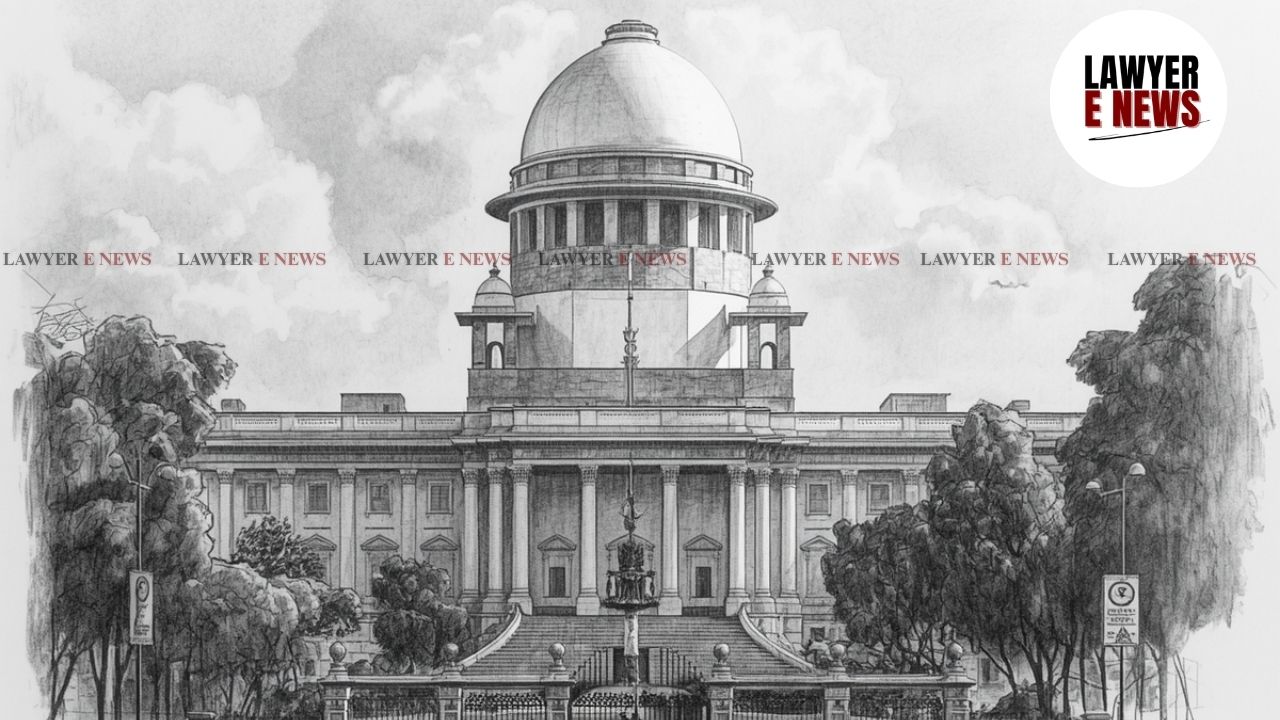
"Contempt of the orders of this Court strikes at the very foundation of the rule of law and the authority of the judiciary. When public functionaries defy judicial orders with impunity, it casts a deep and lasting shadow over the administration of justice," Supreme Court, in a stern ruling, observed that officials entrusted with public duties cannot treat the directions of the highest court of the land with apathy or delay.
A bench comprising Justice Vikram Nath and Justice Sandeep Mehta noted that judicial orders must be addressed with the promptitude and urgency they imperatively demand, rather than being treated as matters to be resolved at the leisure of the authorities.
The petitioner, Bharat Kumar Badlani, moved the Court alleging wilful disobedience of an interim order dated January 30, 2026, which directed Jaipur’s municipal authorities to de-seal his premises and restore possession. Despite a written representation in February and a legal notice in March, the authorities remained inactive for nearly three months. Compliance was only secured after the Supreme Court intervened in the contempt petition and granted a final 24-hour window on April 23, 2026.
The primary question before the court was whether the persistent inaction of the respondent-authorities amounted to wilful disobedience and contempt of the Court’s de-sealing order. The Court also examined whether the authorities' demand for a "security deposit" simultaneously with the de-sealing process constituted a retaliatory act designed to circumvent the judicial direction.
Court Expresses Grave Displeasure Over Evasive Conduct Of Officials
The Court placed on record its "grave and unequivocal displeasure" regarding the conduct of the respondent-contemnors, including the Deputy Commissioner and the Director of Local Bodies. The bench observed that the record revealed a disturbing pattern of evasion and deliberate disregard for clear and unambiguous judicial mandates.
"Orders of the highest Court are not to be addressed at leisure"
The bench emphasized that the discharge of public duties requires officials to respect the hierarchy of the legal system. The judges noted with concern that it was only the initiation of contempt proceedings and a final 24-hour ultimatum that set the administrative machinery in motion, nearly three months after the original direction was issued.
"Contempt strikes at the very foundation of the rule of law" - Simultaneous Monetary Demand Viewed As Coercive And Retaliatory
The Court took serious note of a communication issued by the Director of Local Bodies on April 24, 2026, demanding over Rs. 10.52 Lakhs from the petitioner as a "security deposit" at the exact moment of de-sealing. The bench characterized this demand as "wholly improper" and "bearing the character of a coercive and retaliatory act" against a citizen who had sought judicial intervention.
"A demand made at the moment of compliance with a judicial order is retaliatory" - Power To Punish For Contempt Must Be Exercised With Restraint
While finding a prima facie case for framing charges, the Court noted that the power to punish for contempt must be exercised with restraint and a regard for the ends of justice. The bench observed that punishment is not an end in itself but a means to secure compliance and uphold the dignity of the judiciary.
"Punishment is a means to serve as a deterrent to those who treat judicial orders with levity" - Unconditional Apology Accepted With Strict Warning Against Future Defaults
The respondent-contemnors, including Ms. Seema Chaudhary and Mr. Om Prakash Kasera, tendered unconditional affidavits of apology and withdrew the controversial monetary demand. Taking cognizance of the fact that the property had finally been de-sealed and possession restored, the Court decided to accept the apologies and discharge the contempt notice.
"Future defaults shall be viewed with utmost severity and without indulgence"
The Supreme Court disposed of the contempt petition by accepting the unconditional apologies of the Rajasthan officials, while clarifying that its observations are confined to the contempt proceedings and do not affect the merits of the pending Special Leave Petition. The Court warned that any future negligence in the face of judicial orders would be met with the utmost severity.
Date of Decision: May 29, 2026