-
by sayum
04 August 2026 6:31 AM







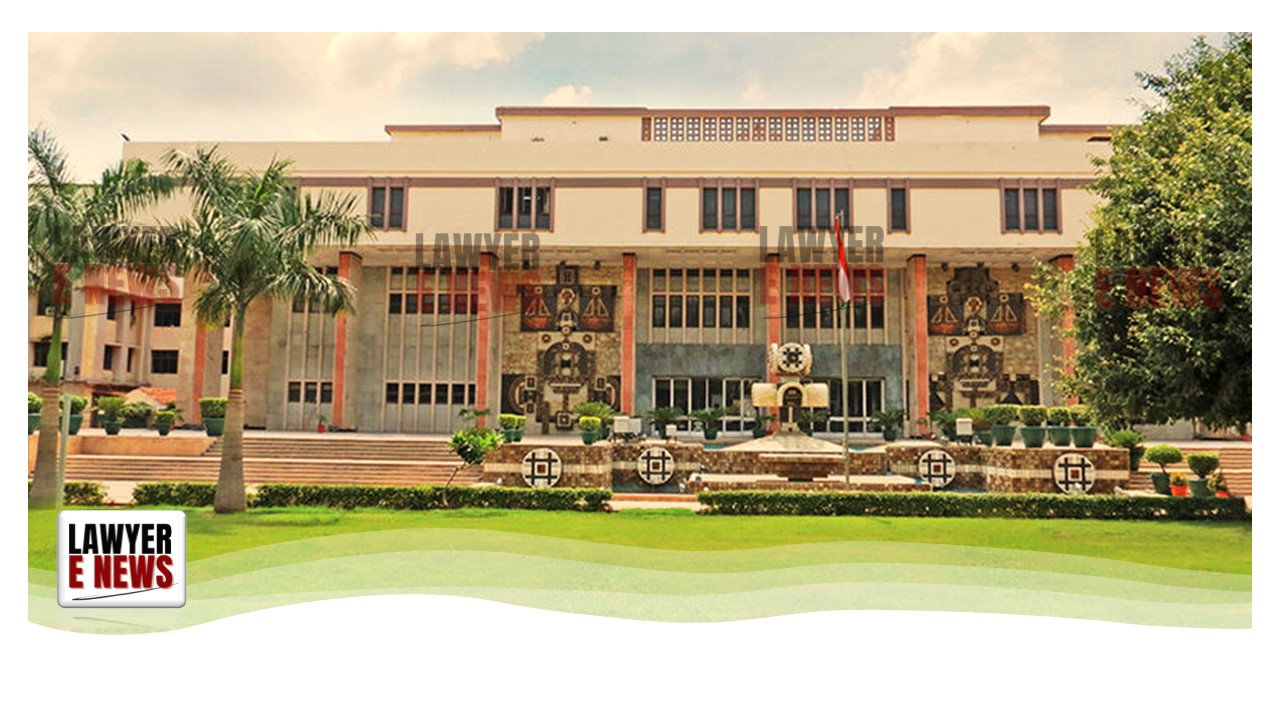
"Procedural Irregularities in Interception Cannot Eclipse Overwhelming Prima Facie Evidence at the Stage of Framing Charges," - Delhi High Court firmly holding that when prima facie evidence of demand and acceptance of illegal gratification exists, the framing of charges cannot be thwarted by procedural objections relating to call interception. Justice Neena Bansal Krishna emphasized that the probative value of intercepted calls and the legality of surveillance would be matters for the trial, not preliminary hurdles at the stage of framing charges.
The controversy arose from allegations that Binod Giri, a UDC in the Vigilance Cell of CBI, was soliciting bribes from companies seeking vigilance clearances. The investigation revealed transactions including a ₹10,000 deposit into the account of an associate of Giri, as well as acceptance of a Lenovo tablet as an illegal gratification. Relying on phone call interceptions, banking transactions, and witness statements, the prosecution charged the petitioners under Section 120B IPC and Sections 7, 12, 13(1)(a), 13(2) read with 13(1)(d) of the Prevention of Corruption Act, 1988. The petitioners challenged the charges, arguing that no lawful permission existed for phone surveillance and there was no substantive evidence of demand.
The Delhi High Court rejected the petitioners' objections with the categorical assertion that "at the stage of framing of charge, the probative value of materials on record cannot be gone into; the materials brought on record by the prosecution have to be accepted as true." Referring to the testimonies of crucial witnesses, Justice Krishna observed, "There is prima facie evidence, well documented by the testimony and statements of witnesses and also by documents that prima facie establish that pursuant to his demands for illegal gratification, petitioner Binod Giri accepted money/Lenovo Tablet, as a bribe."
The Court clarified that the lack of a Letter of Request for call interception and alleged procedural flaws were serious questions of admissibility but must be decided only during trial. Quoting established principles, the Court stated, "The evidentiary value of the intercepted calls in the absence of a Letter of Request can only be appreciated during the trial."
The defense argument that the payment of ₹10,000 was a family help rather than bribe was dismissed. Justice Krishna firmly noted that "the plea of personal help stands demolished by the evidence of transactions and the statements recorded," citing that independent witness testimony corroborated the illegal demand.
On the broader question of framing of charges, the Court reiterated the principle laid down in State of Maharashtra v. Som Nath Thapa that the Court must proceed if a strong suspicion exists based on the materials. The Court also referred to Neeraj Dutta v. State (Govt. of NCT Delhi) to hold that the initial threshold for framing charges is significantly lower than that for conviction.
The Delhi High Court found that there existed adequate documentary and oral evidence suggesting a criminal conspiracy and actual acceptance of illegal gratification. Observing that "the learned Special Judge has rightly considered the prima facie evidence against the two petitioners narrated in the chargesheet," Justice Krishna ruled that "the charges have been rightly framed and the petitions challenging the same must fail." The procedural lapses alleged by the defense were considered insufficient to interfere at the initial stage, reinforcing that these would be adjudicated during the trial in accordance with law.
The petitions filed by Binod Giri and Asif Ibrahim Dadarkar were thus dismissed, clearing the way for the trial to proceed on the basis of charges already framed.
Through this ruling, the Delhi High Court has reaffirmed a fundamental principle of criminal jurisprudence: that the framing of charges is based on prima facie satisfaction from the material on record, not on a full-fledged examination of admissibility or credibility of evidence. Justice Krishna concluded with the emphatic pronouncement that "procedural defects or alleged irregularities in call interception cannot eclipse the overwhelming evidence indicating demand and acceptance of bribe, and must await judicial scrutiny at trial."
This judgment stands as a sharp reminder that accused persons cannot preemptively defeat a criminal prosecution at the stage of charge framing by invoking technicalities when the allegations are otherwise strongly corroborated.
Date of Decision: 28 April 2025