-
by sayum
04 August 2026 6:31 AM







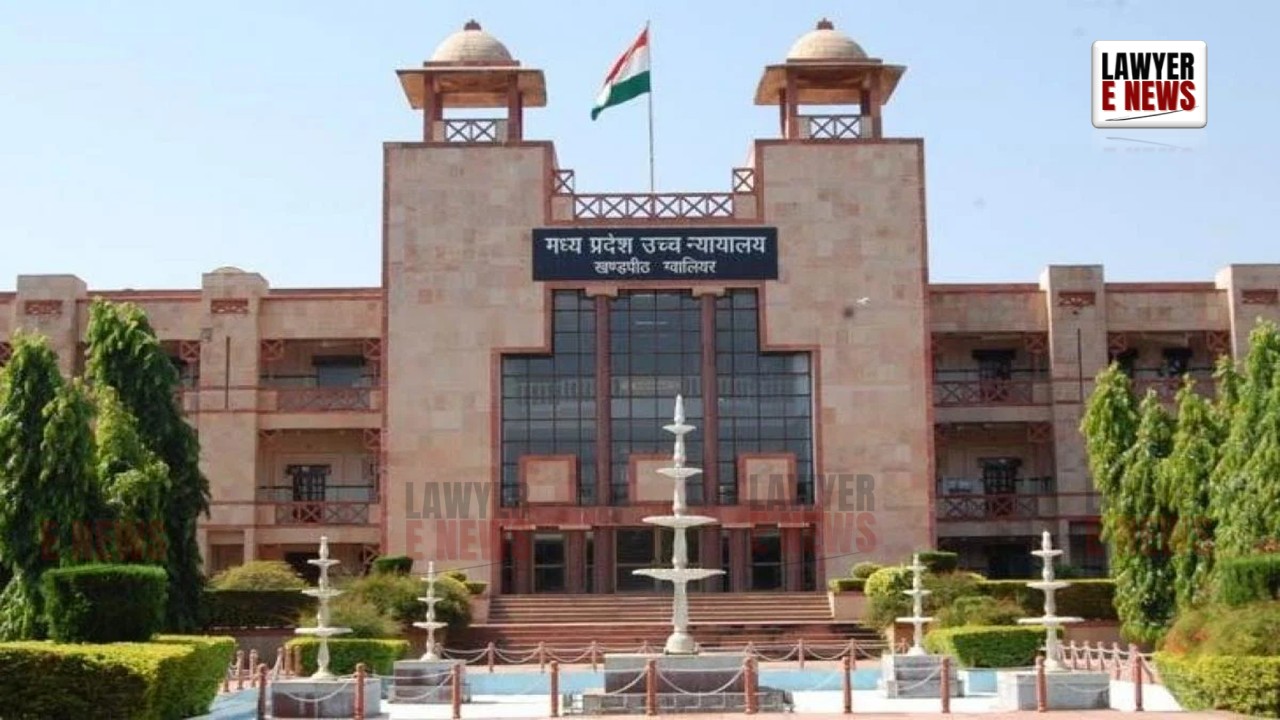
“He Was Not a Licensee Plucking Crops — He Was a Lawful Tenant Holding Title” - In a judgment that walks through the corridors of agrarian history and statutory evolution, the Madhya Pradesh High Court, Indore Bench, on April 16, 2025, put to rest a 30-year-old land dispute by affirming the title of the heirs of a long-standing cultivator, declaring them Bhumiswamis, and striking down a sale executed by someone who “had no shadow of right.”
Delivering the verdict in Ghisalal vs. Bhuwanilal (deceased) through LRs Mohanlal & Others, Justice Pranay Verma emphasized that the foundation of the plaintiff’s rights was not casual possession but a legally recognized lease that over decades, transformed into full ownership under multiple layers of land reform laws.
“The document dated 04.03.1945 is a lease deed and not a licence... Possession was not permissive — it was protected.”
“The Moment You Say He Had to Be Paid to Leave, You Admit He Had a Right to Stay”: Court Dissects 1945 Document
The dispute originated with a document executed in 1945 by Motilal in favor of Heeralal (plaintiffs’ father). While the defendant, Ghisalal, claimed it was a mere license — a permission that conferred no legal right — the Court saw it differently.
“The most important condition was that if, at the time of Nathulal’s marriage, there would be need of money, then the amount as shall be determined by two Panch and relatives shall be paid to Heeralal... and only then he shall return the land.”
That clause, the Court said, told a deeper truth: the original occupant was not a passive user but someone granted a protected interest in land.
“This condition itself meant that if the amount is not paid, Heeralal had the right to continue possession.”
Citing Supreme Court precedent in Delta International Ltd. v. Shyam Sundar Ganeriwalla, the Court reiterated that intention and exclusive possession are determinative, and “the thin line between lease and licence must be judged in context, not in abstraction.”
“From Ryot to Bhumiswami — His Journey Was Written in the Statute Book”: Court Traces Statutory Path to Ownership
The Court meticulously traced the chain of land reforms that elevated Heeralal from cultivator to owner:
• Morusi Kashtkar under Kanun Raiyatwari Riyasat,
• Kashtkar under Kanun Mal Gwalior,
• Pakka Tenant under the 1950 Madhya Bharat Land Revenue and Tenancy Act,
• And finally, Bhumiswami under Section 158 of the M.P. Land Revenue Code, 1959.
“Upon coming into force of the Land Revenue Code, 1959, the plaintiffs became Bhumiswamis... The title was no longer informal, it was legal and conclusive.”
The High Court firmly rejected the idea that a mere agreement or unregistered claim could divest such a right:
“For transfer of Bhumiswami rights, a registered document is mandatory. Exhibit D/1 — an agreement allegedly signed by plaintiff — cannot dislodge title.”
“You Cannot Sell What You Don’t Own — Law Recognizes the Cultivator, Not the Claimant”: Court Declares Defendant’s Sale Void
The core of Ghisalal’s claim rested on a sale deed dated June 19, 1989, executed in his favor by Shantilal — someone the Court found had no legal claim to the land.
“Shantilal was not the Bhumiswami. His sale to defendant No.2 is without authority and void ab initio.”
Even the alleged delivery of possession — claimed to have occurred a year prior — was dismissed as unsubstantiated and vague.
“The date, time, manner, and persons in whose presence possession was delivered have not been stated. The claim collapses under its own weight.”
“The Trial Court Erred in Negating Ownership — The Appellate Court Corrected the Course”: Final Affirmation of Plaintiffs’ Title
The trial court had ruled against the plaintiffs, but the first appellate court reversed that verdict, and now the High Court has put the final seal on that correction.
“The lower appellate Court has rightly decreed the claim of plaintiffs and dismissed the counter claim of defendant No.2.”
Rejecting all six substantial questions of law raised by the defendant, the High Court upheld the plaintiffs’ title and possession as Bhumiswamis, declaring the rival claim a legal fiction.
“The appeals are devoid of merit and are dismissed.”
Date of Decision: 16 April 2025