-
by sayum
26 October 2026 4:04 PM







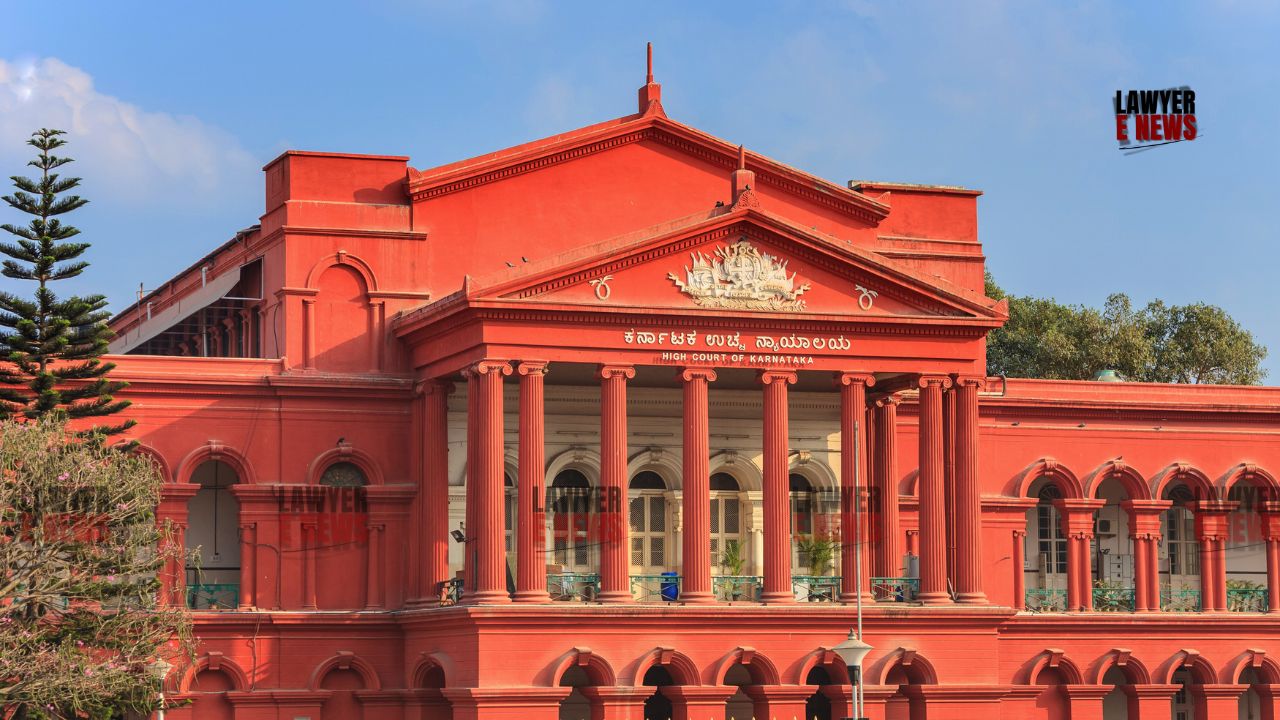
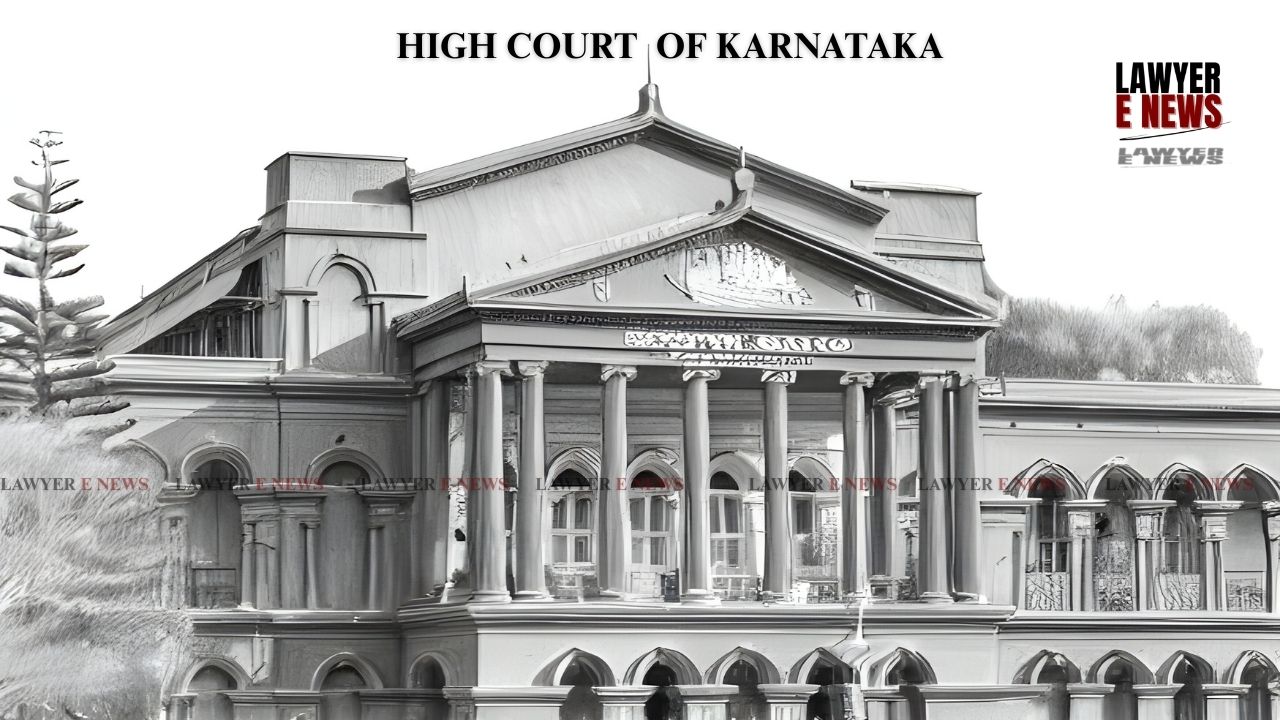
"The principle of natural justice does not invariably require a separate right to file synopsis or written submissions/arguments nor does it require the Court/Authority to reproduce or expressly deal with every submission." Karnataka High Court, in a significant ruling dated September 30, 2026, held that an adjudicating authority’s failure to specifically mention or elaborately discuss every point raised in a party's written synopsis does not constitute a violation of natural justice, provided the authority has considered the substantive oral and written arguments.
A division bench of Justice D.K. Singh and Justice T.M. Nadaf observed that the core requirement is a "real and effective opportunity" for the affected party to know the case against them and present their defense.
The petitioner, JSW Steel Limited, challenged an order passed by the Appellate Tribunal under the PMLA, which had refused to remand the matter back to the Adjudicating Authority. JSW Steel contended that the Adjudicating Authority had confirmed a Provisional Attachment Order (PAO) regarding alleged "proceeds of crime" without considering the synopsis and written submissions filed on their behalf. The petitioner argued that this procedural omission amounted to a breach of the principles of natural justice, necessitating a remand for de novo consideration.
The primary legal questions were whether an adjudicating authority is mandated to expressly address every submission contained in a written synopsis and whether the failure to do so renders the order legally infirm. The court was also called upon to determine if a writ petition is maintainable against an interlocutory order of an Appellate Tribunal when the statutory appellate process is still ongoing.
Scope of Natural Justice
The court clarified that the principles of natural justice are not a rigid formula requiring the mechanical reproduction of arguments in an order. The bench emphasized that if an authority considers the overall material on record and the oral submissions made, the omission to explicitly note a separately filed synopsis does not invalidate the proceedings. The court noted that there is no absolute legal requirement for an authority to provide an exhaustive point-by-point rebuttal of every argument presented.
Duty of Meaningful Consideration
The bench underscored that an authority's obligation is to provide a "meaningful consideration" of the core issues that have a direct bearing on the decision. The duty to provide reasons is context-dependent, and provided the order reflects an application of mind to the relevant material, it satisfies the requirements of law. The court stated, "When the counsel advance their arguments and also file their synopsis and written submissions, it is not required for the Court or Authority to note each and everything which is written in the synopsis."
No Absolute Right to Personal Hearing
Drawing from the Supreme Court’s decision in Union of India vs Jyoti Prakash Mitter, the bench reiterated that natural justice does not automatically guarantee a right to a personal hearing in every judicial or quasi-judicial proceeding. So long as the affected person is afforded a fair opportunity to know the evidence against them and to submit a representation, the procedural requirements are met. The court found that JSW Steel had been granted such opportunities throughout the adjudication process.
Abuse of Process and Maintainability
The High Court expressed strong disapproval of the petitioner’s attempt to bypass the ongoing appellate proceedings by rushing to the High Court with writ petitions. Given that the Appellate Tribunal had already granted the petitioner liberty to raise all issues of law and fact during the final hearing, the court held that no prejudice had been caused. Consequently, the bench termed the petitions a "gross abuse of the process of the Court" and dismissed them as not maintainable.
Reliance on Supreme Court Precedent
The court heavily relied on the Supreme Court’s recent affirmation in JSW Steel Ltd. vs Enforcement Directorate (2025), which cautioned against the exercise of constitutional jurisdiction when an efficacious statutory remedy under the PMLA is already being pursued. The court held that the statutory appellate process must be allowed to reach its logical conclusion without premature judicial interference.
High Court concluded that the petitioner's grievance regarding the violation of natural justice was untenable. The writ petitions were dismissed at the threshold, affirming that the Appellate Tribunal remains the appropriate forum to adjudicate the merits of the attachment order, and that the petitioner must pursue its remedies within the statutory framework of the PMLA.
Date of Decision: 30 September 2026