-
by sayum
26 August 2026 9:49 AM







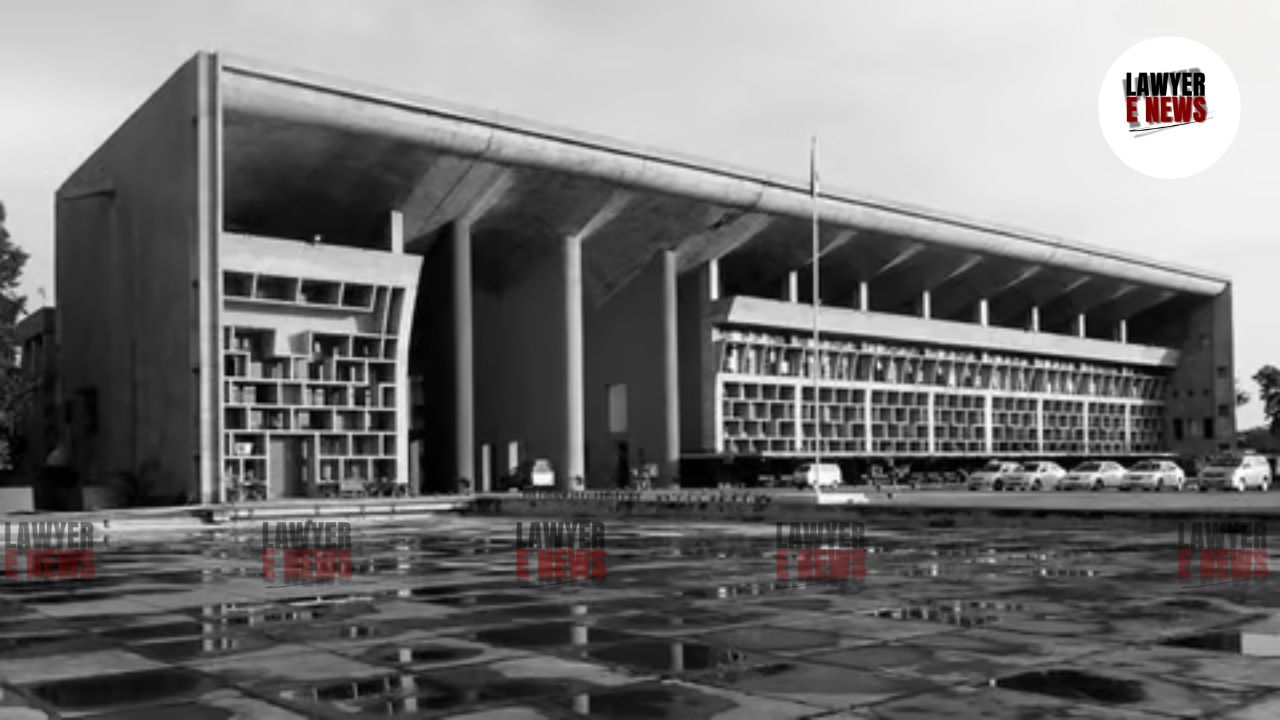
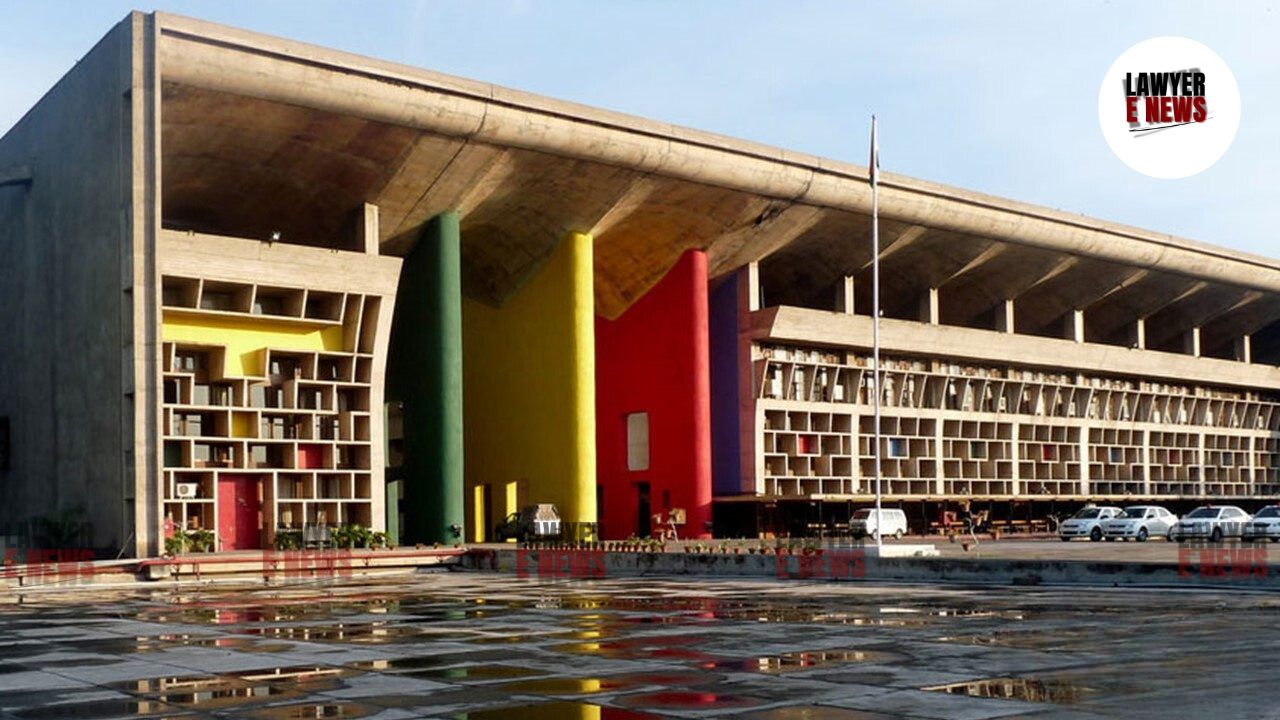
“Misuse of Section 23 to Camouflage Property Disputes Must Be Deprecated”: High Court Partially Cancels Gift Deed Based on Voluntary Relinquishment, Declines Cancellation Against Grandson Who Continues Maintenance. Punjab and Haryana High Court dismissed a writ petition filed by a senior citizen seeking cancellation of a transfer deed executed in favour of his grandsons, under Section 23 of the Maintenance and Welfare of Parents and Senior Citizens Act, 2007.
The Court, presided by Justice Kuldeep Tiwari, found that the petitioner’s allegations of neglect by one of the grandsons (Respondent No.5) were vague, unsubstantiated, and aimed at settling a family land dispute, rather than protecting welfare under the 2007 Act. The Court allowed partial cancellation of the deed only to the extent voluntarily admitted by Respondents Nos.3 and 4, but refused to interfere with the share of Respondent No.5, who continued to pay maintenance.
“Pleading Vague Allegations of Neglect Is Not Enough to Cancel a Gift Deed Under Section 23” – Court Emphasises Proof of Breach
The petitioner, a grandfather and senior citizen, had executed a transfer deed (Wasika No.4352 dated 09.01.2017) in favour of three grandsons. He later approached the Maintenance Tribunal, alleging that none of the transferees maintained him, thereby violating the condition in the deed that obligated them to provide for his basic needs.
Initially, the Tribunal cancelled the deed in its entirety, but on appeal by Respondent No.5, the Appellate Authority remanded the case. On fresh adjudication, the Tribunal refused to cancel the deed but awarded monthly maintenance of ₹24,000, to be paid equally by all three grandsons.
The petitioner, dissatisfied with the grant of maintenance instead of cancellation, filed a writ petition under Article 227 of the Constitution.
Rejecting the plea, the High Court held:
“There are vague assertions in the application that the respondents failed to look after the petitioner, but not even a single instance has been pointed out as to how and in what manner Respondent No.5 breached his duty. No evidence has been brought to substantiate that he had earlier maintained the petitioner and has now stopped.” [Para 12–13]
“Family Land Feuds Masquerading as Senior Citizen Claims Cannot Be Allowed” – Court Criticises Misuse of Welfare Law
The High Court took strong exception to the manner in which the provisions of the 2007 Act were invoked, pointing out that Respondents Nos.3 and 4 had not challenged the Tribunal’s cancellation order earlier, and now admitted they were neither maintaining the petitioner nor interested in keeping the property.
Justice Tiwari observed:
“It is a clear case where the inter se family property dispute is sought to be settled through invocations of the Act of 2007, which cannot be the desired object of the Act. This practice needs to be deprecated.” [Para 13]
The Court highlighted that the Act is meant to protect the dignity and welfare of senior citizens, not to act as a collateral remedy for intra-family property realignment.
“Voluntary Relinquishment by Transferees Valid Ground for Partial Cancellation” – Respondents’ Shares Reverted
Given that Respondents Nos.3 and 4 voluntarily submitted before the Court that they were not in possession and wished to relinquish their shares, the Court partially cancelled the deed to that extent, reverting their shares to the petitioner.
However, the Court declined to interfere with Respondent No.5’s share, noting his consistent conduct:
“Respondent No.5 is already under obligation to pay ₹8,000 per month as maintenance. He continues to honour that commitment and has even produced medical invoices showing care for his grandparents, including cataract surgeries.” [Para 9, 14]
“Maintenance Was Rightly Awarded Despite It Not Being Prayed For” – Tribunal’s Approach Upheld
The petitioner’s counsel argued that the Tribunal could not grant maintenance when the petitioner had only sought cancellation of the deed. Rejecting this submission, the Court held that the Tribunal acted within the spirit of the Act, ensuring that some form of welfare and sustenance was secured for the senior citizen.
Justice Tiwari concluded:
“Since the share of Respondents Nos.3 and 4 is reverted back to the petitioner, and Respondent No.5 is already paying monthly maintenance, the welfare of the petitioner is well taken care of.” [Para 15]
“Section 23 Cannot Be a Weapon to Reopen Family Land Transactions Absent Actual Neglect”
The Punjab and Haryana High Court’s judgment affirms the foundational intent of the Maintenance and Welfare of Parents and Senior Citizens Act, 2007—to protect neglected elders, not to be used tactically to unwind property transfers when family relations sour.
By drawing a distinction between actual neglect and strategic litigation, the Court has sent a strong message that welfare laws must not be hijacked to reframe private property disputes as humanitarian concerns.
“Where proof of neglect is absent, and maintenance is already being provided, cancellation of a gift deed cannot be claimed as a matter of right under Section 23.”
Date of Decision: 13 October 2025