-
by sayum
26 August 2026 12:18 PM








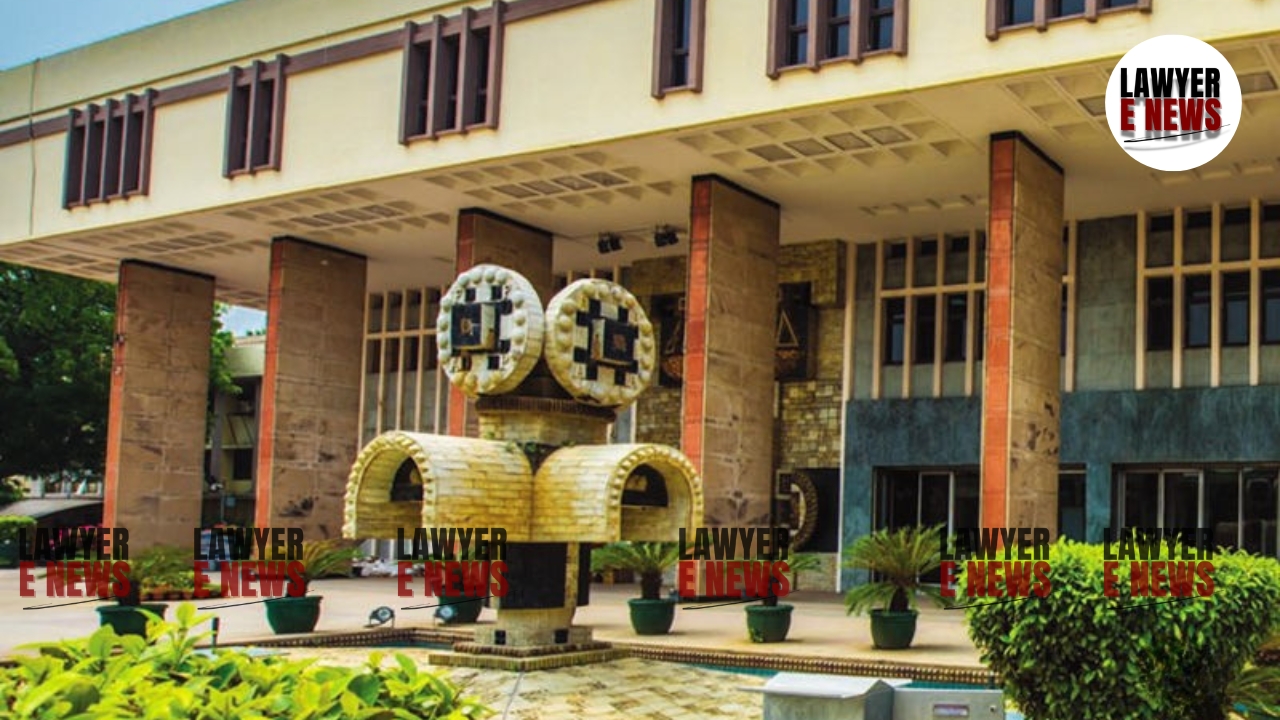
“Denial of exam participation for lack of 70% attendance, without offering any academic alternatives or remedial measures, is not just excessive—it is constitutionally impermissible,” ruled the Delhi High Court on November 3, 2025, in a powerful and precedent-setting decision in Courts on its Own Motion in Re: Suicide Committed by Sushant Rohilla, W.P.(CRL) 793/2017. The Court categorically held that mandatory attendance norms, as enforced by the Bar Council of India under Rule 12 of the Legal Education Rules, 2008, are irrational, non-pragmatic, and violative of Articles 14 and 21 of the Constitution.
The judgment comes in the wake of the tragic suicide of Sushant Rohilla, a law student from Amity Law School, who was debarred from appearing in examinations due to an attendance shortfall, despite being a high-performing student involved in numerous academic and co-curricular activities. His death, which sparked national outrage in 2016, led to a suo motu PIL by the Supreme Court, later transferred to the Delhi High Court for institutional reforms in legal education.
“Attendance Norms Must Serve Education, Not Sabotage It”: Rule 12 BCI Held Rigid and Outdated
The Bench of Justice Prathiba M. Singh and Justice Amit Sharma took sharp exception to the Bar Council of India’s rigid insistence on 70% mandatory attendance, with no provision for compensatory measures or academic flexibility. Referring to Rule 12 of the BCI Legal Education Rules, the Court observed:
“The rule offers no nuance. It neither distinguishes between genuine absence and wilful default nor provides any avenue for students to rectify the shortfall. Its only consequence is academic death: exclusion from examination.”
Calling such a blanket bar disproportionate, the Court emphasized that academic regulation must be “just, reasonable, and proportionate”—and cannot become a blunt tool that ends educational journeys without due cause.
“Legal education is not a prison sentence. It must accommodate health issues, family responsibilities, co-curricular engagements, and evolving pedagogical methods.”
“Denial of Examination Without Alternatives is Educational Exclusion, Not Discipline”: Court Lays Down Interim Directions
Acknowledging the harmful effects of rigid attendance policies on student well-being and academic freedom, the Court issued interim directions that fundamentally alter how attendance norms are to be applied in all law schools until the BCI undertakes comprehensive reform.
The Court directed that:
“No student in any law school shall be detained from appearing in examinations solely on the ground of attendance shortage, pending review of Rule 12 by the Bar Council of India.”
Instead, the Court permitted academic penalties for attendance shortfall, but only in proportionate terms:
“In the interim, where students fall short of the attendance benchmark, law schools may impose a deduction of up to 5% marks or CGPA, but they cannot deny the student the opportunity to appear in exams.”
The Court made it clear that this was not a dilution of academic standards but a course correction from punishment to pedagogy.
“Attendance Cannot Be Treated as Absolute, Especially When Colleges Themselves Breach Teaching Requirements”
The Court also turned the lens on non-compliance by law institutions themselves, pointing to the fact that many colleges fail to hold the minimum number of classes mandated under Rule 10 of the BCI Rules.
“When institutions themselves do not fulfil the mandatory requirement of 30 hours per course, it is unjust to penalise students for not meeting 70% attendance of a deficient academic schedule.”
It directed all law schools to publish weekly attendance records, send monthly notifications to students and parents, and offer remedial measures such as:
“Attendance cannot be limited to physical presence in a classroom. Learning in law must be recognised beyond the walls of the institution,” the Court said.
“BCI Must Revisit Rule 12 in Light of NEP 2020 and Constitutional Mandates”: Court Orders Comprehensive Policy Reform
In a strong indictment of the Bar Council of India’s outdated approach, the Court directed the BCI to:
“Commence consultations with law schools, students, and education experts to reframe attendance rules in a manner that aligns with the National Education Policy, 2020, and the fundamental rights of students.”
The NEP, 2020, which promotes flexibility, blended learning, and student autonomy, makes no reference to rigid attendance mandates. The Court emphasized that legal education must evolve accordingly.
“In a world of digital classrooms, hybrid education, and experiential learning, tying legal education to classroom occupancy is pedagogically regressive and constitutionally suspect.”
“The Law Cannot Be Taught Through Exclusion”: Court Urges Empathy in Academic Regulation
Referring to the human tragedy that triggered this case, the Court offered a poignant reminder that rules, when applied without empathy, can become instruments of harm.
“If even one promising student is lost because the system failed to listen, failed to adapt, or failed to care—then that is a failure of the law itself. Reform is not a choice, it is a constitutional duty.”
The judgment marks a tectonic shift in the legal regulation of legal education. For the first time, the Court has recognised that mandatory attendance, when enforced without accommodation, flexibility, or compassion, may be unconstitutional. It not only protects the rights of thousands of law students across India but also reframes how discipline, learning, and mental health must co-exist within academic frameworks.
This is not just a legal order—it is a call to transform education from a structure of surveillance and punishment to a system of support and purpose.
Case Title: Courts on its Own Motion in Re: Suicide Committed by Sushant Rohilla
Date of Decision: November 3, 2025