
-
by sayum
26 August 2026 1:49 PM







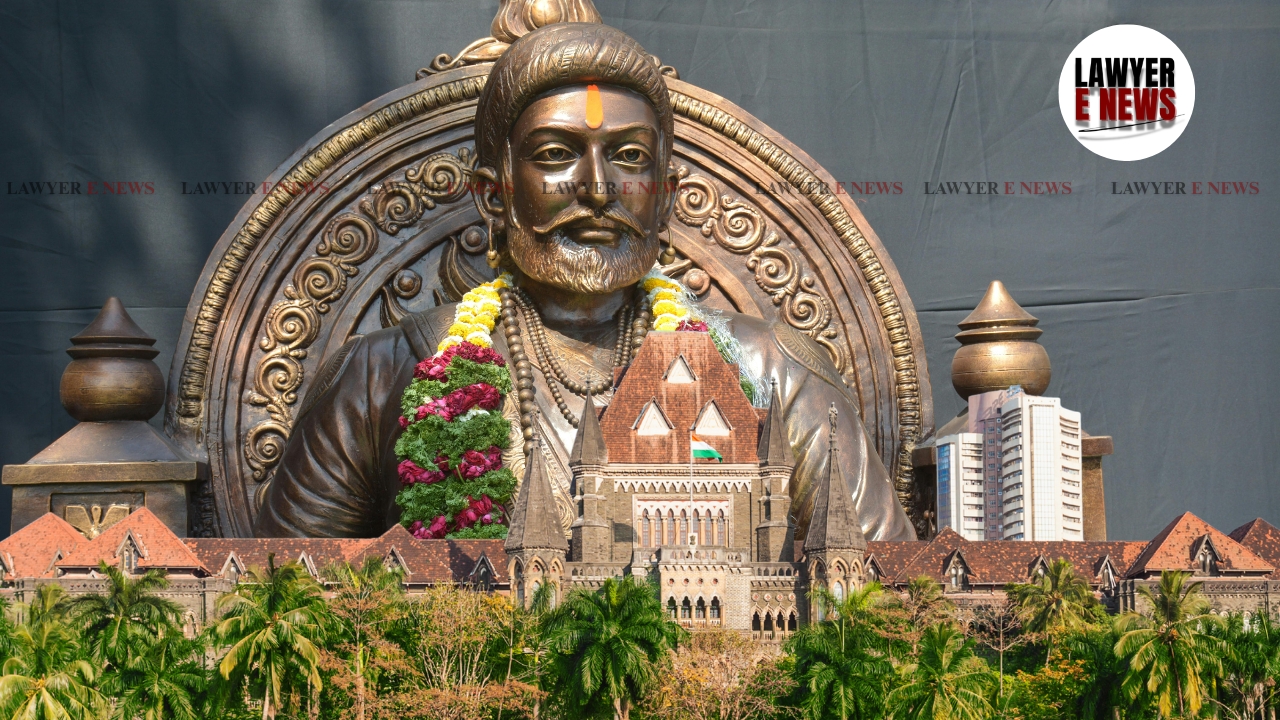
“There Is No Facsimile Copy Made — Mere Resemblance or Similarity Does Not Amount to Copyright Infringement…….No exclusivity can be claimed over names like ‘Shivajiraje Bhosale’ or ‘Chhatrapati Shivaji Maharaj’—these belong to the public consciousness and not to any one party,” held Justice Amit S. Jamsandekar, delivering a detailed refusal of ad-interim relief in a high-stakes copyright and passing off dispute in the Marathi film industry. In a significant order Bombay High Court (Vacation Bench) declined to grant an ad-interim injunction against the release of the Marathi film “Punha Shivajiraje Bhosale”, produced by Defendants including filmmaker Mahesh Manjrekar and Zee Entertainment. The suit was filed by Everest Entertainment LLP, asserting exclusive copyright and goodwill in the 2009 film “Mee Shivajiraje Bhosale Boltoy”.
The Court ruled that no prima facie case of copyright infringement or passing off had been established and rebuked the Plaintiff for an unexplained, strategic delay in seeking equitable relief, thereby tilting the balance of convenience against the grant of any urgent injunctive relief.
“Plaintiff Waited Five Months—A Calculated Move to Pressure the Court and Defendants”
The Court's judgment opened with a clear disapproval of the Plaintiff’s delay in approaching the Court, noting that Everest Entertainment had knowledge of the upcoming release since April 2025, yet filed the suit only on 10 October 2025, just three weeks before the scheduled release of the impugned film.
The Court observed: “Applications for ad-interim relief are heard on an extreme-urgency basis, with preference given to the Applicant over other litigants. The Plaintiff chose to wait for more than five months. This delay has not been explained anywhere in the pleadings... The litigant who adopts a relaxed approach does not deserve any equity.”
Referring to earlier decisions such as Anil Kapoor Films Co. Pvt. Ltd. v. Make My Day Entertainment and Dashrath B. Rathod v. Fox Star Studios, the Court emphasized that such “eleventh-hour applications” should be discouraged and rejected, particularly when delay is deliberate.
No Copyright in Ideas, Themes, or Historical Names — Script, Dialogues and Posters Found Generic
Turning to the merits, the Court dissected each component of Everest Entertainment’s copyright and passing off claim:
Cinematograph Film:
Relying on the precedent in Star India Pvt. Ltd. v. Leo Burnett (India) Pvt. Ltd., the Court clarified that:
“Production by another person of even the same cinematograph film does not constitute infringement… unless a facsimile copy is made. The Defendants have produced their own cinematograph film. The making of another film, even if it resembles the earlier film, is not ‘copying’ under Section 14(d) of the Copyright Act.”
Therefore, the Plaintiff’s claim of copyright infringement in the film itself was rejected.
Script and Literary Work:
Despite asserting rights over the original script, Everest failed to produce the original script. Instead, they relied on a chart of alleged similarities (Exhibit-O3), which the Court found lacking in substance:
“The chart does not compare rival scripts but merely alleges similarities. Even after comparing Exhibit-O3, I find no substantial reproduction of the Plaintiff's literary work.”
Thus, the claim for infringement of literary work was prima facie found to be unsustainable.
Dialogues:
Among the alleged copied dialogues were expressions like “Yaaj Sathi Kela Hota Attahas” and “Marathi Mansala Kana Nahi”. The Court was categorical:
“These are regular and common expressions used in the Marathi language and part of Marathi literature and cinema. They are not the original works of the Plaintiff. Accepting this claim would mean deleting these expressions from the entire Marathi creative ecosystem for the benefit of one litigant.”
The Plaintiff’s claim of copyright in dialogues was explicitly rejected.
Promotional Posters and Fonts:
Everest also claimed that the impugned film’s poster and its use of a particular Marathi font imitated their original promotional materials. The Court found no merit in this claim:
“The font used is a standard Marathi font, and the depiction of Chhatrapati Shivaji Maharaj is generic and commonly known. No exclusivity can be claimed.”
No case of infringement or even passing off was made out regarding the promotional materials.
“No One Can Claim Exclusive Goodwill in the Name of Chhatrapati Shivaji Maharaj”
A core part of Everest's case was the passing off claim based on the goodwill and recognition of their film’s title “Mee Shivajiraje Bhosale Boltoy”. However, the Court firmly rejected the idea that titles or names invoking historical figures could be monopolised:
“I do not have any hesitation in saying that the Plaintiff cannot claim any goodwill or exclusivity in the names ‘Shivajiraje Bhosale’ or ‘Chhatrapati Shivaji Maharaj’... The Plaintiff is not the first film producer to use these names, and they belong to the public at large.”
Moreover, there was no deceptive similarity, no evidence of market confusion, and no public representation by the Defendants that their film was a sequel or franchise of the Plaintiff’s film.
“The Marathi Film Audience Is Well-Informed and Discerning”
The Court further rejected the Plaintiff’s theory of audience confusion, holding that:
“The well-informed and tasteful audience of Marathi films is not going to be confused or deceived… I find it difficult to accept that the audience would consider the impugned film as a sequel to the Plaintiff’s film.”
Accordingly, the classical test for passing off—goodwill, misrepresentation, and likelihood of damage—was not satisfied.
No Case for Urgent Relief, Film Release Allowed
In sum, the Bombay High Court found that the Plaintiff:
Had delayed the suit and motion without justification;
Failed to establish copyright infringement of cinematograph film, script, dialogues, or posters;
Could not claim exclusivity in historical names or common expressions;
Did not demonstrate audience confusion or passing off;
And could not establish a balance of convenience in its favour.
Accordingly, the ad-interim relief was denied, and the film “Punha Shivajiraje Bhosale” is now cleared for release on 31 October 2025.
The matter will now proceed for final hearing in the week commencing 17 November 2025, with Defendants directed to file their replies within two weeks, and the Plaintiff allowed a rejoinder within one week thereafter. Costs have been reserved for final determination.
Date of Decision: 24 October 2025





