-
by sayum
26 August 2026 9:49 AM







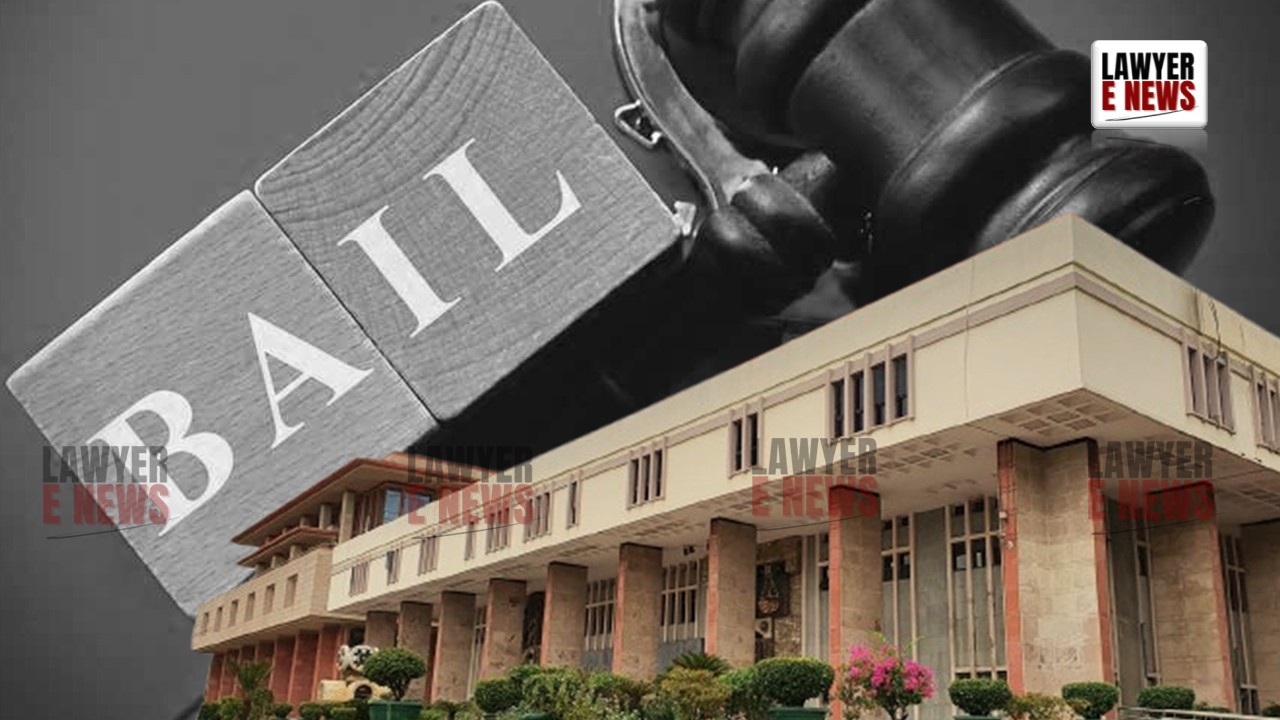
“Presumption of Innocence Ends With Conviction – Suspension of Sentence Requires Stricter Scrutiny”, In a stern refusal to grant post-conviction bail to former MLA Kuldeep Singh Senger, the Delhi High Court rejected his application seeking suspension of sentence in the criminal appeal arising from his conviction for the custodial death of the father of a minor rape survivor. Justice Ravinder Dudeja, while pronouncing judgment in Criminal Appeal No. 539 of 2020, categorically held that “suspension of sentence is not a matter of right, and mere long incarceration cannot be a standalone ground for release.”
The Court emphasized that the appellant's conviction for culpable homicide not amounting to murder (Section 304 Part II IPC), conspiracy, fabrication of evidence, and other serious offences was grounded in detailed trial court findings, and no new or exceptional circumstance had arisen to warrant a fresh look at his sentence.
“Prolonged Incarceration Alone Does Not Warrant Suspension” – High Court Cites Supreme Court Precedents
The judgment arises from Senger’s plea under Section 389 CrPC (read with Sections 430 and 528 of the Bharatiya Nagarik Suraksha Sanhita, 2023), seeking suspension of his 10-year rigorous imprisonment awarded by the trial court on March 13, 2020. The sentence stemmed from the conviction for a deadly assault in April 2018 on Surender Singh, father of the rape survivor, who later died in judicial custody after being falsely implicated under arms charges.
Rejecting the application, the Court noted that the appellant has already undergone approximately 7.5 years of the sentence, but stressed that this “period undergone is relevant but not determinative.” Justice Dudeja held that “when weighed against the gravity of the crime, the continuing threat perception, and the antecedents of the appellant,” this ground alone was insufficient.
Referring to the Supreme Court’s ruling in Shivani Tyagi v. State of U.P. (2024 SCC OnLine SC 842), the Court observed:
“The mere factum of sufferance of incarceration for a particular period... cannot be a reason for invocation of power under Section 389 Cr.P.C. without referring to the relevant factors... Such an interpretation would also go against public interest and social security.”
“Conviction in Rape Case and Political Clout Weigh Heavily Against Suspension”
Justice Dudeja placed particular emphasis on Senger’s antecedents, highlighting that he had already been convicted in a connected case for raping the minor daughter of the deceased victim, and was sentenced to life imprisonment for the remainder of his natural life. This background formed a crucial context, as the victim in the present custodial death case was a key witness in the rape case, making the subsequent assault and false implication a “direct and brutal offshoot” of the earlier crime.
The Court categorically noted that: “The appellant was a central and pivotal figure in the commission of the offence. The assault, and subsequent fabrication of FIR to frame the deceased, were found to be part of a well-orchestrated conspiracy.”
The Court also relied on past directions issued by the Supreme Court in 2019, transferring the trial from Uttar Pradesh to Delhi due to threats to the survivor’s family and ordering CRPF protection. Justice Dudeja held:
“These directions reflect the gravity of the threat perception—a factor that remains relevant even at the stage of deciding suspension of sentence.”
“No New Circumstance Exists – Passage of Time Not Sufficient to Reopen Denied Relief”
The application was a repeat plea for suspension, filed after an earlier detailed rejection by a coordinate bench of the Delhi High Court on June 7, 2024. The Court noted that the grounds raised this time—primarily prolonged incarceration—had already been considered and rejected in the previous order.
Citing the settled principle from Omprakash Sahni v. Jai Shankar Chaudhary (2023) 6 SCC 123, the Court reaffirmed:
“Once conviction is recorded, the presumption of innocence stands dissolved, and principles applicable to pre-trial bail cannot be mechanically applied at post-conviction stage.”
Importantly, the Court found no prima facie error in the conviction or any compelling circumstance since the previous rejection that could justify reconsideration.
Appellate Court Calls for Expeditious Final Hearing Instead of Bail
While expressing awareness of the delay in appeal hearing, Justice Dudeja clarified that such delay was partly due to multiple applications moved by the appellant for bail and its extensions. Instead of granting suspension, the Court directed that the appeal be listed for final hearing before the Roster Bench on 03 February 2026, and emphasized the need for expeditious adjudication on merits.
“In totality of facts and after considering the statutory framework, the judicial principles governing suspension, the antecedents of the appellant and the absence of any new circumstance... this Court finds no ground to grant relief.”
Date of Decision: January 19, 2026